Winter Travel with Pets: Cold Weather Safety Guide 2026
Keep your dog safe during winter travel in 2026. Cold weather risks, frostbite, paw protection, gear picks, and the best pet-friendly winter destinations.

This post may contain affiliate links. Disclosure
There is a certain magic to winter travel with your dog. Watching them bound through fresh snow with unbridled joy, their nose dusted white, their breath puffing in the cold air. Curling up by a cabin fireplace with your cat while snow falls silently outside. Winter travel with pets offers experiences that no other season can match.
But winter also brings unique hazards that responsible pet owners need to prepare for. Frostbite, hypothermia, ice melt chemicals, frozen water sources, and dangerously cold vehicle interiors all pose risks that do not exist during warmer months. The difference between a wonderful winter adventure and a dangerous one often comes down to preparation and knowledge.
This guide covers everything you need for safe, enjoyable winter travel with your pets — from understanding cold weather risks to gear selection, destination recommendations, and specific regulations that vary by location.
Understanding Cold Weather Risks
How Cold Is Too Cold?
There is no single temperature at which all dogs are at risk. Cold tolerance depends on several factors:
Size: Small dogs lose body heat faster than large dogs due to their higher surface-area-to-volume ratio.
Coat type: Double-coated breeds (Huskies, Malamutes, Bernese Mountain Dogs, Newfoundlands) thrive in cold weather. Single-coated breeds (Greyhounds, Vizslas, Chihuahuas, Boxers) and hairless breeds need protection in even mild cold.
Body fat: Lean dogs get cold faster than dogs carrying more body fat.
Age: Puppies and senior dogs have less efficient thermoregulation and need extra protection. See our guide to traveling with a senior dog for age-specific considerations.
Health: Dogs with arthritis, diabetes, heart disease, or hormonal imbalances may be more sensitive to cold than healthy dogs of the same breed.
General guidelines for healthy adult dogs:
| Temperature | Risk Level | Action Required |
|---|---|---|
| Above 45°F (7°C) | Low | Most dogs comfortable |
| 32-45°F (0-7°C) | Moderate | Small and thin-coated dogs need protection |
| 20-32°F (-7 to 0°C) | High | Most dogs need limited outdoor time; coats recommended |
| Below 20°F (-7°C) | Dangerous | All dogs at risk; minimize outdoor exposure |
| Below 0°F (-18°C) | Life-threatening | Outdoor time should be brief and continuously supervised |
According to the American Humane Society, the general rule is: if it’s too cold for you, it’s probably too cold for your pet. When in doubt, keep outdoor sessions short.
Cats and Cold
Cats are generally more cold-sensitive than dogs. Most cats should not be exposed to temperatures below 45°F (7°C) for extended periods. During winter travel, cats should remain in climate-controlled environments — heated vehicles, hotel rooms, and cabins — at all times.
Frostbite
Frostbite occurs when tissue freezes, most commonly affecting ears, tail tips, paw pads, and the scrotum in intact male dogs.
Signs of frostbite:
- Skin appears pale, gray, or blue
- Affected area feels cold and hard to the touch
- Skin may become red and swollen as it begins to thaw
- Blisters may form in the hours after rewarming
- Skin may eventually turn black as tissue dies
First aid for frostbite:
- Move your pet to a warm area immediately
- Warm the affected area gradually with warm (not hot) water at 100-104°F (38-40°C)
- Do NOT rub the affected area — this damages frozen tissue
- Do NOT use a heating pad or hair dryer — risk of burns while sensation is impaired
- Seek veterinary care as soon as possible; frostbite damage is not fully apparent until 24-72 hours later
Hypothermia
Hypothermia occurs when core body temperature drops below normal. Mild hypothermia in dogs begins around 99°F (normal is 101-102.5°F).
Signs of hypothermia:
- Shivering (in early stages; shivering stops as hypothermia worsens — a dangerous sign)
- Lethargy and weakness
- Muscle stiffness
- Slow, shallow breathing
- Confusion and disorientation
- Loss of consciousness
First aid for hypothermia:
- Move to a warm environment immediately
- Wrap in warm (not hot) blankets
- Place warm water bottles wrapped in cloth against the body — never directly on skin
- Monitor temperature with a rectal thermometer every 10 minutes
- Seek veterinary care immediately for any moderate to severe case
 Photo credit on Pexels
Essential Winter Gear for Pets
Dog Coats and Jackets ($20-$80)
When to use: For dogs under 50 pounds, dogs with thin coats, senior dogs, and any dog when temperatures drop below 32°F. Do not shave your dog down to the skin in winter — a longer coat provides meaningful warmth.
What to look for:
- Water-resistant or waterproof outer layer
- Insulated lining (fleece or synthetic fill)
- Reflective elements for visibility in low light (critical in winter when days are short)
- Secure fit that covers chest and belly
- Easy on/off for trail breaks and potty stops
Top picks:
- Ruffwear Powder Hound ($80): Premium insulated jacket with a waterproof shell. Excellent for snow sports and extended cold exposure.
- Kurgo Loft Dog Jacket ($35): Reversible, water-resistant, and affordable. A solid all-around winter coat.
- Canada Pooch Everest Explorer ($60): Heavy-duty winter coat with faux-fur-lined hood. Purpose-built for serious cold.
For a side-by-side comparison of warmth ratings and sizing across a dozen brands, see our best dog winter coats for cold weather travel. For full gear comparisons, see our dog road trip gear checklist.
Dog Booties ($20-$100 per set)
Winter booties serve two functions: protecting paw pads from ice, snow, salt, and deicing chemicals, and providing traction on slippery surfaces where bare paws have zero grip.
What to look for:
- Snug fit that does not slip off during movement
- Water-resistant material with drainage
- Non-slip rubber soles
- Reflective strip or material
Top picks:

- Ruffwear Grip Trex Boots ($80-100 for four): Three-season boots with Vibram rubber soles that work well in moderate winter conditions. For extreme cold, upgrade to the insulated Polar Trex version.
- QUMY Dog Boots ($20): Budget-friendly option with anti-slip soles and adjustable velcro straps. Surprisingly durable for the price.
- Muttluks Fleece Lined ($60): Canadian-designed booties with leather soles and fleece lining.
Bootie training tip: Most dogs resist booties initially. Start indoors with 5-minute sessions using treats and praise. Gradually increase wear time over a week before expecting your dog to walk in them outdoors confidently. For a deeper comparison of fit, insulation, and sole grip across a dozen winter-rated models, check out our best dog booties for hiking and winter 2026.
Paw Protection Without Booties
If your dog refuses booties, protect their paws with:
- Musher’s Secret ($15-$20): A wax-based paw protectant that creates a barrier against ice, salt, and cold. Apply before walks.
- After-walk paw care: Wipe paws with a warm, damp cloth after every winter walk to remove ice, snow, and chemical deicers. Check carefully between toes for ice balls, which form in long-haired breeds and cause pain and frostbite.
According to the ASPCA, massage petroleum jelly or another vet-approved paw protectant into paw pads before going outside to protect from salt and chemical agents. If your dog is licking its paws after walks on treated surfaces, ice melt chemicals are a real ingestion risk.
Other Winter Essentials
- LED collar light or clip-on blinker: Winter days are short. In northern latitudes, sunset can arrive before 4:30 PM. Visibility for both your dog and passing cars is critical. For a full kit of vests, LED collars, and reflective leashes, our best dog reflective gear for night walks covers the top-tested options.
- Heated water bowl ($25-$40): For camping or extended outdoor time, a battery-powered or electric heated bowl prevents water from freezing.
- Emergency mylar blanket: Weighs ounces, folds to wallet size, reflects body heat. Keep one in your first aid kit and one in your car. See our complete pet first aid kit for travel guide.
- Hand warmers: Chemical hand warmers (wrapped in cloth, never placed directly against skin) tucked inside your dog’s coat or bedding provide meaningful supplemental heat during extreme cold.
Winter Road Trip Safety
Vehicle Preparation
Never leave your pet in an unheated car. Just as vehicles become ovens in summer, they become refrigerators in winter. A car’s interior will reach ambient outdoor temperature within 30 minutes of the engine turning off. This is as dangerous as summer heat exposure.
Additional vehicle safety steps:
- Check antifreeze for leaks. Antifreeze (ethylene glycol) has a sweet taste that attracts dogs and cats. Even a small amount is lethal, according to the ASPCA Animal Poison Control Center. Use pet-safe propylene glycol-based antifreeze whenever possible.
- Clear snow from the tailpipe before starting the car. Blocked exhaust can cause carbon monoxide buildup in the cabin within minutes.
- Carry an emergency kit including blankets, hand warmers, extra food, water, and a flashlight in case you are stranded on a winter road.
- Check road conditions before departing using state DOT websites and apps like Weather.com or Waze with winter conditions enabled.
Driving in Winter Conditions
- Secure your pet in a crash-tested crate or crash-tested harness for every drive. Sudden stops on icy roads can throw an unrestrained pet with serious injury. See our best dog car safety gear guide.
- Keep the car warm but not overheated. Dogs in winter coats can overheat in a very warm car — crack a window slightly if needed.
- Plan for weather delays. Winter storms close roads with little warning. Carry extra food, water, and any medications your pet requires for 24-48 hours beyond your planned travel time.
- Update ID tags and microchip records before winter travel. Lost dogs in snow are much harder to track. Consider a GPS tracker to complement your microchip — see our best dog GPS trackers comparison.
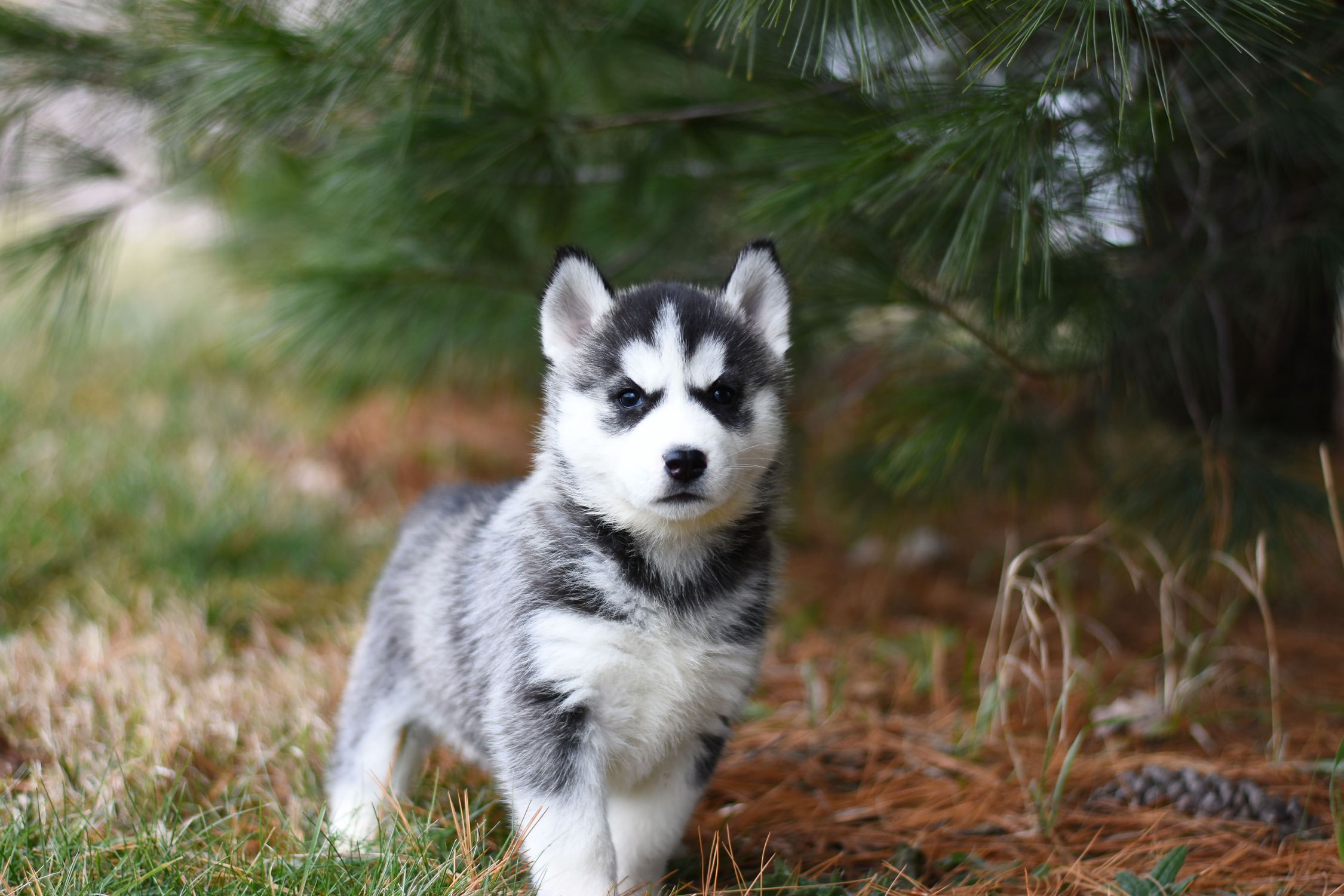 Photo credit on Pexels
Winter Activities With Your Dog
Snowshoeing
Snowshoeing is one of the best winter activities to share with your dog. While you strap on snowshoes, most dogs navigate deep snow without any special equipment, though booties help in crusty or icy conditions.
Tips:
- Start with shorter routes (2-3 miles) and build up to assess your dog’s stamina in snow
- Break trail ahead of smaller dogs who may struggle through deep drifts
- Watch carefully for exhaustion — dogs work significantly harder in snow than on bare ground
- Carry extra water; dehydration is common in cold, dry winter air even when dogs are not visibly panting
Cross-Country Skiing and Skijoring
Many cross-country ski areas allow dogs on specific trails, typically the snowshoe-designated trails rather than the groomed ski corridors. Check the area’s policy before heading out — some areas prohibit dogs entirely, and leash requirements vary.
Skijoring is the sport where a dog in a pulling harness tows a skier on cross-country skis. It requires a dog weighing at least 35 pounds with pulling drive. Many northern US and Canadian areas have dedicated skijoring trails.
Winter Hiking
Winter hiking with your dog can be spectacular, but prepare for:
- Shorter daylight: Start early and always carry a headlamp with fresh batteries
- Varied trail conditions: Ice, packed snow, and drifts require microspikes or crampons for you; booties recommended for your dog on icy sections
- Avalanche risk: In mountainous terrain, check avalanche forecasts at avalanche.org before heading into the backcountry
- Increased caloric needs: Both you and your dog burn significantly more calories in cold weather activity. Pack 20-30% more food than you think you need.
For trail-specific leash regulations and dog-friendly ratings by region, see our dog-friendly hiking trails in America guide.
Snow Play
Some of the best winter dog memories come from simple activities:
- Playing fetch with a brightly colored ball visible in snow (supervise to prevent eating excessive amounts of snow, which can cause GI upset)
- Building a snow maze for your dog to navigate
- Sledding with your dog running alongside — not on the sled
Pet-Friendly Winter Destinations
Mountain Cabin Getaways
- Stowe, Vermont: Classic New England winter village with pet-friendly lodges, snowshoe trails, and the Stowe Recreation Path for winter walks.
- Lake Placid, New York: Former Winter Olympics host with dog-friendly lodging, trails, and the beautiful Mirror Lake loop as a winter walk.
- Breckenridge, Colorado: One of the most dog-friendly ski towns in America. Dogs cannot ride chairlifts, but many surrounding trails are open for snowshoeing, and the town is exceptionally welcoming.
- Lake Tahoe, California/Nevada: Pet-friendly cabins with stunning lake views. Dog-friendly snowshoe trails abound in the surrounding national forests.
- Gatlinburg, Tennessee: Mild winter temperatures, hundreds of pet-friendly cabins, and direct access to Great Smoky Mountains hiking.
For cabin rental recommendations with pet-friendly policies, see our pet-friendly Airbnb guide and pet-friendly hotel chains guide.
Warm Winter Escapes
Not every winter trip needs to involve snow. Many pet owners prefer escaping the cold entirely:
- Sedona, Arizona: Winter temperatures in the 40s-60s°F — perfect for hiking famous red rock trails with your dog.
- San Diego, California: Year-round pleasant weather. Dog Beach remains open in winter with fewer crowds and no summer heat stress.
- Key West, Florida: Warm, walkable, and remarkably cat-friendly. Many hotels welcome pets.
- Savannah, Georgia: Mild winters, beautiful Spanish moss-draped architecture, and a deeply dog-friendly culture throughout the historic district.
Winter-Specific Health Considerations
Salt and Chemical Deicers
Road salt and chemical deicers are ubiquitous in winter and pose multiple risks to pets:
- Paw irritation and chemical burns from walking on treated surfaces
- GI distress from licking paws or eating snow contaminated with deicer chemicals
- Toxicity from certain compounds, particularly calcium chloride and magnesium chloride in large amounts
Prevention:
- Wipe paws with a warm, damp cloth after every walk in treated areas
- Use booties or paw wax in heavily treated urban environments
- Do not allow your dog to eat road-adjacent snow or lick treated pavement
- Use pet-safe ice melt products on your own property (look for urea-based or potassium chloride products)
During pit stops on winter road trips, check parking lots and sidewalks for ice-melting products before letting your dog walk freely. Always ensure ID tags are current and securely attached.
Dry Skin and Cracked Paws
Cold, dry winter air causes skin issues in many dogs:
- Add a humidifier to your hotel room or cabin to improve ambient humidity
- Apply coconut oil or a pet-safe moisturizer to dry noses and cracked paw pads
- Avoid over-bathing in winter — frequent baths strip natural protective oils from the coat
- Consider an omega-3 supplement to support skin and coat health from the inside
Holiday Hazards
If your winter travel coincides with holidays, be aware of seasonal toxic hazards:
- Chocolate and xylitol-containing candy (toxic to dogs; baking chocolate most dangerous)
- Tinsel and ornaments (choking hazard and potential intestinal blockage)
- Poinsettias, holly, and mistletoe (mildly to moderately toxic; cause GI upset)
- Alcohol and rich holiday foods (GI upset and toxicity in dogs)
- Candles and fireplaces (burn risk; particularly dangerous for dogs with active tails near open flames)
For on-the-road health concerns during winter travel, veterinary telemedicine services provide fast triage. See our complete vet telemedicine guide for traveling pet owners for platform comparisons and when to use each service.
Winter Pet Travel Packing List
Warmth and Protection:
- Dog coat or jacket appropriate for expected temperatures
- Dog booties (with one spare set)
- Paw wax
- Extra blankets (one for the car, one for the destination)
- Emergency mylar blanket
Safety:
- LED collar light or reflective collar
- Crash-tested car harness or secured travel crate
- GPS tracker collar or attachment
- Pet first aid kit with winter additions (hand warmers, mylar blanket, rectal thermometer)
- Extra food (20-30% above usual for cold-weather activity demands)
- Portable insulated water bottle (prevents freezing)
Cleanup and Care:
- Paw wipes or warm washcloths for after-walk deicing
- Microfiber towels for drying wet dogs after snow play
- Dry shampoo for between-bath freshening
- Nose and paw moisturizer
Comfort:
- Familiar bed or blanket from home (scent continuity reduces anxiety in new environments)
- Elevated dog bed to keep your dog off cold cabin or hotel floors
- Long-lasting chews for cabin or hotel downtime
- Favorite toys
For a complete packing approach, see our dog road trip gear checklist and managing pet travel anxiety guide.
Winter travel with pets requires more preparation than warm-weather adventures, but the rewards are extraordinary. There is nothing quite like watching your dog race through a snowy field, or feeling your cat curl up in your lap beside a crackling cabin fire while the world outside turns white and still.
Bundle up, pack smart, and embrace the season. Winter is calling, and your pet is ready to answer.
Related Reading
Get the best Pawventures tips in your inbox
Weekly guides, deals, and insider tips. No spam, unsubscribe anytime.