Traveling With Multiple Dogs: The Complete 2026 Guide
Plan the perfect multi-dog trip in 2026. Vehicle setup, airline rules, hotel fees, pack dynamics, harness systems, and real costs for two or more dogs.

This post may contain affiliate links. Disclosure
Traveling with one dog already requires significant planning and logistics. Doing it with two, three, or more dogs is a whole different category of challenge — and reward. Multi-dog households are more common than ever, with the American Pet Products Association reporting that approximately 38% of dog-owning households have more than one dog. Despite this, most travel advice is written for single-dog trips. This guide is specifically built for multi-dog families who want to explore the world together without leaving any pup behind. We cover everything from vehicle setup and airline rules to hotel policies, harness systems, logistics, and the real emotional dynamics of traveling with a canine pack.
Part 1: Planning Your Multi-Dog Trip
Start With an Honest Assessment of Each Dog
Before booking anything, assess each dog individually for travel readiness. A dog that travels well solo may struggle in a new environment alongside a sibling who is anxious or reactive. Consider the following for each dog:
- Current health status (vet check within 30 days of departure recommended)
- History of travel anxiety or motion sickness
- Socialization level and reactivity to strangers, other animals, or new environments
- Size, age, and physical limitations
- Vaccination and documentation status
The AKC recommends that any dog with a history of severe travel anxiety be evaluated by a veterinarian before any multi-day trip. A dog who disrupts the pack’s emotional stability can make the entire journey harder for every animal involved.
If one of your dogs is a senior, review our guide to traveling with a senior dog for the additional vet clearances and comfort accommodations aging dogs require. If one is reactive, the reactive dog travel guide covers trigger management and destination selection strategies that apply equally in a multi-dog context.
Key Takeaway: Traveling with multiple dogs multiplies both the logistics and the potential for stress — for you and for them. Honest pre-trip assessment prevents most problems before they start.
Build a Master Trip Spreadsheet
For multi-dog families, a simple checklist is not sufficient. Create a spreadsheet that tracks, for each dog: health records, vaccination dates, microchip number, current medications, feeding schedule, and emergency vet contacts at each destination. When something goes wrong on the road — and occasionally it will — having this information instantly accessible can save a life.
Pair your spreadsheet with a comprehensive pet travel documents checklist to make sure no certification or ID requirement slips through the cracks before departure.
Part 2: Car Travel With Multiple Dogs
Vehicle Selection and Configuration
The single most important factor in successful multi-dog road trips is having the right vehicle. For two medium dogs, a compact SUV may be sufficient. For three or more large dogs, a full-size SUV or minivan becomes necessary. The goal is to give each dog enough space to lie flat and turn around comfortably during long drives.
Recommended vehicle configurations for multiple dogs:
| Dog Count | Vehicle Type | Best Setup |
|---|---|---|
| 2 small dogs | Compact SUV | Shared rear seat with divider |
| 2 medium dogs | Midsize SUV | Rear cargo area with soft crate |
| 2 large dogs | Full-size SUV | Rear cargo area, both crated |
| 3+ dogs | Minivan or full-size SUV | Individual crates, all secured |
Never allow multiple dogs to ride loose together in a vehicle. Even bonded dogs can panic during sudden stops or minor accidents, creating dangerous situations. The Center for Pet Safety recommends crash-tested restraint systems for all dogs in moving vehicles. For side-by-side testing of the top harnesses across breed sizes, see our best dog car harnesses and seat belts.
For a deep-dive into every safety harness, crate, and restraint option by size and breed, our best dog car safety gear guide is the definitive resource.
The Best Harness and Restraint Systems for Multiple Dogs
Sleepypod Clickit Sport Plus ($89): Consistently earns top marks in crash-test simulations and fits dogs 6-110 lbs. The 3-point harness design distributes impact forces away from the neck and spine. Excellent for dogs riding on rear seats.
Kurgo Enhanced Tru-Fit Harness ($45): A budget-friendly crash-tested option that works well for medium dogs. Connects to standard seatbelt buckles without additional adapters.
Ruffwear Load Up Harness ($89): Designed specifically for vehicle travel, the Load Up uses a reinforced webbing system and has been third-party crash tested. Ideal for active, larger breeds.
For dogs riding in the cargo area of an SUV, a crate secured with cargo straps is the safest option. The Gunner Kennel G1 ($450-$650) is the gold standard for crash safety and is used by professional handlers, but at a premium price point. The Impact Dog Crate ($350-$500) offers similar protection at a slightly lower cost.
Explore our best dog travel crates guide for 2026 to compare all top-rated options side-by-side, including sizing charts for multi-dog households.
Pro Tip: Position more anxious dogs next to more confident ones in the vehicle. Canine emotional contagion is real — a calm packmate can significantly reduce travel anxiety in a nervous dog.
Feeding and Hydration on Multi-Dog Road Trips
Feed all dogs at least 2 hours before departure and maintain regular feeding schedules on the road. For multi-dog households, mark bowls clearly and feed dogs separately to prevent resource guarding. Collapsible silicone bowls (the Ruffwear Quencher at $20 is excellent) work well in vehicles and pack flat.
Plan rest stops every 2 hours minimum when traveling with multiple dogs. Each dog should have a chance to eliminate, drink, and move around during each stop. Designate a consistent rest-stop routine — same order, same leash handler if possible — to reduce chaos.
Part 3: Air Travel With Multiple Dogs
Airline Rules for Traveling With 2+ Dogs
Air travel with multiple dogs is significantly more complex than solo dog flying, and the rules vary considerably by airline. The core challenge: most major airlines limit passengers to one pet carrier in-cabin per traveler. Traveling with two dogs in-cabin requires two adult passengers, each with their own carrier and ticket — and each carrier must meet the airline’s specific size and weight requirements.
2026 In-Cabin Pet Policies for Multiple Dogs:
| Airline | In-Cabin Limit | Carrier Size (max) | In-Cabin Fee |
|---|---|---|---|
| Delta | 1 per passenger (4 pets total per cabin) | 18”x11”x11” | $125/way |
| United | 1 per passenger | 17.5”x12”x7.5” | $125/way |
| American | 1 per passenger | 19”x13”x9” | $125/way |
| Southwest | 1 per passenger | 18.5”x13.5”x8.5” | $125/way |
| Alaska | Up to 2 same-species pets per carrier (small pets only) | 17”x11”x9.5” | $100/way |
For dogs that exceed in-cabin size limits, cargo travel (as accompanied baggage or manifest cargo) becomes necessary. However, traveling with multiple large dogs as cargo means navigating embargoes during summer and winter temperature extremes, breed restrictions, and the emotional difficulty of having your dogs travel in the cargo hold. Review our flying a dog in cargo guide before booking any cargo placement.
Vet Tip: The ASPCA and most veterinary behavioral specialists strongly advise against cargo travel for dogs unless absolutely necessary. If you have multiple large dogs, strongly consider driving, chartering a flight, or using a specialty pet airline.
Charter Flights and Pet-Friendly Airlines for Multi-Dog Families
For multi-dog families with larger dogs who want to fly, charter and specialty pet airline options have expanded significantly in 2026. BARK Air operates dedicated pet-friendly charter flights where dogs ride in the cabin with their owners — no carrier size restrictions, no cargo holds. Pricing starts at approximately $6,000 per flight segment for a family with multiple dogs, but for the right traveler, the safety and comfort premium is worth it.
For destinations reachable within a day’s drive, ground transport almost always wins for multi-dog families on both logistics and animal welfare grounds.
Part 4: Hotel and Accommodation Policies
How Hotel Pet Policies Work for Multiple Dogs
The majority of pet-friendly hotels charge per pet, not per room. This fee structure, combined with per-night rates, makes accommodation one of the largest variable costs for multi-dog travel. Understanding the fee landscape before you book saves significant money.
Typical Multi-Dog Hotel Fee Structures (2026):
| Chain | Per-Night Fee | Per-Pet Fee | Weight/Count Limits |
|---|---|---|---|
| Kimpton Hotels | $0 | $0 | No weight limit, flexible count |
| La Quinta | $0 | $0 per pet | 2 pets max, 25 lb limit/pet |
| Loews Hotels | $25/night | Per stay | Up to 2 pets, 50 lb limit |
| Hyatt Place | $75/stay flat | — | Up to 2 pets |
| Marriott (select) | $100/stay | — | 2 pets, 40 lb limit |
Kimpton Hotels remains the gold standard for multi-dog families — no pet fees, no weight limits, and a genuinely dog-welcoming culture with water bowls and treats in lobbies. Book directly through the Kimpton website to ensure pet accommodation details are noted on your reservation.
For a comprehensive breakdown of all major chain policies, our pet-friendly hotel chains guide is regularly updated with verified 2026 rates and policies.
Vacation Rentals vs. Hotels for Multi-Dog Families
For families with three or more dogs, or with large breeds, vacation rentals on Vrbo or our pet-friendly Airbnb guide often provide better value and more comfort than hotels. Look specifically for properties that list “fenced yard,” “pet-friendly,” and “no pet fee” — these exist and they save money on long trips. Always message hosts directly to confirm your dog count and sizes before booking, as many listings have dog limits not prominently displayed.
Part 5: Managing Pack Dynamics on the Road
Preventing Resource Guarding and Conflict
Travel creates mild stress for most dogs, and stress can amplify resource guarding behaviors. Feed all dogs separately — even dogs that normally eat together without incident. Pick up food bowls immediately after meals. In hotel rooms, give each dog their own bed or sleeping area. Avoid leaving multiple dogs unsupervised in an unfamiliar space, even briefly.
Bring each dog’s specific comfort items from home: their own blanket, their own toy, their own chew. Familiar scents are powerful anxiolytics for dogs in new environments. This is especially important for the most anxious or lowest-status dog in a multi-dog household.
For any dog showing significant travel anxiety, review managing pet travel anxiety for evidence-based strategies and calming aid comparisons.
Maintaining Individual Attention and Exercise
When traveling with a pack, it is easy to treat all the dogs as a single unit and neglect individual attention. Make a point of spending 5-10 minutes of one-on-one time with each dog daily — even if it is just a short solo walk or a play session. This reduces competitive anxiety between pack members and gives you a chance to assess each dog’s stress levels individually.
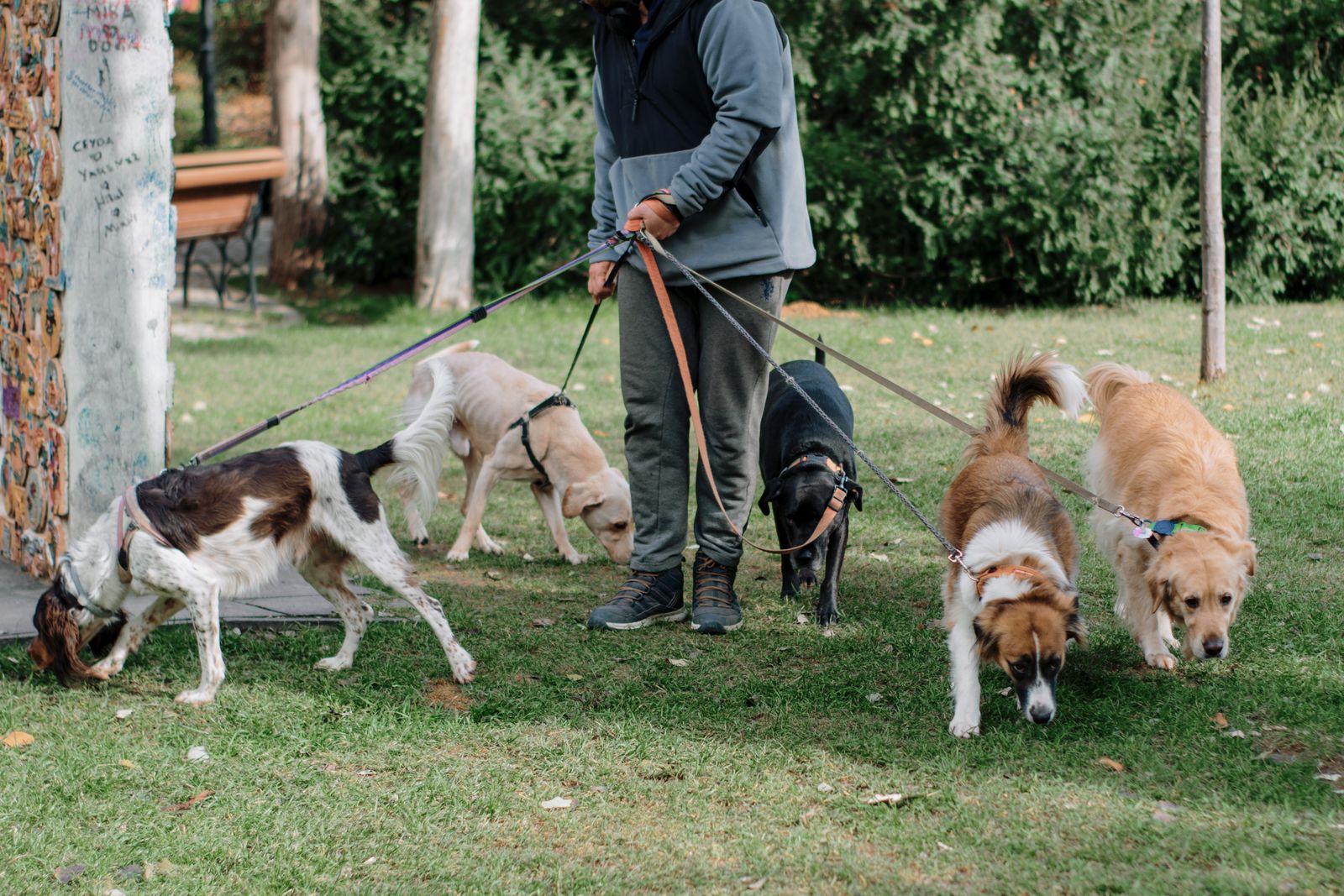
For exercise, multi-dog group walks work well in low-distraction environments like state parks or quiet beaches. In busier urban environments, walking dogs individually or in pairs reduces chaos and makes the experience safer for everyone. Our dog-friendly hiking trails in America guide includes trail ratings for multi-dog suitability.
Part 6: Health and Emergency Planning
Veterinary Preparation for Multi-Dog Travel
Schedule a pre-travel vet appointment for all dogs at the same time. Get each dog’s health certificate if required (domestic travel does not require them, but international travel does — see our international pet travel checklist for complete requirements). Ensure all vaccinations are current — especially rabies, DHPP, and Bordetella for dogs who will encounter other dogs at trailheads, parks, and boarding facilities.
Carry a printed and digital copy of each dog’s full medical history including vaccination records, current medications with dosages, and your home vet’s contact information. Store this in a shared cloud folder accessible from your phone.
Building a Multi-Dog First Aid Kit
A single first aid kit is not sufficient for multiple dogs. Scale your kit contents accordingly:
- Bandaging materials proportional to pack size
- Separate labeled containers for each dog’s medications
- Extra syringes and measuring tools for liquid medications
- Emergency muzzle sized for each dog (injured dogs may bite)
- Styptic powder for nail injuries
- Digital thermometer
- Contact for ASPCA Animal Poison Control: (888) 426-4435
Key Takeaway: The ASPCA Animal Poison Control Center (888-426-4435) charges a consultation fee but provides 24/7 access to veterinary toxicologists. Save this number in every dog owner’s phone before you leave home.
For a complete kit guide, see our pet first aid kit for travel article.
Part 7: Real Costs of Multi-Dog Travel
Traveling with multiple dogs multiplies most costs linearly. Here is a realistic cost snapshot for a 5-day road trip with two dogs:
| Expense | Single Dog | Two Dogs |
|---|---|---|
| Hotel pet fee (5 nights) | $100-$200 | $200-$400 |
| Food | $30 | $60 |
| Treats and enrichment | $20 | $35 |
| Emergency vet fund | $300 | $500 |
| Gear (amortized) | $50 | $80 |
| Total estimate | $500-$600 | $875-$1,075 |
Budget an additional 20-30% buffer over your single-dog travel budget when adding each additional dog. Some costs (like gas, accommodation base rate) do not scale linearly, but most per-animal costs do. For a full financial breakdown of what pet travel actually costs, our real cost of traveling with a dog in 2026 article covers everything including hidden fees that catch most travelers by surprise.
Pet travel insurance becomes even more essential with multiple dogs. One unexpected emergency vet visit can eclipse the entire trip budget. Our pet travel insurance guide covers the best multi-pet policies available in 2026 with honest analysis of coverage limits.
Final Thoughts
Traveling with multiple dogs is an entirely different experience from solo-dog travel — more complicated, more expensive, more logistically demanding, and honestly, more rewarding when it all works. A pack of dogs experiencing the world together creates a kind of joy that is hard to put into words. With thorough planning, appropriate gear, the right vehicle, and flexible accommodation strategies, multi-dog family travel is not just possible — it becomes one of the most memorable ways to see the world. Start with a well-planned road trip, learn your pack’s travel dynamics, and build from there.
Use a GPS tracker for each dog while traveling — losing even one dog in an unfamiliar area during a multi-dog trip is every owner’s nightmare, and modern GPS collars give you real-time location on your phone.
Pawventures is committed to helping every member of your family travel well, whether you are traveling with one dog or five.
You Might Also Like
Get the best Pawventures tips in your inbox
Weekly guides, deals, and insider tips. No spam, unsubscribe anytime.