Flying with Brachycephalic Dogs 2026: Breed Bans, BARK Air & Approved Carriers
Which airlines still allow French Bulldogs and Pugs in 2026? Breed-specific cabin vs cargo rules, BARK Air as an alternative, and approved soft-sided carrier dimensions.
This post may contain affiliate links. Disclosure
Looking for the full brachycephalic safety picture? Our complete brachycephalic dog travel safety guide covers BOAS physiology, heat risks, road trip preparation, and vet prep for all travel modes. This article focuses specifically on the airline question: which carriers allow your breed, what BARK Air offers flat-faced breeds, and what carrier dimensions get approved.
Updated for 2026: Airline breed restrictions, veterinary guidelines, and travel safety recommendations verified for the current year.
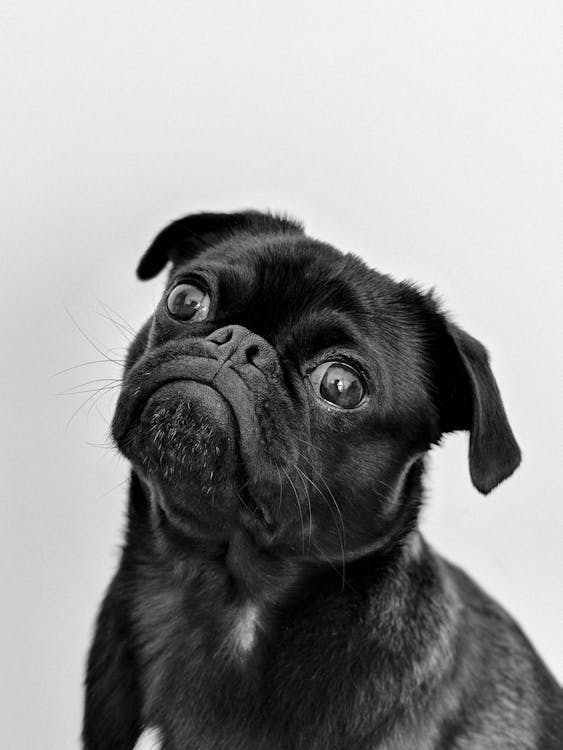
Brachycephalic dogs — the flat-faced, snub-nosed breeds that include French Bulldogs, English Bulldogs, Pugs, Boston Terriers, Shih Tzus, Pekingese, Cavalier King Charles Spaniels, and Boxers — are among the most popular companion dogs in the country. They are also the most medically vulnerable travelers.
The anatomy that makes these breeds distinctive — shortened skulls, compressed nasal passages, elongated soft palates, narrowed tracheas — directly compromises their ability to regulate body temperature, breathe efficiently under stress, and cope with the environmental challenges that travel introduces. This is not a theoretical risk. Brachycephalic breeds account for a disproportionate number of in-flight pet deaths and veterinary emergencies during travel.
This guide is not meant to discourage you from traveling with your brachycephalic dog. It is meant to ensure that when you do travel, you understand the specific risks and take the precautions that keep your dog alive and comfortable.
Understanding the Medical Reality
Brachycephalic Obstructive Airway Syndrome (BOAS)
Most brachycephalic dogs have some degree of BOAS — a condition caused by their shortened skull anatomy that includes one or more of:
- Stenotic nares — Narrowed nostrils that restrict airflow
- Elongated soft palate — The tissue at the back of the throat is too long for the shortened skull, partially blocking the airway
- Hypoplastic trachea — A trachea (windpipe) that is narrower than normal for the dog’s body size
- Everted laryngeal saccules — Tissue near the larynx that gets sucked into the airway during labored breathing
The severity varies dramatically between individual dogs, even within the same breed. Some Pugs breathe quietly and handle heat reasonably well. Others snore while awake and overheat on a 75-degree walk. Your individual dog’s breathing capacity is the single most important factor in determining what travel is safe for them.
The American Veterinary Medical Association (AVMA) recommends that owners of brachycephalic breeds consult with their veterinarian before any air travel, and that dogs with known BOAS be carefully evaluated for fitness to fly.
Why Travel Is Specifically Dangerous
Normal dogs regulate body temperature primarily through panting — rapid breathing that evaporates moisture from the tongue and respiratory tract. Brachycephalic dogs are less efficient at panting because their compromised airways cannot move air as quickly. This creates a dangerous feedback loop during travel:
- Stress or heat causes the dog to pant harder
- Compromised airways cannot move enough air to cool effectively
- Body temperature rises
- The dog pants even harder, further exhausting itself
- The airway tissues swell from exertion, further restricting airflow
- Respiratory distress and heat stroke can follow rapidly
This cascade can happen in a car, at an airport, in a cargo hold, or on a hot sidewalk. Understanding it is the foundation of safe travel with a brachycephalic dog.
Airline Restrictions for Brachycephalic Breeds
Airlines have responded to the documented risk with breed-specific restrictions:
Cargo Hold Restrictions
Most major airlines prohibit brachycephalic breeds from traveling as checked baggage or cargo:
American Airlines — Does not allow any brachycephalic dogs or cats (including mixes) to travel as checked pets or as cargo. This is a complete ban on cargo travel for snub-nosed breeds.
United Airlines — Temporarily suspended its PetSafe cargo program and has not reinstated it for brachycephalic breeds.
Delta Air Lines — Restricts cargo transport of brachycephalic breeds during warm months and imposes additional requirements year-round.
Air France — Prohibits snub-nosed dogs and cats in the hold entirely.
Lufthansa — Allows brachycephalic breeds via cargo only if temperatures at both origin and destination airports are below 80°F (27°C). Requires a veterinary fitness-to-fly certificate.
Turkish Airlines — Similar to Lufthansa, allows brachycephalic breeds in larger crates under temperature restrictions.
In-Cabin Travel
Airlines are generally more accommodating for brachycephalic breeds traveling in the cabin, provided the dog fits in an approved carrier under the seat. This is good news for smaller brachycephalic breeds (French Bulldogs, Pugs, Boston Terriers, Shih Tzus) but does not help larger breeds (English Bulldogs, Boxers).
In-cabin travel keeps your dog in the climate-controlled passenger cabin where you can monitor their condition throughout the flight. For small brachycephalic breeds, this is by far the safest air travel option.
2026 Developments
Italy’s ENAC updated its air travel guidelines, raising the in-cabin weight ceiling to 30 kg (66 lbs) on many domestic Italian flights. This is a significant change for larger brachycephalic breeds that previously could not fly in-cabin. It remains to be seen whether other countries will follow.
The International Pet and Animal Transportation Association (IPATA) has developed a Brachycephalic Fit-to-Fly Assessment that evaluates individual dogs rather than applying blanket breed bans. Dogs identified as having true BOAS (as opposed to mild brachycephalic features) are never cleared for cargo travel under this assessment.
For a complete airline-by-airline breakdown, see our airline pet policies guide and our detailed brachycephalic travel safety guide.
Pre-Travel Veterinary Assessment
Before any significant travel with a brachycephalic dog, schedule a specific travel-assessment appointment with your veterinarian. This is not a standard wellness check — it is a focused evaluation of your dog’s fitness for the specific type of travel you are planning.
What the Vet Should Evaluate
Breathing assessment at rest — Is there audible stertor (snoring-like sounds while awake)? How much effort does the dog use to breathe at rest?
Breathing under mild exertion — After a brief walk or play session, how quickly does the dog recover normal breathing? Dogs that take more than 5 minutes to recover from mild exercise are at higher risk during travel.
Nostril openness — How stenotic (narrowed) are the nares? Severely stenotic nares significantly increase respiratory risk.
Weight — Overweight brachycephalic dogs have substantially higher risk. Extra weight compresses the already-compromised airway and generates more body heat. If your dog is overweight, weight loss before travel is one of the most impactful safety measures you can take.
Temperature tolerance — Has the dog shown signs of heat intolerance (excessive panting, cyanosis, collapse) at normal ambient temperatures?
Previous respiratory episodes — Any history of respiratory distress, reverse sneezing episodes, or heat stroke.
Surgical Considerations
If your vet identifies significant BOAS, corrective surgery (widening the nares, trimming the elongated soft palate) can dramatically improve your dog’s breathing and travel safety. These procedures are ideally done months before planned travel to allow full recovery. Discuss this option with a veterinary surgeon who has experience with brachycephalic airways.
Safe Car Travel for Brachycephalic Dogs
Car travel is generally safer than air travel for brachycephalic breeds because you control the environment. But risks still exist.
Temperature Management
This is the single most critical factor:
- Never leave a brachycephalic dog in a car — Even briefly, even with windows cracked, even on a mild day. The interior of a car can reach lethal temperatures within minutes. This applies to all dogs, but brachycephalic dogs reach danger faster.
- Run the air conditioning before loading your dog — Start cooling the car 5-10 minutes before your dog gets in. A hot car interior can trigger respiratory distress immediately.
- Maintain cool cabin temperature — Keep the rear of the car cool. Rear vents help; a clip-on car fan directed at your dog’s crate or seat area provides additional airflow.
- Monitor rear temperature — The back seat is often warmer than the front. Use a simple thermometer to verify the temperature your dog is experiencing.
Crate vs. Harness
For brachycephalic breeds, a well-ventilated travel crate is often preferable to a harness, provided:
- The crate has excellent ventilation on all sides (not a solid-walled crate)
- The crate is sized appropriately — large enough for the dog to turn around and lie down
- The crate is positioned where air conditioning reaches effectively
- A cooling mat is placed inside the crate
A harness secured to the seatbelt is an alternative, but ensures the dog is positioned near an air vent.
Road Trip Planning
- Plan frequent stops — Every 1-2 hours, stop in a shaded area. Let your dog out briefly for water and bathroom needs, but keep stops short if it is warm outside.
- Carry cooling equipment — A portable fan, cooling mat, and ice packs can be lifesaving if your car air conditioning fails.
- Travel during cool hours — Start early morning or late evening drives to minimize heat exposure during midday stops.
- Have water accessible — A spill-proof water bowl should be available throughout the drive. Dehydration accelerates overheating.
Destination Selection for Brachycephalic Dogs
Where you take your brachycephalic dog matters as much as how you get there.
Climate Considerations
Safe destinations:
- Coastal areas with marine influence (San Francisco, the Pacific Northwest, coastal New England)
- Mountain destinations at elevation (Asheville, Lake Tahoe in fall, Colorado mountain towns)
- Destinations during their cool season (Florida in winter, Arizona in November-March)
Risky destinations:
- Hot, humid climates (Southeast U.S. in summer, tropical destinations year-round)
- Desert destinations during warm months (the Southwest from May through September)
- High-altitude destinations (altitude compounds breathing difficulties)
Activity Planning
Brachycephalic dogs cannot do what many other breeds can do comfortably:
- Hiking — Limit to short, flat trails during cool conditions. Carry water and take frequent breaks. Watch for labored breathing and stop immediately if your dog shows distress. Our hiking boots guide includes considerations for less active breeds.
- Beach days — Early morning only during warm months. Provide shade throughout. Watch for signs of overheating. Some brachycephalic dogs struggle with swimming due to their body proportions — never let them swim unsupervised.
- City walks — Pavement radiates heat upward, right at the level of a short dog’s face. Check surface temperature with your hand before walking, and keep walks short during warm weather.
Accommodation Features to Prioritize
- Air conditioning (non-negotiable in warm climates)
- First-floor rooms (avoiding stairs and heat accumulation on upper floors)
- Proximity to green space for short exercise sessions
- Access to shade for outdoor time
- Proximity to veterinary emergency services
Emergency Preparedness
Recognizing Respiratory Distress
Know the warning signs that your brachycephalic dog is in trouble:
Early warning signs:
- Louder than usual breathing or snoring
- Excessive panting that does not resolve with rest
- Restlessness or inability to settle
- Drooling more than normal
- Gagging or retching
Emergency signs (act immediately):
- Blue or purple tongue or gums (cyanosis)
- Collapse or inability to stand
- Breathing with mouth wide open and neck extended
- Loss of consciousness
- Frantic, uncontrollable panting
Emergency Response
If your brachycephalic dog shows signs of respiratory distress or heat stroke:
- Move to a cool environment immediately — Air-conditioned car, shade, any cool space
- Apply cool (not cold) water to the groin, armpits, and paw pads — Cold water causes blood vessels to constrict, trapping heat internally
- Offer small amounts of water — Do not force water into a distressed dog’s mouth
- Create airflow — Fan the dog, open car windows, maximize air movement
- Get to a veterinarian immediately — Heat stroke and respiratory distress are emergencies. Call ahead so they are prepared when you arrive.
- Continue cooling during transport — Keep the car air conditioning on maximum and apply wet towels
Travel Emergency Kit for Brachycephalic Dogs
- Portable fan (battery-operated)
- Cooling mat or towels
- Instant cold packs
- Rectal thermometer (normal dog temperature: 101-102.5°F; above 104°F is an emergency)
- Bottled water and collapsible bowl
- Veterinary emergency contacts for your destination (research before the trip)
- Pet travel insurance information
Alternative Travel Options
Pet-Friendly Airlines for Brachycephalic Breeds
Bark Air and similar pet-focused charter services are designed specifically for dogs, including brachycephalic breeds. The cabin environment is controlled for pets (cooler temperatures, reduced stress), and veterinary staff may be available. Costs are significantly higher than commercial flights but eliminate most of the safety concerns.
Ground Transport
Professional pet ground transport services move dogs between cities via temperature-controlled vehicles with trained handlers. Companies like CitizenShipper connect pet owners with vetted ground transporters. This is a good option for brachycephalic breeds that cannot fly cargo.
Road Trips
For many brachycephalic dog owners, road trips are the safest and most practical travel option. You control the temperature, can stop as needed, and your dog is never out of your sight. Our Pacific Coast Highway road trip guide is an excellent starting point for planning a scenic drive that works for a brachycephalic companion.
Breed-Specific Travel Considerations
French Bulldogs
The most popular brachycephalic breed in America and one of the most restricted for air travel. Most Frenchies fit in an in-cabin carrier (under 28 lbs typically). Their compact size is an advantage for travel, but their breathing can be severely compromised. BOAS surgery has become increasingly common in the breed.
English Bulldogs
Too large for in-cabin travel, too restricted for cargo. English Bulldogs are among the most challenging breeds to fly with. Ground transport or road trips are usually the only viable options. Their extreme brachycephaly and tendency toward overweight make heat management critical.
Pugs
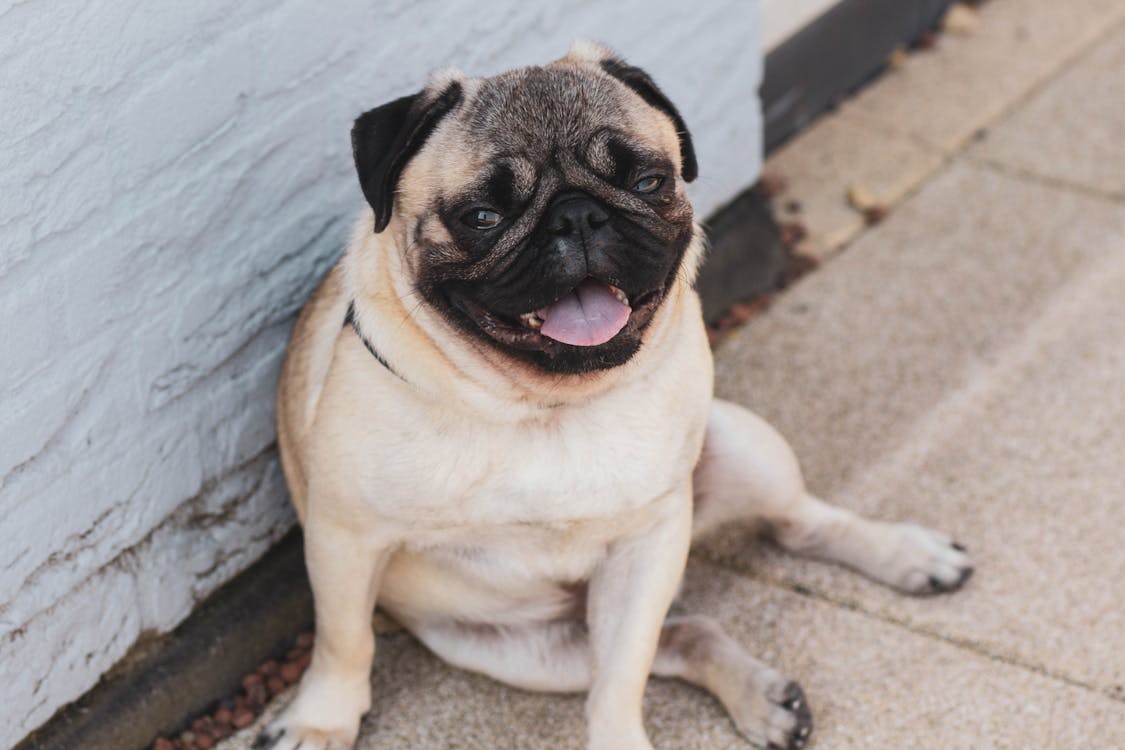
Similar to French Bulldogs in size (in-cabin travel is usually possible) but with their own breathing challenges. Pugs are somewhat more heat-tolerant than Frenchies or English Bulldogs but still require careful temperature management.
Boston Terriers
Generally the most travel-tolerant of the common brachycephalic breeds. Their slightly longer muzzles (compared to Pugs and Bulldogs) provide somewhat better airflow. Most Bostons fit in in-cabin carriers. Still require heat precautions but can handle moderate activity better than more extreme brachycephalic breeds.
Boxers
Too large for in-cabin travel, but their moderate brachycephaly (less extreme than Bulldogs) makes them better candidates for cargo travel in cool conditions. Still restricted by many airlines.
Making It Work
Traveling with a brachycephalic dog requires more planning, more monitoring, and more caution than traveling with a dog that can breathe efficiently. But it is not impossible, and millions of brachycephalic dog owners travel successfully every year.
The keys are honest assessment (is your individual dog’s breathing capacity adequate for the planned trip?), appropriate planning (climate, transportation mode, emergency preparedness), and the willingness to modify or cancel plans if conditions are not safe.
Your dog’s anatomy is not something you can change (short of corrective surgery). What you can change is the environment you put them in. Choose cool destinations, drive instead of fly when possible, carry cooling equipment, know the emergency signs, and never prioritize the trip over your dog’s safety.
The ASPCA’s heat safety guidelines provide additional warm-weather precautions that are particularly relevant for brachycephalic breeds.
For additional travel safety resources, see our pet first aid guide and our vet-recommended anxiety medication guide for managing travel stress in brachycephalic breeds.
Get the best Pawventures tips in your inbox
Weekly guides, deals, and insider tips. No spam, unsubscribe anytime.