Pet Travel Insurance Guide: Best Coverage for 2026
Compare the best pet travel insurance providers for 2026. Understand what's covered, what's not, real emergency costs, and how to file a claim while away from home.

This post may contain affiliate links. Disclosure
You have booked the flights, reserved the pet-friendly hotel, packed the travel crate, and mapped out every dog park within ten miles of your destination. Your planning is thorough. But what happens if your dog eats something toxic at a rest stop in an unfamiliar state? Or your cat has a medical emergency 2,000 miles from your regular vet? Or a family crisis forces you to cancel and you have already paid non-refundable boarding fees?
Pet travel insurance exists to answer these questions. In 2026, the options for protecting your traveling pet are better and more affordable than ever — yet most pet owners either don’t know these products exist or are confused about what they actually cover. This guide breaks down everything you need: coverage types, top 2026 providers, what is specifically excluded, and exactly how to file a claim while away from home.
Understanding the Types of Pet Travel Coverage
The phrase “pet travel insurance” actually covers several distinct product categories. Getting this distinction right is the foundation of choosing the right policy.
1. Pet Health Insurance with Travel Coverage
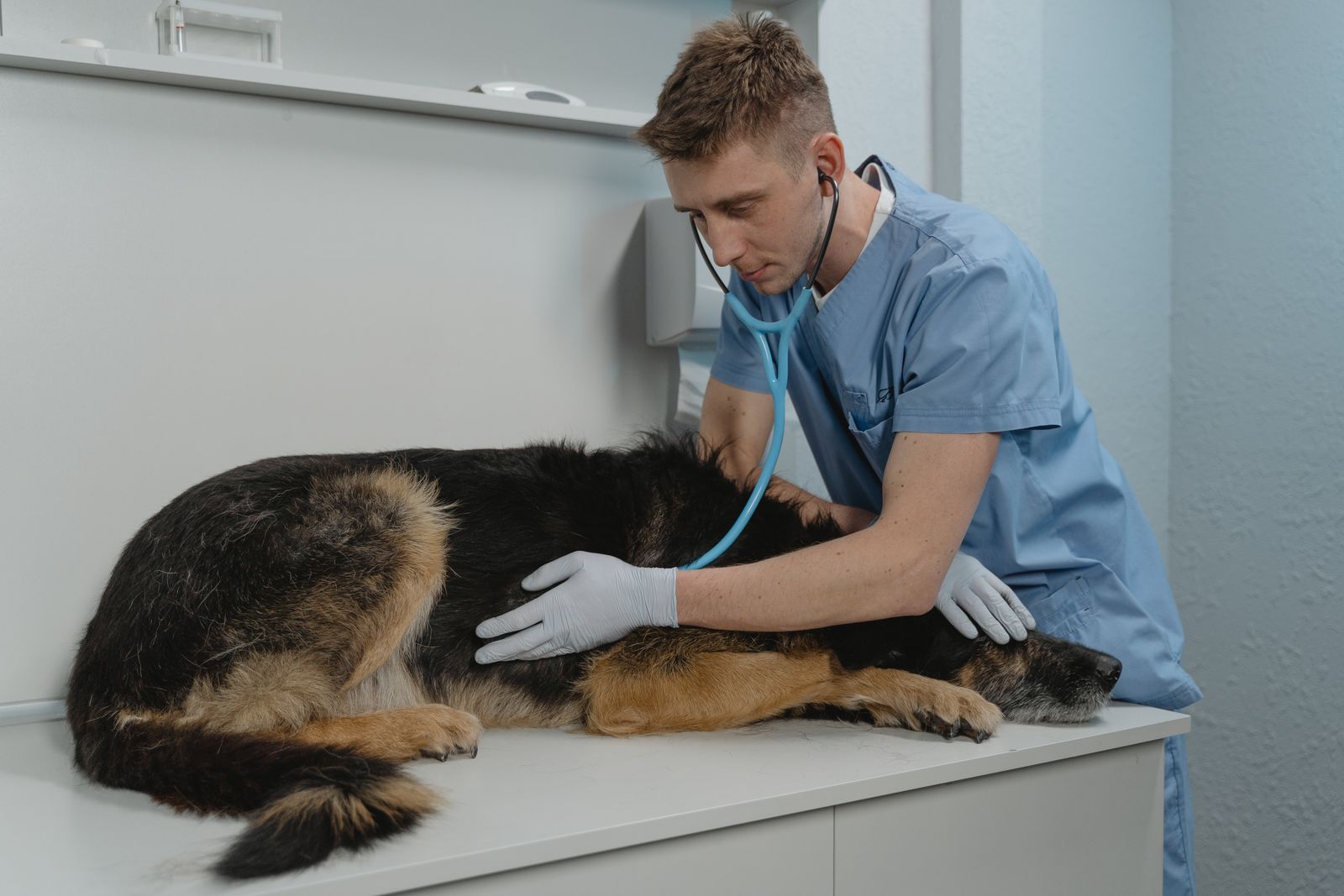
This is standard pet health insurance — the kind you might already carry through providers like Embrace or Healthy Paws — that covers veterinary care regardless of where you are. Most comprehensive pet health insurance policies cover emergency veterinary visits anywhere in the US; some extend to international treatment.
What it covers:
- Emergency vet visits while traveling
- Illness and injury treatment
- Diagnostic tests and imaging
- Surgery
- Prescription medications
What it does not cover:
- Trip cancellation due to pet illness
- Lost or stolen pets during travel
- Extra kennel fees from travel delays
- Non-medical travel disruptions
2026 cost: The average monthly premium for a dog health insurance policy in 2026 is approximately $81 per month at comprehensive coverage levels, though policies with higher deductibles run $30-$50 per month. Cat policies average $44/month.
2. Travel Insurance with Pet Coverage Add-On
Many human travel insurance policies now include pet-related coverage as a standard benefit or optional add-on. This does not cover veterinary care but instead covers travel disruptions caused by or affecting your pet.
What it covers:
- Trip cancellation if your pet becomes seriously ill before departure
- Extra kennel or boarding fees caused by travel delays
- Emergency pet medical treatment while traveling (limited benefit, typically $250-$2,500)
- Lost or stolen pet assistance
What it does not cover:
- Routine veterinary care
- Pre-existing conditions
- Behavioral issues
- Comprehensive medical treatment
Cost: $30-$75 for a single-trip policy, or included in comprehensive travel insurance plans ranging from $100-$300.
3. Pet-Specific Travel Insurance
A newer product category designed specifically for pets in transit. Typically purchased through pet relocation companies or specialized travel services.
What it covers:
- Medical emergencies during the specific journey
- Carrier damage
- Flight delays and missed connections affecting your pet
- Temperature-related incidents during cargo travel
- Death or injury during transport
Cost: Starting at $30 for domestic trips; $75-$200 for international transport.
 Photo credit on Pexels
Top Pet Insurance Providers for Travelers in 2026
Not all pet insurance covers travel situations equally. Here is how the major 2026 providers compare.
Embrace Pet Insurance
Travel rating: Excellent
Embrace stands out for travelers because it covers exam fees (many policies exclude the vet visit fee itself) and has no per-incident caps. Their policies work with any licensed veterinarian — no network restrictions — so you can visit an emergency vet in any city. Embrace also explicitly covers up to six months of international travel, which is rare in the US market.
- Monthly cost: $35-$85
- Deductible: $200-$1,000 (annual)
- Reimbursement: 70%-90%
- Covers exam fees: Yes
- International coverage: Yes (up to 6 months)
Healthy Paws
Travel rating: Very Good
Healthy Paws offers unlimited lifetime benefits with no caps on claims — valuable for expensive emergency treatment away from home. Their claims process is fast, with most reimbursements issued within days. Coverage works nationwide with any licensed veterinarian.
- Monthly cost: $30-$80
- Deductible: $100-$500 (annual)
- Reimbursement: 70%-90%
- Covers exam fees: No
- International coverage: Limited — verify before international travel
Trupanion
Travel rating: Excellent
Trupanion’s standout feature for travelers is their direct vet pay program. At participating veterinary hospitals, Trupanion pays the vet directly — you don’t pay out of pocket and wait for reimbursement. The participating network is growing but not available everywhere, which limits this advantage in unfamiliar cities.
- Monthly cost: $40-$100
- Deductible: $0-$1,000 (per condition, lifetime)
- Reimbursement: 90%
- Direct vet pay: Yes (at participating clinics)
Spot Pet Insurance
Travel rating: Very Good
Spot has become a strong contender for travel coverage specifically, offering customizable plans that work nationwide with any licensed vet. Their wellness add-on can cover health certificates and preventive travel prep costs.
- Monthly cost: $25-$80
- Deductible: $100-$1,000 (annual)
- Reimbursement: 70%-90%
- Covers exam fees: Yes (on select plans)
Faye Travel Insurance
Travel rating: Excellent (for trip disruption coverage)
Faye is a travel insurance provider — not a pet health insurer — that includes excellent pet coverage. Their policies cover up to $2,500 in veterinary fees for emergency medical treatment while traveling, plus up to $250 for extra kennel fees caused by travel delays. Trip cancellation for pet illness is included.
- Policy cost: $50-$150 per trip
- Pet medical coverage: Up to $2,500
- Extra kennel fees: Up to $250
- Trip cancellation for pet illness: Yes
- Claim processing: Typically within 48 hours
WorldTrips Atlas Journey Plans
Travel rating: Good (for add-on pet coverage)
WorldTrips offers the Atlas Journey Explore and Elevate plans with a pet care add-on that covers up to $250 for boarding fees from a delayed return and up to $500 for emergency vet visits. Useful when you want a single policy covering both you and your pet’s trip disruption risks.
ManyPets
Travel rating: Good
ManyPets offers straightforward pet health insurance that works nationwide, with a travel rider available as an optional add-on.
- Monthly cost: $25-$75
- Deductible: $250-$500 (annual)
- Reimbursement: 70%-90%
How to Choose the Right Coverage
Frequent Travelers (4+ trips per year)
Invest in a comprehensive pet health insurance policy with nationwide and ideally international coverage. This is your baseline for any veterinary emergency wherever you travel. Supplement with trip-specific travel insurance for major vacations.
Recommended: Embrace or Spot for health coverage + Faye for trip-specific coverage.
Occasional Travelers (1-3 trips per year)
A solid pet health insurance policy may be sufficient. Consider adding Faye or a WorldTrips plan for expensive trips where cancellation costs would be significant.
Recommended: Any major pet health insurer + single-trip travel insurance when warranted.
International Travelers
International travel introduces different veterinary standards, language barriers, and import/export complications. Look for pet health insurance that explicitly covers international treatment, and consider specialized pet transport insurance for the journey itself.
Recommended: Embrace (explicitly covers international vet visits up to 6 months) + pet transport insurance from your relocation provider + comprehensive travel insurance.
Budget Travelers
Focus on a basic pet health insurance policy with a higher deductible to keep premiums low. Skip travel-specific add-ons, but maintain an emergency fund of $1,000-$2,000 for travel-related pet emergencies.
Recommended: Higher-deductible policy from any major provider + personal emergency fund.
 Photo credit on Pexels
What Pet Travel Insurance Does NOT Cover
Understanding exclusions is as important as understanding coverage. Common exclusions across nearly all providers:
Pre-Existing Conditions
Nearly all policies exclude pre-existing conditions — illnesses or injuries that showed symptoms before the policy effective date or during the waiting period. If your dog has a history of cruciate ligament problems, treatment for a ligament injury during travel will likely not be covered.
Elective Procedures
Cosmetic procedures, breeding-related costs, and elective surgeries are excluded.
Behavioral Issues
If your dog’s anxiety leads to destructive behavior in a hotel room, the resulting property damage is not covered by pet health insurance (though some travel insurance policies may cover liability under separate provisions).
Routine and Preventive Care
Standard wellness visits, vaccinations, health certificates, and dental cleanings are excluded from most accident-and-illness policies. Some providers offer wellness riders at additional cost.
Exotic Pets
Most pet travel insurance covers dogs and cats only. If you travel with birds, reptiles, or small mammals, coverage options are extremely limited.
The Real Cost of Skipping Insurance
The financial case for pet travel insurance becomes clear with a look at common travel-related emergency costs in 2026:
| Emergency | Average Cost |
|---|---|
| Foreign body removal (swallowed object) | $800-$3,500 |
| Snakebite treatment | $1,000-$5,000 |
| Heatstroke treatment | $500-$3,000 |
| Broken bone repair | $1,500-$4,000 |
| Allergic reaction treatment | $200-$1,500 |
| Gastric dilatation-volvulus (bloat) surgery | $3,000-$7,500 |
| Porcupine quill removal | $200-$1,500 |
| Toxic ingestion treatment | $500-$5,000 |
A single emergency can easily exceed one full year of insurance premiums. And emergencies are statistically more likely during travel, when pets are in unfamiliar environments encountering new plants, wildlife, and terrain.
The ASPCA recommends that all traveling pet owners maintain either a pet insurance policy or an emergency fund of at minimum $1,000-$2,000 before any trip.
Filing a Claim While Traveling
Dealing with insurance claims away from home can be stressful. Here is how to make the process as smooth as possible.
At the Vet
- Tell the vet you have pet insurance. Ask if they participate in any direct pay programs.
- Get itemized invoices for all treatment: exam fees, diagnostics, medications, procedures.
- Request copies of all medical records, including imaging files, lab results, and treatment notes.
- Pay the bill (unless direct pay is available) and keep all receipts.
Filing the Claim
- File promptly — most insurers have a 90-180 day filing window from the treatment date.
- Use the insurer’s mobile app or online portal for fastest processing.
- Include all documentation: invoices, medical records, receipts.
- Write a clear description of what happened: dates, locations, circumstances.
Reimbursement Timeline
- Standard processing: 5-14 business days
- Complex claims: Up to 30 business days
- Faye travel insurance: Claims typically processed within 48 hours
Practical tip: Photograph every document with your phone immediately at the vet’s office. Paper receipts from emergency visits have a way of disappearing during the rest of a trip. A digital backup ensures you have everything needed to file.
International Travel Insurance Considerations
Coverage Territory
Confirm that your pet health insurance covers treatment in your specific destination country. Some policies are US-only; others cover treatment worldwide. This distinction matters enormously for international travel.
Currency and Reimbursement
Understand how your insurer handles claims in foreign currencies. Most reimburse in USD based on the exchange rate at the time of treatment.
Veterinary Standards Abroad
Veterinary care quality varies internationally. In Western Europe, Australia, and Japan, standards are comparable to the US. In developing countries, emergency veterinary care may be limited. Consider whether your travel plans include destinations with adequate veterinary infrastructure.
Repatriation Coverage
Some pet transport insurance policies include repatriation coverage — they pay to transport your pet home if you are incapacitated or if your pet needs treatment not available locally. Worth confirming before international travel to remote destinations.
 Photo credit on Pexels
Creating a Travel Emergency Plan
Insurance is one part of a comprehensive emergency plan. Here is what else to have ready before every trip:
Before You Leave
- Research emergency veterinary clinics at your destination and along your route; save addresses and phone numbers in your phone
- Download the ASPCA Animal Poison Control app (consultation fee of $95 if you call, but it can save your pet’s life)
- Carry copies of your pet’s medical records: vaccination history, current medications, known allergies
- Confirm your pet’s microchip registration is current with your mobile phone number
Emergency Contacts Card
Create a card for your wallet or phone case:
- Your veterinarian’s name and phone number
- Your pet insurance policy number and claims phone number
- ASPCA Poison Control: (888) 426-4435
- Pet Poison Helpline: (855) 764-7661
- Your emergency contact’s information
Financial Preparation
Even with insurance, you may need to pay upfront for emergency treatment. Ensure you have:
- A credit card with at least $5,000 available for emergencies
- Access to your pet insurance app for quick claim filing
- Clear knowledge of your policy deductible and reimbursement percentage
The Bottom Line
Pet travel insurance is not a luxury. It is a practical safeguard for animals we travel with and love. The cost is modest compared to the protection it provides, and the peace of mind it offers is genuine.
Whether you choose comprehensive pet health coverage, trip-specific travel insurance, or a combination of both, having some form of protection means a medical emergency does not turn your trip into a financial crisis. Pair your policy with a GPS tracker like the Fi Series 3 Smart Collar — the real-time GPS tracking and health monitoring data can be lifesaving if your dog goes missing or shows health changes far from home.
See our pet first aid kit guide for what to pack alongside your insurance, our real cost of traveling with a dog for full budget planning, and our complete airline pet policies comparison for carrier-by-carrier travel rules.
Related Reading
Get the best Pawventures tips in your inbox
Weekly guides, deals, and insider tips. No spam, unsubscribe anytime.