Renting a Car for a Dog Road Trip: Texas Hill Country 2026
Car rentals, pet policies, and safety tips for a dog-friendly 2026 Texas Hill Country road trip - leash rules, rattlesnake avoidance, cabin fees.

This post may contain affiliate links. Disclosure
A Texas Hill Country road trip with your dog can feel like a moving vacation: bluebonnet-strewn highways, cool river swims, and cozy cabins where your pup can curl up after a day of exploring. The right rental car makes the difference between a smooth, safe adventure and a series of stressful detours. In 2026 the major rental firms - Avis, Hertz, Enterprise, Alamo, Budget, and National - still operate out of Austin-Bergstrom (AUS) and San Antonio International (SAT). This guide walks you through the paperwork, price tiers, insurance nuances, and on-the-ground realities you’ll face on the Hill Country’s mix of paved highways and gravel farm roads. Pack the right gear, respect park rules, and you’ll return home with happy paws and a clean rental seat.
Quick answer: A Texas Hill Country dog road trip pairs bluebonnet highways and river swims with two specific hazards: rattlesnakes on trails and cabin pet fees that are not disclosed upfront. This 2026 guide covers rental requirements and pet policies, cost by vehicle class, insurance, leash rules, and the gear that makes the drive comfortable.
Requirements & Rental Policies
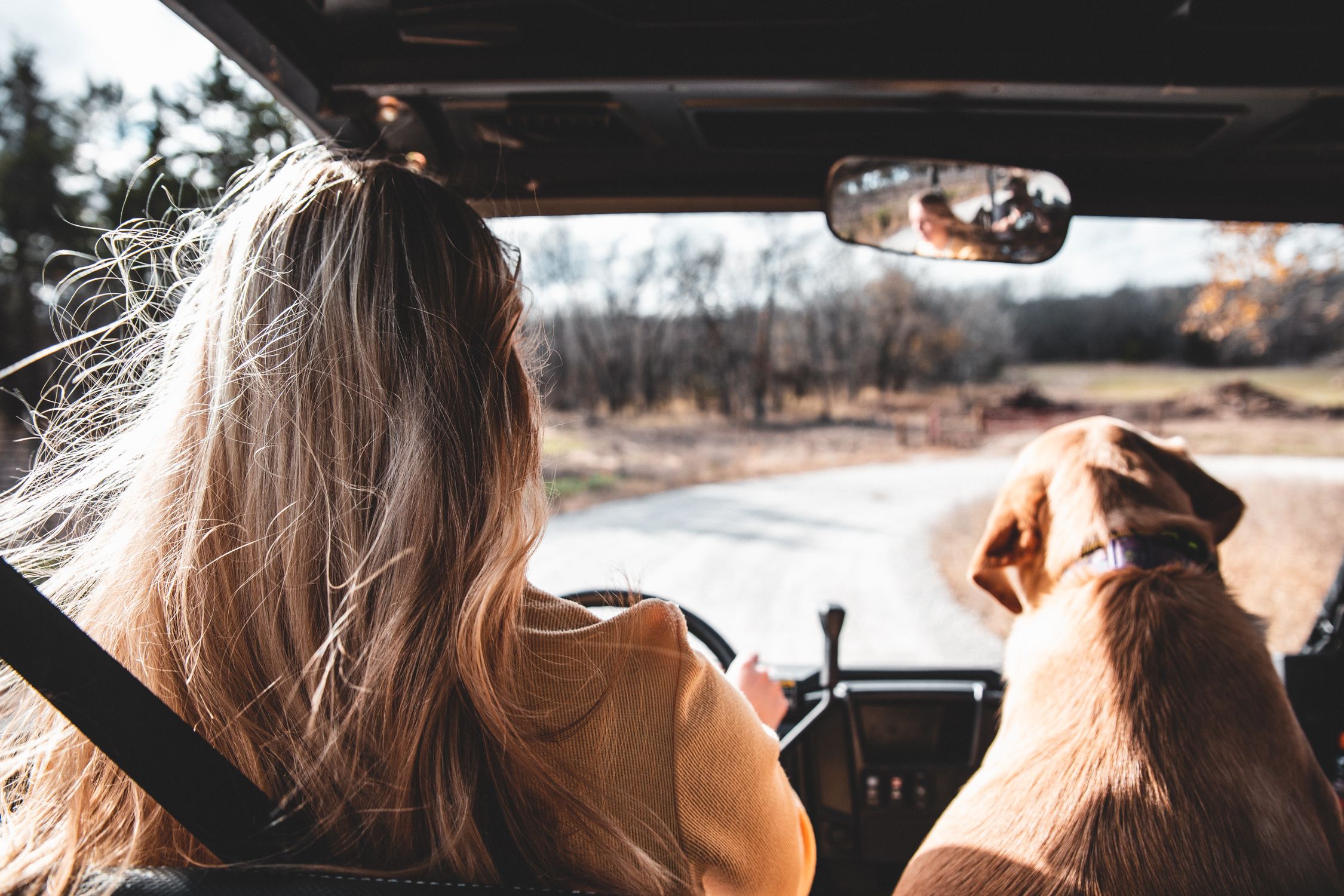
All six companies require a valid driver’s license, a major credit card in the renter’s name, and a minimum age that ranges from 21 (most) to 25 (some premium classes). Enterprise and Alamo are the strictest about pets: they require non-service dogs to stay crated for the duration of the rental and will assess a cleaning fee if hair or dander remain. Avis and Hertz are a bit more relaxed - no crate is needed - but they still expect the vehicle to be returned odor-free and free of pet debris.
Because you’ll be traveling with a living passenger, double-check the pet-friendly policy on the rental site before you book. Enterprise’s FAQ spells out the crate rule and the potential $250+ cleaning surcharge if the car isn’t vacuumed before return, according to Enterprise. A quick phone call can also confirm whether the agency allows a dog harness to be attached to the seatbelt (most do) and whether any breed restrictions apply.
Since Austin-Bergstrom and San Antonio International are both major hubs, all six brands maintain a healthy inventory of SUVs and crossovers even during the busy spring wildflower season - but pet-specific accessories like a back-seat grate are far less common in Hill Country than at, say, a national park gateway airport, so plan to bring your own restraint gear rather than counting on the counter to supply one.
Cost Breakdown by Vehicle Class
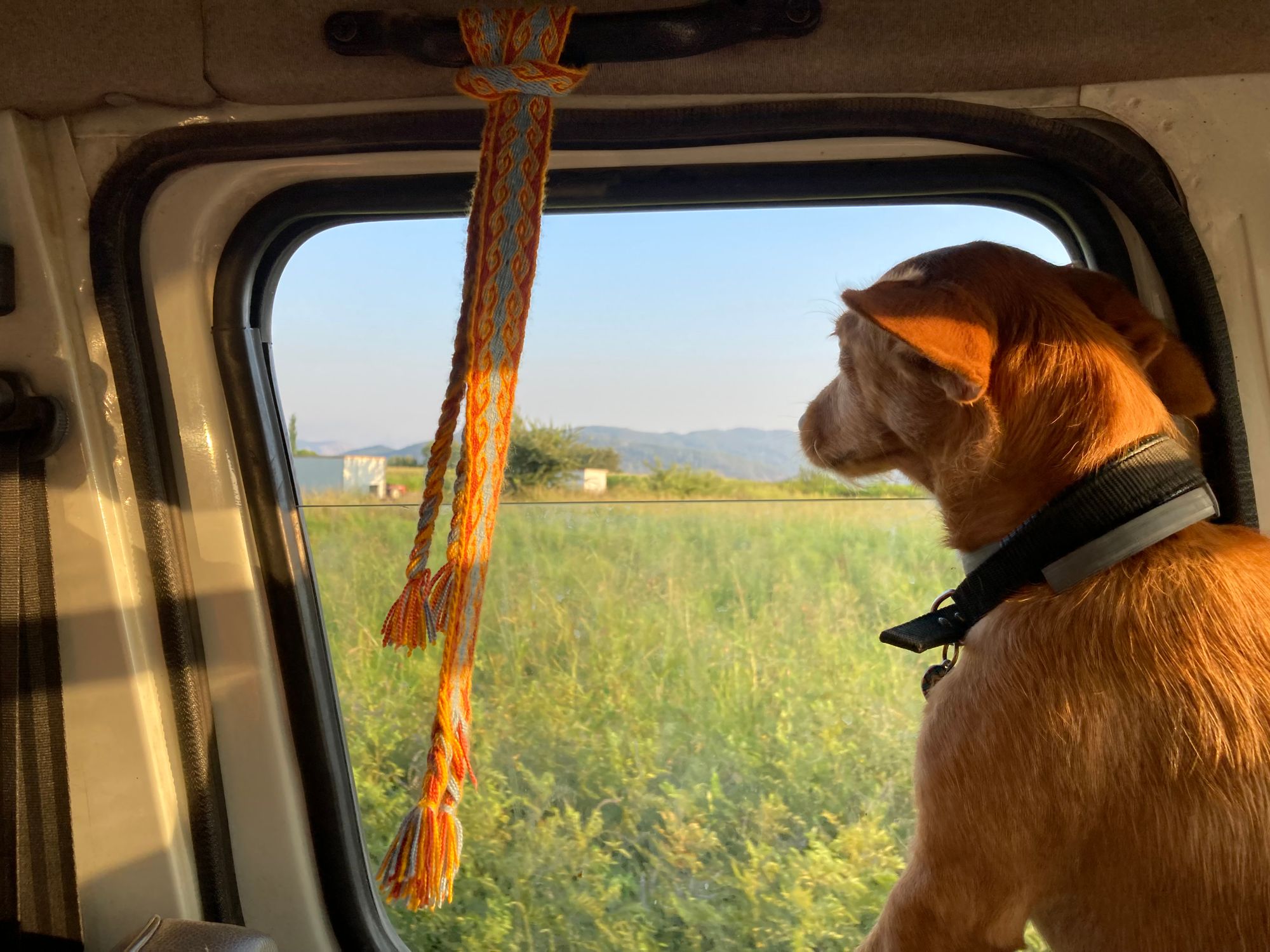
Rental rates in 2026 still follow the classic economy-vs-SUV split. From either Austin or San Antonio airports:
- Economy cars (compact sedans, hatchbacks) run $40-$65 per day. These are ideal for solo travelers or couples with a small dog that fits comfortably in the back seat.
- SUVs (mid-size crossovers, full-size sport-utility) range from $65-$110 per day. An SUV gives you extra cargo space for a travel crate, water bowls, and a cooler, plus higher ground clearance for gravel FM roads.
- Weekend premium: Spring wildflower weekends (mid-March to early April) see a modest bump on SUV rates because demand spikes.
One-way fees between Austin and San Antonio are typically minor, as both airports sit on the fringe of the Hill Country. If you plan to start in Austin and finish in San Antonio (or vice versa), compare the total cost on a price-comparison site like DiscoverCars before you lock in a reservation.
Booking a few weeks ahead of a spring wildflower weekend is worth the effort - SUV inventory at both airports tightens noticeably once bluebonnet season hits its peak, and last-minute bookings tend to land at the top of the $65-$110 range rather than the bottom.
Insurance & Coverage Tips

Collision Damage Waiver (CDW) is an optional add-on at most counters, not a requirement to rent. Before you purchase it, verify two things:
- Personal auto policy - many credit cards and homeowner’s policies extend coverage to rentals, but they often exclude rural, unpaved roads. Ask the agent whether the policy applies to off-road mileage before you assume you’re covered on gravel FM routes.
- Rental company exclusions - some firms list damage caused by off-road driving as a non-covered event. If you intend to explore Ranch Road 1 near Hunt or the RM 337 loop, you may want the CDW for peace of mind.
If you decline CDW, keep a photographic record of the car’s condition at pickup and drop-off. A quick five-minute vacuum of the seats (especially if your dog sheds) can prevent the dreaded $250+ cleaning fee that Enterprise and Alamo enforce. That same photo record doubles as evidence if you ever need to demonstrate the car wasn’t driven off any of the low-water crossings mentioned below - a distinction that matters if your policy excludes off-road damage.
Road Realities & Safety

The Hill Country’s beauty comes with a few non-negotiable safety rules:
- Leash limits - Texas State Parks require leashes no longer than 6 feet and prohibit leaving dogs unattended in vehicles, campsites, or park areas, according to Texas Parks & Wildlife Department.
- Rabies proof - A current rabies vaccination card must be presented at park entry, according to Texas Parks & Wildlife Department.
- Rattlesnake awareness - Rocky outcrops and cedar thickets host active rattlesnakes in the warmer months. Keep dogs leashed and scan the terrain before letting them wander. If a bite occurs, seek veterinary care immediately; field treatment is not recommended, according to Take Care of Texas.
- Heat management - Mid-day temperatures can climb well into the 90s. Schedule walks before 9 am or after 6 pm to avoid heat stress, according to Take Care of Texas. Carry a collapsible water bowl and refill at every stop.
- Low-water crossings - Rural roads like RR 337 and Ranch Road 1 can flood quickly after storms. Never drive through moving water; turn around and find a bridge.
- Ticks - Brushy terrain harbors ticks. Apply a vet-recommended tick preventative before you leave and check your dog’s coat daily.
By respecting these guidelines, you’ll keep both your pup and your rental car out of trouble. None of these rules are unique to Hill Country, but the combination of rattlesnake habitat, low-water crossings, and open-range heat in one region means it’s worth reviewing all six before you set out rather than learning them one at a time on the road.
What to Pack

A well-packed car makes the difference between a relaxed drive and a frantic scramble at every rest stop.
- Sleepypod Clickit Sport Plus - Crash-Tested Car Seat Belt Harness, Medium - At $99.95 this 5-star Center for Pet Safety-rated harness offers a three-point restraint system and doubles as a walking harness. Ideal for medium-sized dogs who need the highest crash protection.
- Sleepypod Clickit Sport Plus - Crash-Tested Car Seat Belt Harness, Small - Priced at $89.95, this version fits dogs 12-25 lb. It provides the same 5-star certification and includes reflective strips for low-light visibility.
- Kurgo Enhanced Strength Tru-Fit Dog Car Harness - Black, Large - At $26.95 this budget-friendly, crash-tested harness supports dogs up to 75 lb. It features all-steel nesting buckles and a dual-leash attachment, making it a solid backup if the Sleepypod doesn’t fit.
Additional essentials:
- Collapsible water bowl - Fill it at every gas station or park water source.
- Pet-friendly seat cover - Protect upholstery from hair and mud.
- Cooling mat - Even in early summer, a mat can prevent overheating on long drives.
- First-aid kit - Include tweezers for tick removal and a copy of your vet’s emergency contact.
- Proof of rabies vaccination - Keep a digital copy on your phone and a hard copy in the glove compartment, since Texas State Parks require it at entry.
None of these items need to be expensive or hard to find before you leave home - the goal is simply to have them within reach in the car rather than packed at the bottom of a suitcase when you need them at a trailhead or a low-water crossing pullout.
Practical Tips & Common Mistakes to Avoid
- Don’t skip the pre-trip vet check. A quick wellness exam and updated tick/heartworm preventatives save headaches later, especially given how common ticks and rattlesnakes both are in Hill Country brush.
- Avoid driving through moving water. Low-water crossings can look shallow but become dangerous in a flash.
- Never leave your dog unattended in a parked car. Even with windows cracked, interior temps climb fast.
- Vacuum before you return. A five-minute seat vacuum avoids the $250+ cleaning surcharge that Enterprise and Alamo levy.
- Book pet-friendly cabins early. Hill Country resorts like Tapatio Springs charge a $50 first-night fee and $25 per additional night for two pets under 75 lb, but inventory fills quickly in spring, especially during wildflower season when both hotel rooms and rental cars are in short supply at once.
- Respect shared-trail etiquette. At Hill Country State Natural Area, leashed dogs share 40+ miles of trails with horses; keep your dog under voice control and yield to riders, since a startled horse is a safety risk for everyone on the trail, not just your dog.
For a quick reference on park rules, see the Texas Parks & Wildlife Park Rules page or the State Parks FAQ if your itinerary includes an overnight camping stop with your dog.
FAQ
Q: Can I rent a car in Austin and drop it off in San Antonio with my dog? A: Yes. One-way fees are minimal between the two airports because both sit on the edge of the Hill Country. Check the final price on a comparison site like DiscoverCars before confirming.
Q: Do I need a crate for an SUV rental? A: Only Enterprise and Alamo require a crate for non-service pets. Hertz, Avis, Budget, and National allow a harness-only setup, but they still expect a clean, odor-free interior. Either way, a crash-tested harness is worth bringing regardless of which brand you book, since it protects your dog on the highway even when a crate isn’t required.
Q: What if my dog gets a snake bite on a remote road? A: Keep calm, immobilize the affected limb, and seek veterinary care immediately. Do not attempt to treat the bite yourself; professional antivenom is required, according to Take Care of Texas.
Q: Are there any extra fees for pets at Hill Country cabins? A: Most vacation rentals charge $15-$25 per pet per day or a flat per-stay fee, with a typical cap of two to three pets per unit, according to Backroads Hill Country. Tapatio Springs Hill Country Resort, for example, adds a $50 first-night fee and $25 each subsequent night for up to two pets under 75 lb - worth factoring into your total trip budget alongside the rental car and any CDW you add.
Q: Are there dog-friendly spots to break up the drive? A: Yes - Medina River access points in Bandera let leashed dogs wade in the shallows, and Bandera’s downtown patios and coffee shops are widely dog-friendly, according to Backroads Hill Country. It’s a good halfway stop if you’re driving the loop between Austin and San Antonio.
Q: Is the whole trip really that risky, or is this guide being overly cautious? A: Most Hill Country trips go smoothly - the point of the safety rules above is that they’re easy to follow once you know them and genuinely costly to ignore. A leashed dog, a full water bottle, and a route that avoids driving through flooded low-water crossings cover the majority of the real risk in this region.
Related Reading
Get price-drop alerts and new guides from DogTripGuide
One email a week: price drops on the gear we recommend, new guides, and what changed. No spam, unsubscribe anytime.