Renting a Car for a Dog Road Trip in New England 2026
A 2026 dog-parent guide to renting a car for New England fall foliage: budgeting, pet policies, insurance, and gear tips for a pet-friendly road trip.

This post may contain affiliate links. Disclosure
Planning a New England fall road trip with your dog feels like a seasonal ritual: crisp air, fiery leaves, and the promise of a beach stroll at Acadia’s Sand Beach. The logistics, however, can be a maze of rental policies, price spikes, and mountain‑road quirks that catch even seasoned dog‑parents off guard. This guide walks you through every rental decision—from choosing the right vehicle class and pet‑policy nuances to insurance basics and timing the foliage for fewer crowds—while keeping your four‑legged companion safe, comfortable, and clean. Grab a paw‑friendly towel, a crash‑tested harness, and let’s map out a stress‑free, tail‑wagging adventure for 2026.
Quick answer: A New England fall foliage road trip with a dog collides with peak-season price spikes, so booking early matters more than in most regions. This 2026 guide covers rental pet policies, cost by vehicle class and one-way fees, insurance basics, scenic route planning with dog-friendly stops, and what to pack for a clean ride.
Requirements & Pet Policies
Understanding each company’s pet protocol saves you from surprise fees at the counter. Policies aren’t standardized across the industry, so the same road trip can mean a carrier requirement at one counter and a casual nod at the next.
- Alamo: Non‑service pets must be secured in a carrier before you reach the desk. The company does not charge an upfront pet surcharge, but it does assess cleaning fees for hair, odor, or any soiling that occurs during the rental. (source: Alamo Rent A Car / Passpaw)
- Enterprise: You can add a pet after the reservation is made, but the brand recommends calling the specific branch ahead of time to confirm any expectations they may have. No extra pet fee is listed, though standard cleaning expectations apply. (source: Enterprise Rent‑A‑Car / Passpaw)
- Avis and National: Both allow pets to travel without a crate, provided the vehicle is returned clean. Avis notes that requesting a cloth‑interior car makes end‑of‑trip vacuuming easier, even though hair is more visible during the drive. National spells out its own pet expectations in its pet policy FAQ, which is worth a quick read before you book if you’re unsure what “returned clean” means in practice. (source: Avis / Passpaw)
- Hertz and Budget: Follow the industry norm of allowing pets but expect the same cleaning standards; they do not require a carrier at checkout.
When you book, ask the agent whether a cloth‑upholstered interior is available. Leather may feel cleaner at first, but it can trap hair and odors, making the final vacuum a nightmare. A cloth seat, while showing hair more readily, wipes clean with a quick shop‑vac before you drop the keys. If a specific location can’t confirm interior type over the phone, Enterprise’s advice applies broadly: call ahead rather than assume, since pet expectations can vary branch to branch even within the same company.

Cost by Vehicle Class & One‑Way Fees
Rental rates in New England fluctuate with the foliage calendar. At Boston Logan or Portland, ME airports you’ll typically see:
| Vehicle | Daily Rate (2026) | Notes |
|---|---|---|
| Economy | $40‑$70 | Ideal for small dogs and tight city streets. |
| SUV | $75‑$130 | Extra cargo space for gear, larger dogs, and snow‑tire packages. |
Peak‑Season Surge – During the most popular fall‑foliage weekends (late September through mid‑October), daily rates can climb 20‑30 % above the baseline. If you’re traveling the Kancamagus Highway on a Saturday, expect the higher end of the SUV band. Over a five‑day trip, that swing alone can mean the difference between an economy rental at roughly $200‑$350 and an SUV at $375‑$650 before any one‑way surcharge is added, so it pays to lock in dates as early as possible once you know your travel window.
One‑Way Fees – Planning a loop from Boston to Bar Harbor or Portland to Boston? Rental firms add a one‑way surcharge ranging from $100 to $250+, depending on distance and demand. Factor this into your budget early; it can turn a “budget” rental into a mid‑range expense. If your itinerary allows it, returning the car to the same airport you picked it up from avoids this fee entirely, which is often the simplest way to keep a foliage trip on budget.
Budget‑Saving Tip – Book a week before or after the peak foliage window (about 80‑90 % of color) to cut daily rates and avoid the steepest one‑way fees. Use a price‑comparison tool like DiscoverCars to see side‑by‑side quotes from Enterprise, Alamo, Avis, and others before you lock in a reservation.

Insurance & Coverage Basics
Collision Damage Waiver (CDW) is an optional add‑on at the counter, but it’s rarely required if you already have coverage elsewhere. Before you purchase:
- Check your personal auto policy – Many insurers extend coverage to rental vehicles, provided the driver is listed on the policy. A quick call to your insurance agent before the trip can save you from paying twice for the same protection.
- Credit‑card benefits – Major cards often include CDW protection when you pay the rental with the card. Verify the limits and any exclusions (e.g., certain vehicle classes or foreign rentals), since some cards exclude SUVs or luxury tiers from their built‑in coverage.
- Winter‑tire considerations – If you plan to drive the Kancamagus Highway in late October, ask the rental agency whether the vehicle is equipped with winter tires or if a surcharge applies. Early‑season snow can appear on higher elevations, and a tire change can add $15‑$30 per day.
Remember, CDW does not cover personal injury or liability for your dog. If you want extra peace of mind, look into a separate pet‑travel insurance policy, but that is outside the scope of standard car‑rental packages. The safest approach is to treat CDW as protection for the vehicle only, and to rely on a crash‑tested harness or crate (see the gear section below) as the actual safety plan for your dog.
Road Realities: Foliage, Scenic Routes, and Dog‑Friendly Stops
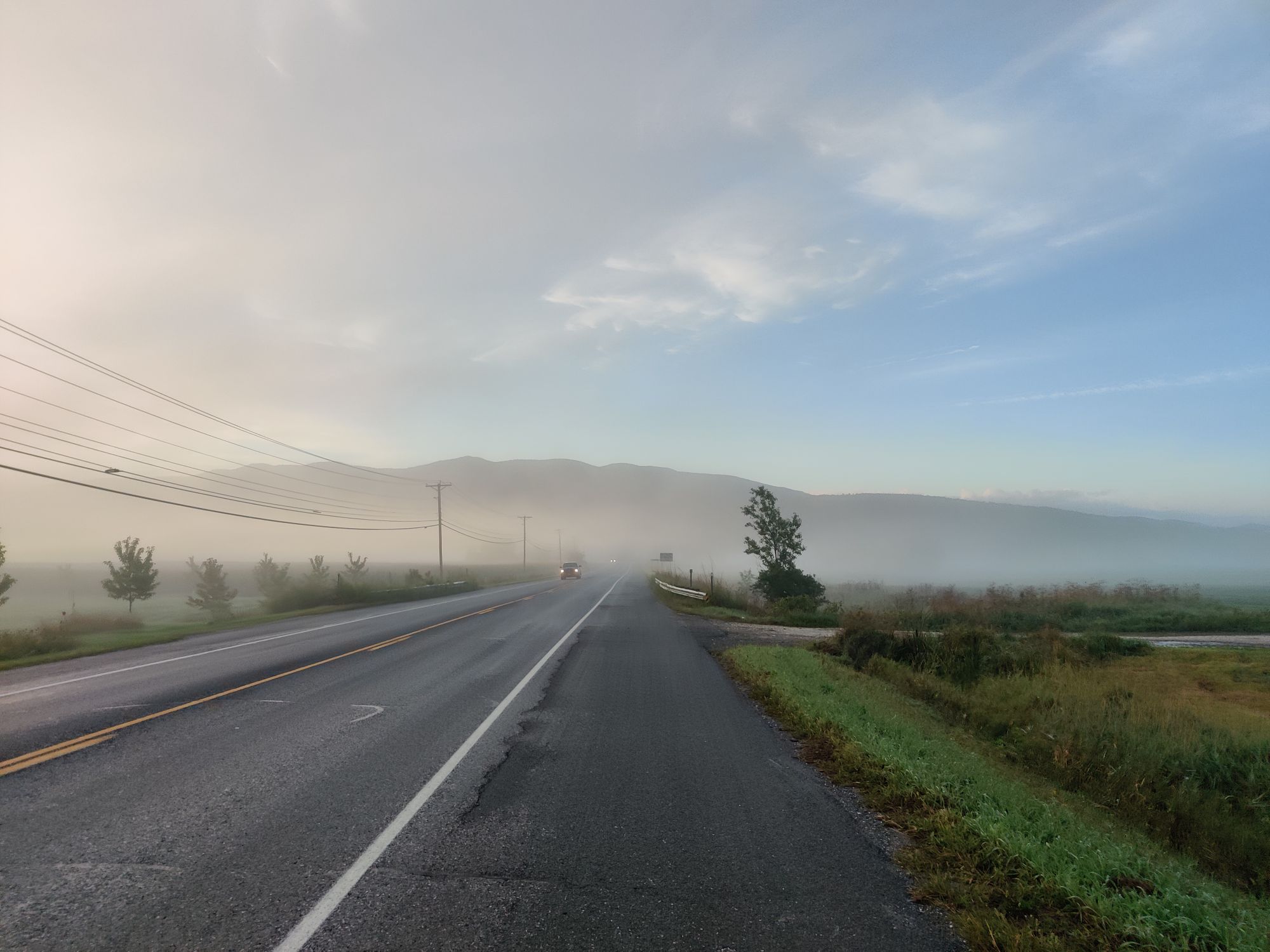
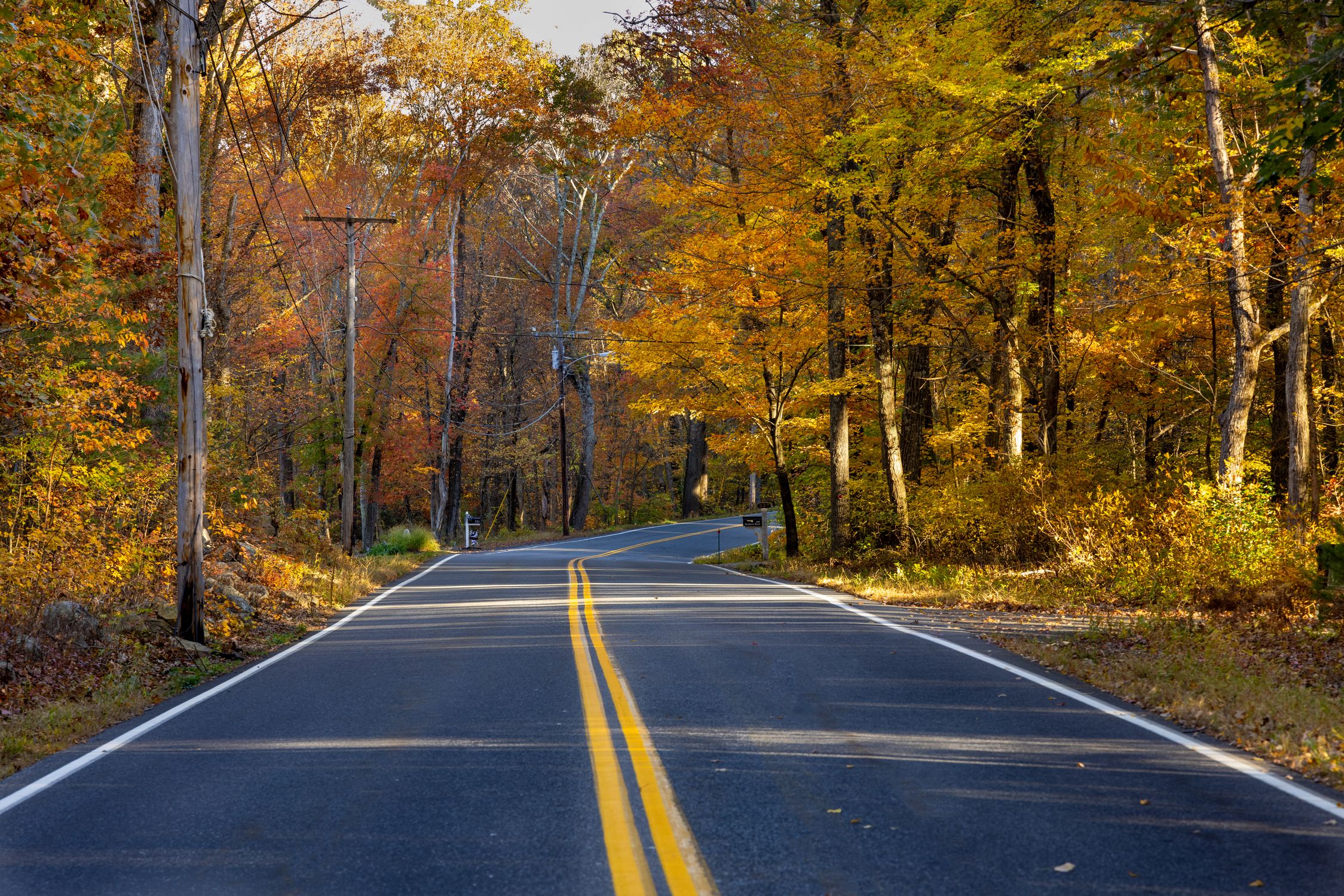
New England’s fall foliage migrates north‑to‑south and high‑to‑low elevation over roughly six weeks, beginning in mid‑September and winding down by late October. Vermont and New Hampshire’s mountain peaks peak first, followed by the lower valleys of Massachusetts and coastal Maine, according to Discover New England. Building your route around that north‑to‑south drift lets you chase peak color for weeks rather than days, if your schedule is flexible enough to adjust as conditions change.
Kancamagus Highway (NH Route 112) – Frequently listed as one of the nation’s premier foliage drives, this 34‑mile stretch sees heavy tour‑bus traffic on weekends. Arrive at pull‑outs before 9 am and aim for mid‑week travel to avoid the crowds (source: Helene in Between).
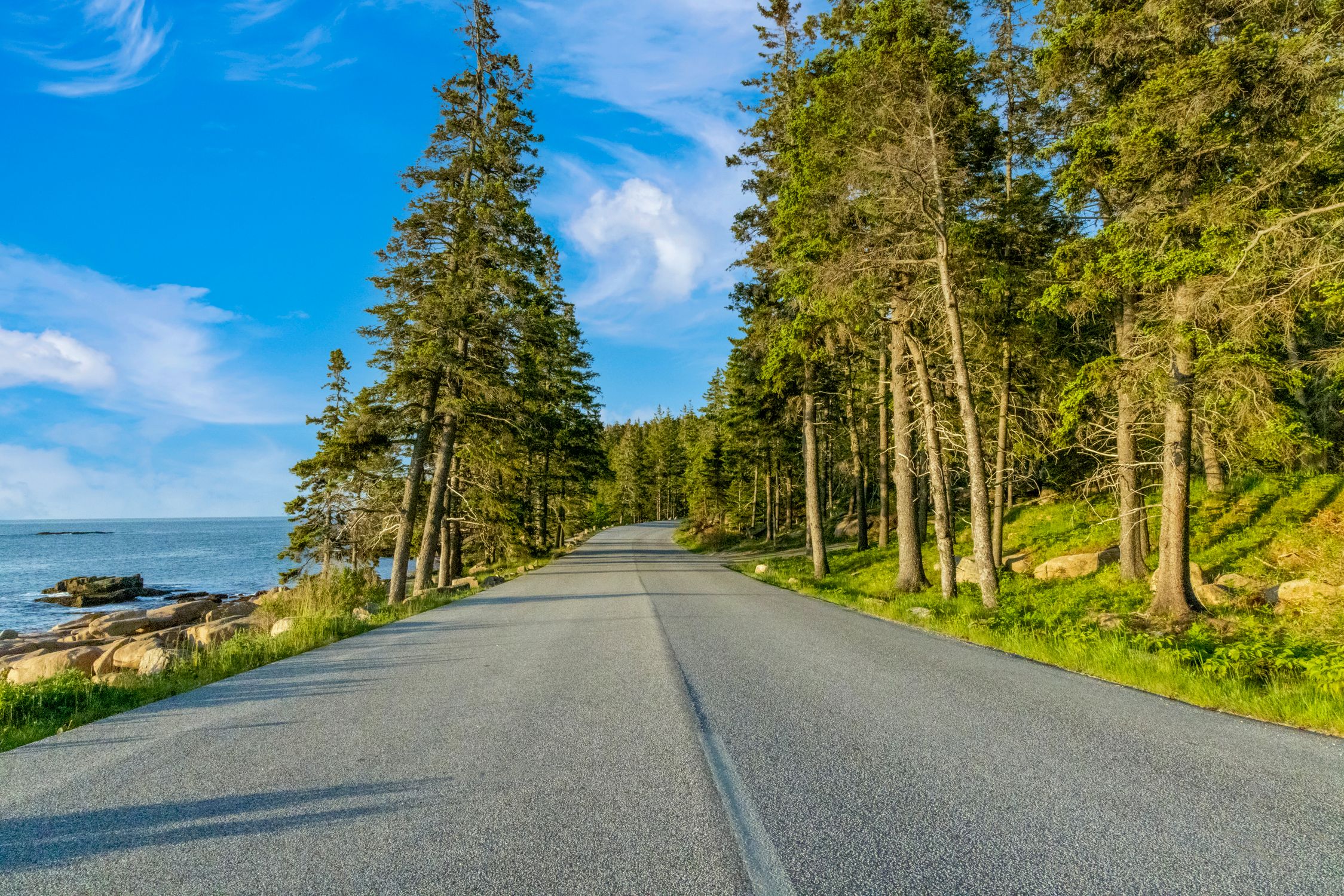
Acadia National Park, Maine – A top dog‑friendly destination: leashed dogs (max 6 ft) are welcome on more than 100 miles of hiking trails and 45 miles of carriage roads, per the NPS Acadia pet policy. Dogs are prohibited on Acadia’s ladder trails, so keep an eye on signage before you commit to a route with your dog in tow. Sand Beach reopens to dogs on September 9 each year, making a post‑peak beach day both scenic and less crowded (source: The Well Worn Shoes).
Ideal Visiting Window – Mid‑September through mid‑October offers the sweet spot of moderate foliage, fewer tourists, and cooler temperatures that protect paw pads from hot granite surfaces (source: The Well Worn Shoes). Pack a paw‑friendly towel for the beach and layered clothing for mountain mornings that can dip below freezing. Because the carriage roads are unpaved and carriage‑road walks can run for miles, plan your daily distance around your dog’s fitness level rather than the map’s full loop length.
What to Pack for a Safe, Clean Ride
A well‑prepared dog‑travel kit keeps your pet secure and your rental spotless.
- Sleepypod Clickit Sport Plus – Crash‑Tested Car Seat Belt Harness, Medium – 5‑Star Center for Pet Safety certification, three‑point restraint, and reflective strips. Ideal for medium‑sized dogs needing top‑tier crash protection. The patented webbing distributes crash forces evenly, and it doubles as a walking harness once you’re out of the car.
- Sleepypod Clickit Sport Plus – Crash‑Tested Car Seat Belt Harness, Small – Same certification scaled for 12‑25 lb dogs; vest‑style padding keeps smaller pups comfortable on long drives. It connects to any standard rear seatbelt, so it works in nearly every rental class from economy to SUV.
- Kurgo Enhanced Strength Tru‑Fit Dog Car Harness – Large – Budget‑friendly, crash‑tested up to 75 lb, with all‑steel nesting buckles and dual D‑rings for leash attachment. Five adjustment points help it fit a range of body shapes, which matters for larger, barrel‑chested breeds.
Additional Essentials
- Carrier or crate – Required by Alamo; a soft‑sided carrier doubles as a travel bed for dogs who settle better with a den‑like space.
- Reusable seat cover – Protects cloth upholstery from mud and fur; easy to shake out at rest stops along the highway.
- Pet‑safe cleaning wipes – Quick spot cleaning for unexpected accidents, especially useful after a muddy carriage‑road walk.
- Water bowl and portable water – Hydration is crucial on long drives, especially at higher elevations where humidity drops.
- Paw‑friendly towel – Helpful for drying off after carriage‑road walks or beach visits, and for wiping down paws before your dog hops back onto a cloth seat.
Practical Tips & Common Mistakes to Avoid
- Reserve a cloth‑interior vehicle – As Avis notes, vacuuming cloth seats is far simpler than scrubbing leather after a muddy hike (source: Avis / Passpaw).
- Call ahead for pet expectations – Enterprise’s recommendation to speak with the branch can prevent a surprise “no‑pet” policy at a specific location (source: Enterprise Rent‑A‑Car / Passpaw).
- Avoid peak weekend crowds – Visiting viewpoints before 9 am and traveling mid‑week cuts wait times at popular spots like the Kancamagus pull‑outs (source: Helene in Between).
- Check the Sand Beach dog‑access date – Planning a beach day before September 9 will result in a denied entry; schedule after that date for a stress‑free shoreline romp (source: The Well Worn Shoes).
- Vacuum before return – A quick shop‑vac after your last carriage‑road walk can save you a cleaning fee, especially if you opted for a cloth interior.
- Watch the weather – Early‑season snow can appear on high‑elevation routes in late October; carry a blanket and consider a vehicle with winter tires to maintain traction and safety.
- Skip the same‑airport assumption – Don’t assume a one‑way drop‑off is included just because both cities have major airports; confirm the exact one‑way fee before you commit to a Boston‑to‑Bar Harbor loop.
By aligning your rental choice with your dog’s size, the foliage calendar, and the specific pet policies of each company, you’ll keep costs predictable, avoid unexpected fees, and give your pup a comfortable, secure ride through New England’s most photogenic season.
Related Reading
Get price-drop alerts and new guides from DogTripGuide
One email a week: price drops on the gear we recommend, new guides, and what changed. No spam, unsubscribe anytime.