Renting a Car for a Dog Road Trip: Great Lakes Guide 2026
Learn how to rent an economy car or SUV for a Great Lakes dog road trip in 2026, covering costs, pet policies, insurance, seasonal tips, and essential gear.

This post may contain affiliate links. Disclosure
Planning a shoreline adventure with your four‑legged companion across the Great Lakes can feel like a puzzle of rentals, routes, and regulations. In 2026 the region’s pet‑friendly beaches are back in full swing, but the mix of seasonal closures, rental‑company quirks, and sudden lake‑effect weather means you need a solid plan before you hit the road. This guide walks you through everything from choosing the right vehicle class and navigating pet policies at major rental brands, to timing your trip for the most comfortable dog‑friendly temperatures and packing the safety gear that keeps both driver and pup secure. Let’s turn that map of dunes and dog‑approved sand into a smooth, tail‑wagging road trip.
Quick answer: A Great Lakes dog road trip in 2026 turns on seasonal timing as much as rental price: beach access rules and seasonal closures vary shoreline to shoreline. This guide covers company pet policies, costs by vehicle class, insurance essentials, dog-friendly beach access rules, route planning, and the safety gear worth packing.
Requirements & Company Pet Policies
Understanding each rental brand’s pet stance saves you from surprise fees at the drop‑off counter.
- Enterprise: No extra fee for bringing a dog, but the company will assess cleaning fees for noticeable hair, odor, or soiling on return. (source: Enterprise Rent‑A‑Car / Passpaw)
- Alamo: Does not require you to add a pet to the reservation; however, non‑service animals should be crated and it’s courteous to call the branch ahead. (source: Alamo Rent A Car / Passpaw)
- Hertz: Allows dogs if the car is returned clean and offers an optional protective grid that separates pets from luggage and rear passengers. (source: Hertz / Passpaw)
- Avis: Welcomes pets at most locations but recommends confirming with the pickup location beforehand. (source: Avis - Pet Policy FAQ)
- Budget, National: Follow the same general pet‑friendly approach as Enterprise; cleaning fees may apply.
Most companies require the pet to stay in the back seat, secured with a harness or carrier, and prohibit leaving the animal unattended in the vehicle. A quick call to the branch can clarify whether a pet‑specific cleaning surcharge is standard or waived for a particular location. Because none of the major brands publish a flat per‑stay pet fee the way hotels do, the real cost driver here is the cleaning fee you avoid by returning a hair‑free, odor‑free interior — which is why a seat cover and a shop‑vac pass matter more on this trip than on a typical rental.

Cost Breakdown by Vehicle Class
Rental rates fluctuate by airport, season, and vehicle size. Below are the typical daily ranges you’ll see when booking from Detroit, Chicago, or Traverse City airports:
| Vehicle | Daily Rate (USD) | Notes |
|---|---|---|
| Economy (compact) | $38‑$60 | Ideal for two adults and a dog in a rear‑seat harness. |
| SUV (standard) | $65‑$110 | Extra cargo space for gear, but rates climb during the June‑August lakeshore peak. |
| One‑Way Fees | $100‑$250+ | Adding a one‑way leg between Chicago and northern Michigan can significantly increase total cost, especially for a shoreline loop. |
Because summer (June‑August) is the busiest period for lake‑front tourism, expect the upper end of the SUV range and higher one‑way fees. Booking early through a price‑comparison site such as DiscoverCars lets you lock in the lower end of the economy band and avoid surprise surcharges. If your itinerary lets you start and end at the same airport, you skip the one‑way fee entirely — often the single biggest lever for keeping a multi‑stop shoreline loop affordable.
Insurance Essentials for Dog‑Friendly Roads
Collision Damage Waiver (CDW) is an optional add‑on that many renters decline, assuming their personal auto policy or credit‑card benefits already cover rentals. Before you purchase CDW, verify:
- Personal Auto Coverage – Does your policy extend to rental vehicles?
- Credit Card Benefits – Many cards include secondary CDW coverage; confirm the limits before you decline the counter offer.
- Off‑Road Coverage – If your Great Lakes itinerary includes unpaved dune‑access roads or forest trails, ask the rental desk whether the CDW (or your personal policy) covers those surfaces.
Skipping unnecessary CDW can shave $10‑$20 off a daily rate, but a gap in coverage could cost far more if you encounter a minor collision on a gravel stretch near a dune‑access road. Since CDW only protects the vehicle, not your dog, pair whatever coverage you choose with one of the crash‑tested harnesses below rather than treating insurance as a substitute for restraint.
Road Realities & Seasonal Timing
The Great Lakes climate is famously fickle. Lake‑effect systems can turn a sunny morning into a windy, rain‑soaked afternoon within minutes. Packing a lightweight rain jacket for both you and your dog, plus a blanket for the back seat, prepares you for sudden shifts.
Temperatures that are comfortable for most dogs—between 65 °F and 75 °F—occur most reliably in early June and again in September, according to Jiminy’s Midwest road trip guide. Planning your shoreline stops during these windows reduces the risk of overheating on sand or in a parked car, and it also means fewer summer crowds competing for the same pet‑friendly beach stretches.
Beach Access Rules
- Sleeping Bear Dunes National Lakeshore: Leashed dogs (max 6 ft) are allowed on several designated beach stretches, but all beaches south of Esch Road are closed to pets from April 15 to August 15 to protect nesting birds, per the NPS Sleeping Bear Dunes pet policy. Dogs are also banned from the Dune Climb, Maritime Museum grounds, North Bar Lake, Platte Point Beach, and both Manitou Islands. Pets must stay on a 6‑foot leash at all times, can’t be left unattended or tied to an object, and owners must clean up waste.
- Indiana Dunes National Park & Warren Dunes State Park: Both allow leashed dogs on select beach and trail sections, but the exact pet‑friendly spots vary by beach. Check each park’s current pet map before arrival.
- Pictured Rocks National Lakeshore: Includes pet‑friendly beach or trail sections along the shoreline route (source: Jiminy’s Midwest road trip guide).
Because nesting shorebirds are highly sensitive, even a leashed dog near a nesting area can cause parents to abandon their nests, per the NPS Sleeping Bear Dunes guidance above. Give posted nesting zones a wide berth and keep your dog on a short leash at all times — the six‑foot maximum isn’t a suggestion, it’s the standard rule enforced across nearly every Great Lakes national lakeshore and state park on this route.
What to Pack: Safety Gear & Comfort Essentials
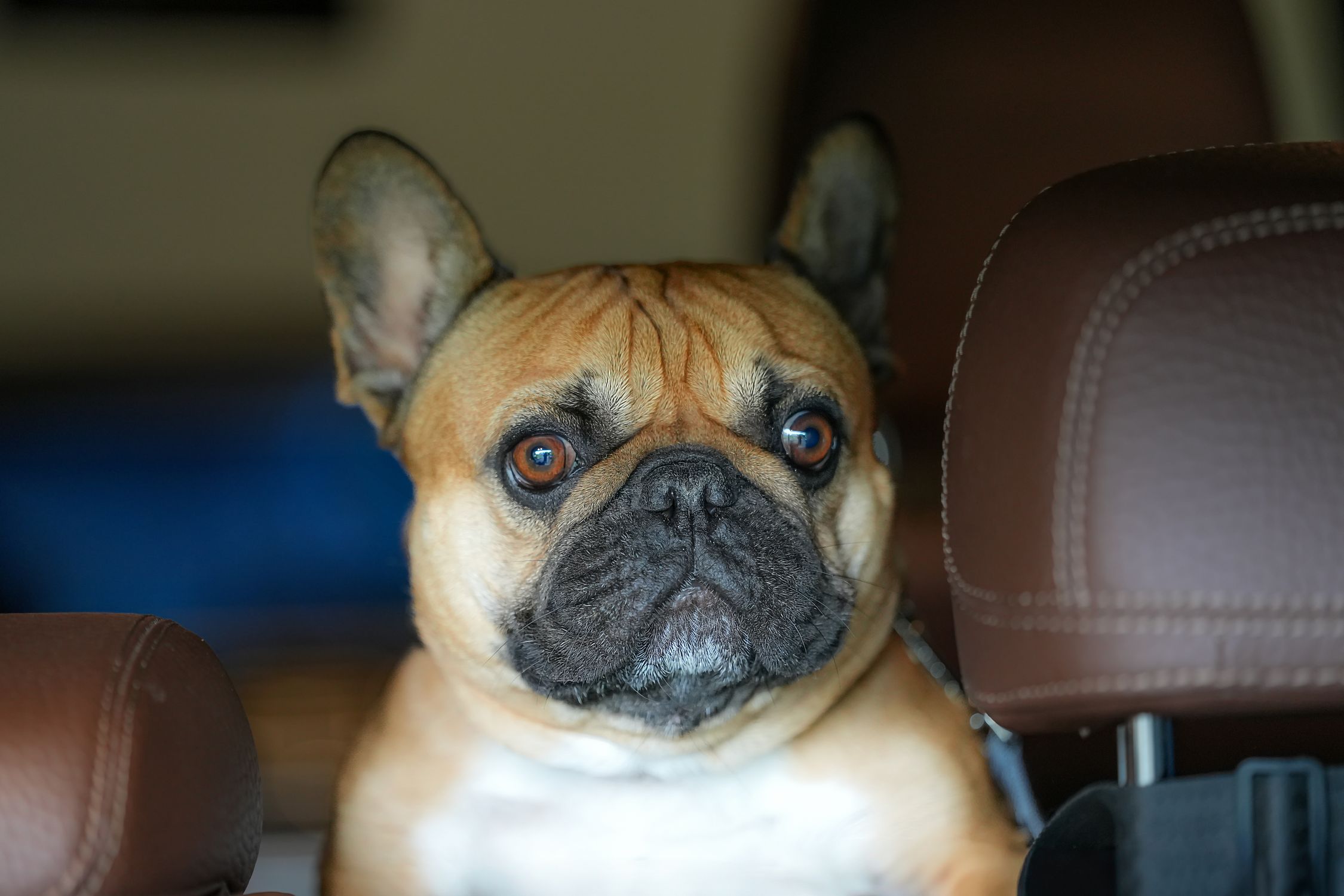
A well‑equipped car keeps your dog safe and your rental clean, avoiding the dreaded cleaning fees — which can run as high as $450 at major brands (source: BringFido pet‑friendly car rental guide). Below are three vetted harnesses worth building your kit around:
- Sleepypod Clickit Sport Plus – Crash‑Tested Car Seat Belt Harness, Medium – 5‑Star Center for Pet Safety rating, 3‑point restraint, reflective strips. Ideal for medium‑size dogs; premium price but unmatched crash protection, and it doubles as a walking harness once you reach the trailhead.
- Sleepypod Clickit Sport Plus – Crash‑Tested Car Seat Belt Harness, Small – Same certification for dogs 12–25 lb; vest‑style padding for comfort on long drives, and it clips into any standard rear seatbelt.
- Kurgo Enhanced Strength Tru‑Fit Dog Car Harness – Large – Budget‑friendly, crash‑tested up to 75 lb, all‑steel buckles, dual D‑rings for leash attachment, with five adjustment points to fit larger, broader‑chested breeds.
In addition to a harness, bring a collapsible water bowl, portable pet waste bags, a short 6‑ft leash, and a lightweight, washable seat cover to protect upholstery from sand and hair. A dog cooling mat (see our related guide) can keep your pup comfortable during hot midday stops, especially if you’re traveling outside the early‑June or September comfort window.

Route Planning & Pet‑Friendly Beaches
A Great Lakes shoreline loop with a dog is really a chain of pet‑friendly stretches connected by long highway legs, so plan the beach stops first and let the rental pickup and drop‑off airports (Detroit, Chicago, or Traverse City) bookend the trip. Sleeping Bear Dunes National Lakeshore, Pictured Rocks National Lakeshore, Warren Dunes State Park, and Indiana Dunes National Park all include pet‑friendly beach or trail sections, but each has its own pet map and its own restricted zones, so treat every stop as its own mini‑itinerary rather than assuming one park’s rules carry over to the next.
At Sleeping Bear Dunes, build your visit around the leashed‑dog‑friendly stretches and steer clear of the April 15–August 15 seasonal closure south of Esch Road, plus the year‑round no‑dog zones at the Dune Climb, the Maritime Museum grounds, North Bar Lake, Platte Point Beach, and the Manitou Islands. At Pictured Rocks, Warren Dunes, and Indiana Dunes, pull up each park’s current pet map before you arrive, since pet‑friendly and pet‑restricted beaches sit block by block rather than park by park.
Whichever order you drive the loop, plan for a vacuum stop before you return the car — sand clings to fur far more stubbornly than regular dirt, and skipping this step is the single most common way dog owners end up paying the cleaning fee they were trying to avoid.
Common Mistakes to Avoid (FAQ Style)
Q: Can I leave my dog unattended in the rental while I stretch my legs? A: No. Most companies, including Enterprise, require pets to be supervised at all times. Leaving a dog alone can also trigger cleaning fees if the animal soils the interior.
Q: Do I need to add my dog to the reservation to avoid penalties? A: Not always. Alamo doesn’t require a pet entry, but calling ahead reduces the chance of a surprise “pet‑policy” charge. Hertz and Avis prefer you mention the pet so they can note any optional accessories like the protective grid.
Q: Will a pet‑friendly SUV guarantee more space for gear? A: An SUV gives you extra cargo room, but the higher daily rate ($65‑$110) and peak‑season surcharges can outweigh the benefit if you travel light. An economy car with a well‑packed seat cover often suffices.
Q: Are cleaning fees always that high? A: Fees can climb to $450 at major brands when hair, odor, or sand is evident (source: BringFido pet‑friendly car rental guide). A quick interior vacuum and a protective seat cover dramatically lower this risk.
Q: Is the 6‑ft leash rule universal? A: Yes. Sleeping Bear Dunes, Indiana Dunes, and Warren Dunes all enforce a maximum leash length of six feet. Carry a shorter leash for tighter control near nesting sites, and never tie your dog to an object and walk away — Sleeping Bear Dunes explicitly prohibits it.
Related Reading
Get price-drop alerts and new guides from DogTripGuide
One email a week: price drops on the gear we recommend, new guides, and what changed. No spam, unsubscribe anytime.