Renting a Car for a Dog Road Trip in Florida 2026 Guide
A 2026 step-by-step guide for dog parents renting a car in Florida, covering costs, insurance, heat safety, the Overseas Highway, and pet-friendly tips.

This post may contain affiliate links. Disclosure
Florida’s endless coastline, palm-shaded streets, and quirky towns make it a top destination for dog-friendly road trips. Yet renting a car with a canine companion adds a layer of planning that many travelers overlook. From pet policies that differ by brand to soaring interior temperatures and the unique challenges of the Overseas Highway, the details matter. This 2026 guide walks you through every decision point - costs, insurance, safety gear, and on-the-road habits - so you and your dog can enjoy a smooth, stress-free adventure from Tampa to Key West.
Quick answer: Florida’s major rental firms differ sharply on pets: Enterprise and Alamo require non-service pets to stay crated for the whole rental and charge cleaning or detailing fees for hair, while Avis, Hertz, Budget, and Easirent set their own terms. Heat, keys locked in hot cars, and the Overseas Highway are the road realities.
Choosing the Right Rental Company
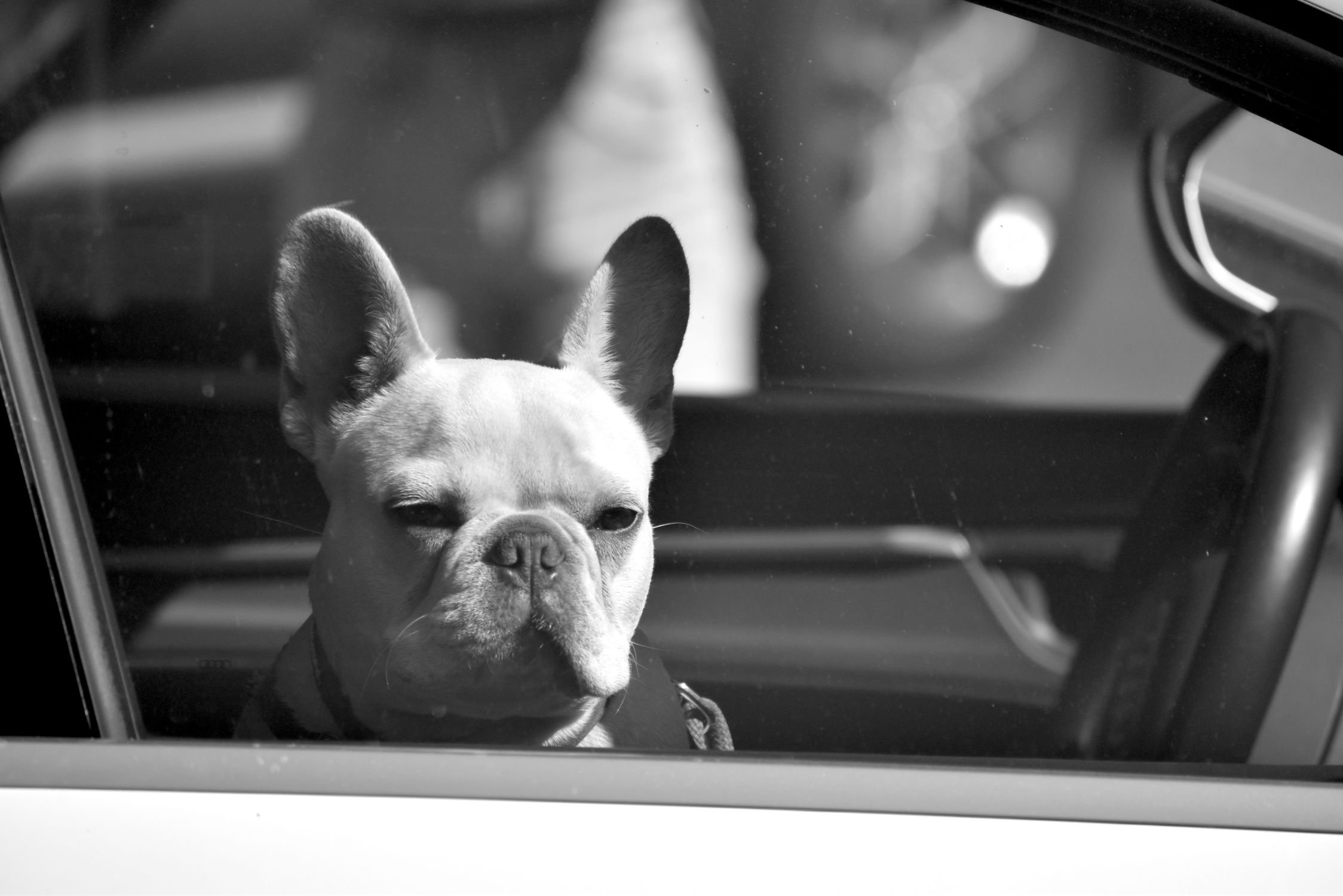
Florida’s major rental firms - Enterprise, Alamo, Avis, Hertz, Budget, and independent brand Easirent - each have a distinct pet policy. Enterprise and Alamo require non-service pets to stay crated for the duration of the rental and will charge cleaning or detailing fees if hair, dander, or odor remain after return, according to Enterprise and Alamo. Avis and Hertz are a bit more relaxed: they allow dogs and cats out of crates but still expect a spotless, odor-free interior, according to Avis. Easirent limits its fleet to cats and small dogs only, mandating carriers at all times and typically levying a $250 cleaning fee for any pet residue, according to Easirent.
If you travel with a medium- or large-breed dog, Enterprise, Alamo, Avis, or Hertz are your only options. For a budget-focused trip with a tiny terrier, Easirent can shave a few dollars off the daily rate, but the carrier requirement may feel restrictive. When you book, capture a photo of the interior at pickup; this visual proof can protect you from disputed cleaning charges later.
Beyond the crate rule, think about how each brand’s policy interacts with your itinerary. A Tampa-to-Key-West loop with a large dog rules out Easirent entirely, while a short Orlando weekend with a carrier-trained cat or small dog opens up its lower daily rate as a real option worth comparing against the majors.
Quick comparison
| Company | Crate Required? | Size Limits | Typical Daily Rate (economy) |
|---|---|---|---|
| Enterprise | Yes (non-service) | All sizes | $35-60 |
| Alamo | Yes (non-service) | All sizes | $35-60 |
| Avis | No | All sizes | $35-60 |
| Hertz | No | All sizes | $35-60 |
| Budget | Varies - check at booking | All sizes | $35-60 |
| Easirent | Yes (carrier) | Small dogs & cats | $35-60 (often lower) |
The table above is a starting point, not a substitute for confirming your specific reservation’s terms - fleet policy can vary slightly by location even within the same brand. When you’re ready to compare real-time prices, the DiscoverCars platform aggregates rates from all these brands and shows any one-way fees that could add $100-300+ to a week-long itinerary.
Understanding Costs and One-Way Fees

The baseline for an economy car in Florida sits between $35 and $60 per day on a seasonal average, but the true expense often hides in ancillary fees. One-way rentals - dropping the car off in a different city from where you picked it up - can tack on $100-300+ depending on distance and demand. For a classic Keys loop (Miami to Key West to Orlando), expect the higher end of that range.
Cleaning fees are another hidden cost. Major brands can assess up to $450 for pet hair, dander, or lingering odor, according to Hola Car Rentals. Enterprise and Alamo typically charge a cleaning fee only after inspection, while Avis and Hertz may add a flat odor-removal surcharge. Easirent’s policy is explicit: a $250 cleaning fee if any pet residue is detected.
Cost-saving tips
- Return the car spotless - vacuum seats, wipe surfaces, and use a rear-seat hammock or cover (see the gear section below).
- Document the interior - a timestamped photo at pickup and another at return creates a clear record.
- Avoid one-way surcharges - if your itinerary permits, pick up and drop off in the same city, or use a local shuttle to return the vehicle.
- Check for pet-friendly discounts - some regional branches list a modest daily pet fee, but it’s often cheaper to absorb the cleaning-fee risk yourself by keeping the car clean throughout the trip.
Run these numbers against your actual itinerary before you book. A three-night Tampa stay with no one-way drop-off looks nothing like a two-week Miami-to-Orlando loop once you add up daily rate, cleaning-fee risk, and any one-way surcharge together.
Insurance Basics for Florida Road Trips

Florida is a no-fault insurance state, meaning your personal auto policy’s Personal Injury Protection (PIP) may extend to a rental, but the specifics vary by insurer. Before you add the optional Collision Damage Waiver (CDW) at the counter, verify two things:
- Personal policy coverage - many credit cards already provide secondary collision coverage for rentals, so check your card’s benefits guide before paying for duplicate protection.
- PIP limits - confirm whether your policy’s PIP applies to a rental vehicle; some carriers treat rentals as a separate risk and require an add-on.
The CDW is an optional add-on, not a requirement to rent, but skipping it without confirming your own coverage first is a real financial risk on unfamiliar roads - especially on the Overseas Highway, where sudden stops on narrow bridges are common and a rental company’s own coverage may be the simplest safety net if your personal policy doesn’t clearly extend to rentals.
For peace of mind, download the Florida DHSMV - Drive Safe and Stay Cool guide. It outlines state-specific insurance nuances and heat-related safety recommendations that intersect with vehicle protection.
Road Realities: Heat, Keys, and the Overseas Highway

Even on a mild 80-degree day, a parked car’s interior can skyrocket to 115 degrees within minutes, windows cracked or not, according to Visit Florida Keys. This rapid heat gain makes leaving your dog unattended in a vehicle a lethal risk. Monroe County law explicitly permits animal control or law enforcement to remove pets from unattended vehicles for safety. Always park in shaded spots, keep windows slightly open, and never leave your dog alone, even for a short errand.
The Overseas Highway (US-1) stretches 113 miles through the Keys, crossing 42 bridges on a mostly two-lane road, according to Road Trip Locals. Traffic can be slow, especially near popular stops like Key Largo and Marathon. Plan extra travel time, and use a GPS that works offline - cell service drops between islands. Download maps before you set out; the offline option prevents navigation failures that could force you onto unfamiliar side roads.
Dog-friendly beach etiquette in the Keys is strict. Monroe County requires dogs to be leashed and under direct control in all public areas, including the two designated dog beaches - Sombrero Beach and Coco Plum Beach in Marathon. Both beaches are also sea turtle nesting sites, so leashed dogs must stay off marked nesting areas, according to Coco Plum Vacation Rentals. Early morning or late evening visits reduce heat exposure and respect nesting schedules.
What to Pack: Safety Gear and Comfort Essentials

A well-prepared dog road trip hinges on the right gear. Below are three vetted products worth packing for a Florida trip.
- Sleepypod Clickit Sport Plus - Crash-Tested Car Seat Belt Harness, Medium - Offers a 5-Star Center for Pet Safety rating, three-point restraint, and reflective strips. Ideal for medium-size dogs needing top-tier crash protection.
- Sleepypod Clickit Sport Plus - Crash-Tested Car Seat Belt Harness, Small - Same certification for dogs 12-25 lb, with vest-style padding for comfort on long drives.
- Kurgo Enhanced Strength Tru-Fit Dog Car Harness - Black, Large - Budget-friendly crash-tested harness for dogs up to 75 lb, featuring all-steel nesting buckles and a dual-leash attachment.
In addition to a harness, pack a rear-seat hammock or waterproof seat cover that anchors to the headrests; it protects upholstery from sand, water, and hair - a real concern given the cleaning fees outlined above. Bring a portable pet water bottle with a built-in bowl, a foldable cooling mat for rest stops, and a crate or carrier if you’re renting from Enterprise, Alamo, or Easirent. Finally, keep a basic first-aid kit (bandages, antiseptic wipes, tweezers for ticks) and a copy of your dog’s vaccination records in case you need to visit a vet along the way.
Keeping Your Car Pet-Friendly on the Road
Even with the right gear, daily habits make the difference between a smooth rental return and a costly cleaning bill. Here are proven routines:
- Secure the dog. Use a crash-tested harness or a sturdy crate. An unrestrained dog becomes a projectile in a sudden stop, endangering both driver and passenger.
- Cover the seats. A hammock or cover catches sand from beach stops and prevents hair from embedding in upholstery. Add a waterproof layer for wet paws.
- Ventilate wisely. On hot days, park in shade, crack windows a few inches, and use a sunshade on the windshield. Never leave the dog unattended.
- Vacuum regularly. A quick handheld vacuum after each major stop removes loose hair before it embeds in the upholstery.
- Document the condition. Take a photo of the interior at pickup and another after each day’s adventure. If a cleaning charge appears, you have evidence to dispute it.
- Plan bathroom breaks. Use rest areas with pet-friendly facilities early in the morning or late evening to avoid midday heat.
Following these steps not only protects your rental’s interior but also keeps your dog comfortable and safe throughout the journey. None of them require special equipment beyond what’s already in the What to Pack section above - it’s mostly a matter of building the habit into your daily routine before you get back on the road, whether that’s a quick Tampa errand or a multi-day push down the Overseas Highway.
Common Mistakes to Avoid (FAQ)
Q: Can I leave my dog in the car while I grab a quick snack? A: No. Even with windows cracked, interior temps can hit 115 degrees in minutes, according to Visit Florida Keys. Leaving a dog unattended is illegal in Monroe County and can result in removal by authorities.
Q: Do I need to buy the Collision Damage Waiver? A: Only if your personal auto policy or credit card does not already cover rentals. Confirm your existing coverage before paying for something you may already have.
Q: Is a regular seat belt loop safe for my dog? A: No. Loose loops turn dogs into projectiles. Use a crash-tested harness or a crate that can be secured with the vehicle’s seat belt anchors.
Q: Will my dog be allowed on all Florida beaches? A: Not all. In the Keys, dogs must be leashed and stay off sea-turtle nesting zones at Sombrero and Coco Plum beaches. Check local regulations before each stop, since rules vary by county and beach.
Q: How do I handle one-way fees? A: They can add $100-300+ to a week-long trip. If possible, return the car to the same location, or use a local shuttle service to avoid the surcharge.
Q: What if my dog sheds heavily? A: Vacuum daily, use a seat cover, and bring a lint roller. Document the interior condition to contest any cleaning fee that exceeds the typical $250-450 range major brands charge.
By anticipating these pitfalls, you’ll keep the focus on fun rather than fines.
Related Reading
Get price-drop alerts and new guides from DogTripGuide
One email a week: price drops on the gear we recommend, new guides, and what changed. No spam, unsubscribe anytime.