Renting a Car for a Dog Road Trip in the Colorado Rockies 2026
How to rent a car for a Colorado Rockies dog road trip in 2026: age rules, price bands, traction law, crate policies, and safety gear for a smooth trip.

This post may contain affiliate links. Disclosure
Planning a Colorado Rockies road trip with your dog means balancing breathtaking scenery, mountain‑pass safety, and pet‑friendly logistics. In 2026 the rental market at Denver International Airport (DEN) offers a clear price ladder, but the details—age surcharges, crate rules, and the state’s traction law—can catch first‑time renters off guard. This guide walks you through every decision point, from choosing the right vehicle class to packing the gear that keeps your four‑legged companion secure and comfortable on high‑altitude highways, so you can spend more of the trip looking at the view instead of reading the fine print.
Quick answer: For a Colorado Rockies dog road trip in 2026, Denver International Airport offers a clear rental price ladder, but the details decide the trip: age surcharges, crate requirements written into pet policies, and Colorado’s traction law on I-70 passes. This guide covers pricing, documentation, insurance, and Trail Ridge Road realities.
Rental Company Overview & Pricing
Denver’s major rental firms—Alamo, Avis, Budget, Enterprise, Hertz, and National—all operate out of the same terminal, yet their daily rates differ enough to affect your budget. An economy car typically starts around $51 /day before taxes, while a compact nudges up to $53 /day. After fees, expect a total of $55‑75 /day for economy models. If you need extra cargo space for a dog crate, a midsize SUV lands in the $100‑150 /day range.
Because demand spikes during ski season (December‑March) and the summer window for Rocky Mountain National Park (late May‑mid‑October), booking early can shave $10‑20 off the daily rate. When you’re ready to compare, the aggregator DiscoverCars pulls real‑time quotes from all six companies, letting you lock in the best price before the mountain crowds arrive. If your trip spans both a ski week and a summer park visit, price out both seasons separately — the swing between a quiet shoulder‑season week and a peak‑demand weekend can be larger than the difference between an economy car and an SUV.
Age & Documentation Requirements
All renters at DEN must be 21 or older. Drivers aged 21‑24 incur a $25 /day underage surcharge—a cost that quickly adds up on a week‑long trip. A valid driver’s license is mandatory for every listed driver.
If you travel with a co‑driver, make sure both names appear on the reservation; many companies refuse to extend coverage to an unlisted passenger, which could leave you liable for any accident. Keep your insurance card and a copy of the rental agreement in the glove compartment; you’ll want them on hand if you’re asked about your traction‑device setup during a mountain‑pass stop.
Crate Policies & Pet Protection Options
Each rental brand handles pets differently:
- Alamo, Enterprise, National – Require pets to travel in a crate or carrier. National Car Rental’s pet policy requires pets to be kept in a crate or carrier and charges cleaning or detailing fees if hair is left behind.
- Avis, Budget – No formal crate rule, but they recommend a crate to avoid cleaning fees. Avis can charge up to $450 for pet hair, odors, or damage.
- Hertz – Supplies protection grates that let dogs sit in the back seat without a crate, yet they still bill for hair or damage (rental car pet policy roundup).
Regardless of the brand, a pet seat cover or hammock is a smart investment. It eliminates the risk of a $250‑plus cleaning fee (Enterprise) and protects the vehicle’s upholstery from muddy paws.
If you prefer a crate‑free experience, Hertz’s grates are the only built‑in solution; otherwise, bring a sturdy, airline‑approved carrier that fits in the back seat and complies with the company’s crate requirement. For a guaranteed crate‑friendly pickup without extra phone calls, Enterprise, Alamo, or National are the safer bet since their crate policy is explicit rather than a recommendation.

Insurance & Traction Law Essentials
Mountain passes demand more than a standard collision waiver. Collision Damage Waiver (CDW) is strongly recommended for any trip that includes I‑70’s high‑altitude sections, especially when snow or ice is likely. Before you sign, ask the agent whether the rental agreement excludes coverage on unplowed, unpaved, or backcountry forest roads—some contracts do, leaving you exposed on off‑road detours.
Colorado’s Traction Law runs from September 1 to May 31 on the I‑70 Mountain Corridor (Dotsero → Morrison) and can be activated on other highways during storms, per the Colorado Department of Transportation. Under the updated SB25‑069 rule, 2WD vehicles must carry tire chains or an approved alternative traction device (ATD) regardless of tire type.
Here’s the catch: most rental contracts prohibit installing tire chains on their vehicles, according to AutoSlash. The state law, however, still requires compliance. The safest approach is to ask the rental counter directly whether chains or ATDs are permitted on the specific model you’re renting before you hit the mountain. If the company says “no,” consider upgrading to a 4WD SUV where chains are often allowed, or bring an ATD that the rental agency has pre‑approved. This is one of the few places where the rental contract and state law genuinely conflict, so get the answer in writing at the counter rather than assuming either side will bend for you mid‑trip.
Road Realities: I‑70 Passes & Trail Ridge Road
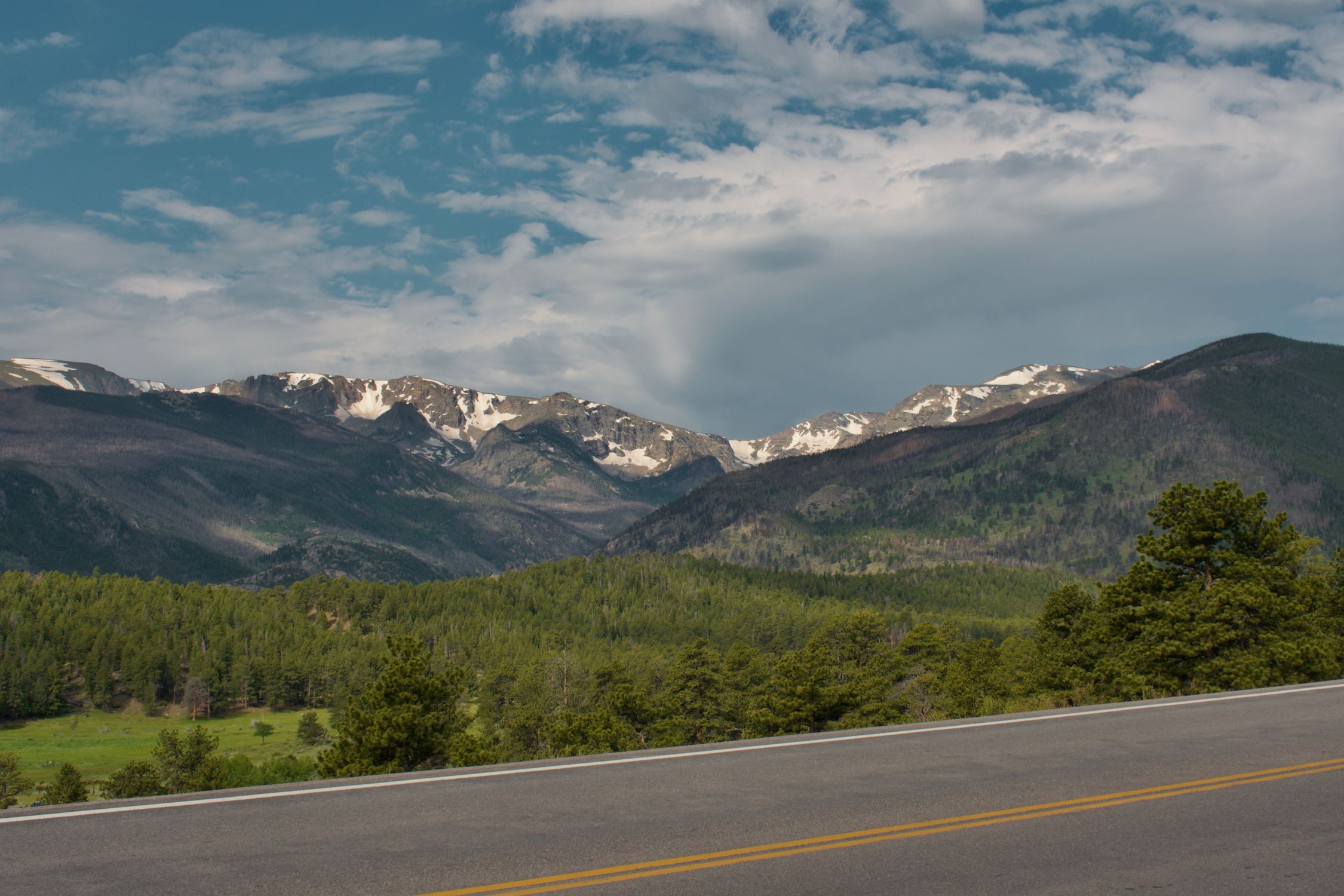
I‑70 is the main artery through the Rockies. From Dotsero to Morrison, the highway climbs above 11,000 ft, where weather can change in minutes. Even a 2WD sedan can make the trip if you have chains or an ATD, but remember the rental‑company conflict described above. Keep an eye on the CDOT traction‑law page for real‑time chain requirements and road closures.
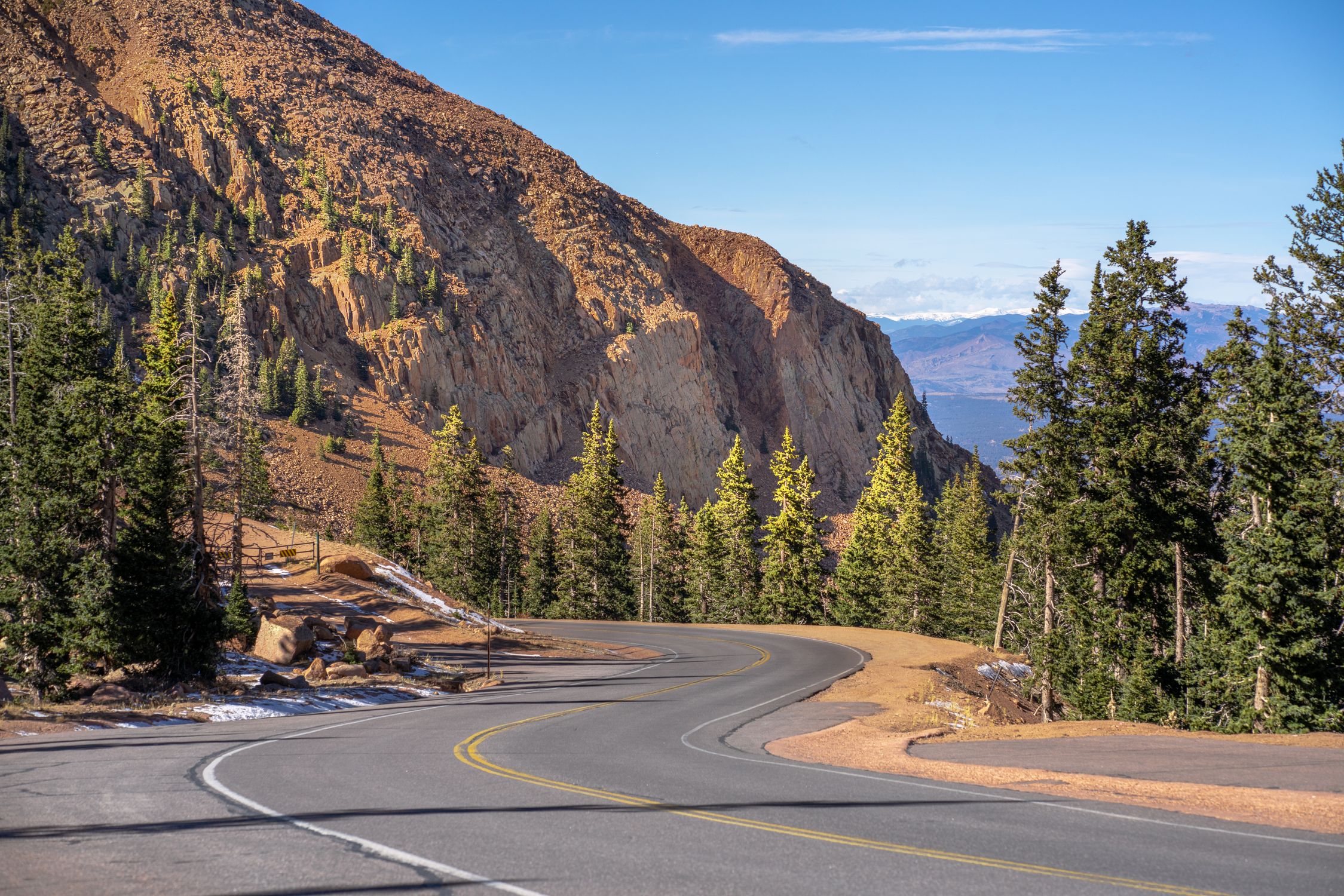
When you reach Rocky Mountain National Park, the iconic Trail Ridge Road offers panoramic views at 12,183 ft, the highest continuously paved road in the United States, according to the National Park Service. The road is open late May through mid‑October and requires a Timed Entry Permit during the park’s in‑season entry window. Permits are separate from the standard park entrance pass, so reserve yours before you land to avoid a full day of waiting at the gate.
A typical day on Trail Ridge Road looks like this: start early, pull over at designated overlooks for photo ops, and keep your dog leashed. Even though the road is fully paved, altitude can affect your dog’s breathing; bring water and watch for signs of fatigue, and plan for more frequent rest stops than you would at sea level. Because Trail Ridge Road is closed outside its late‑May‑to‑mid‑October window, check the park’s road status page before you build the rest of your itinerary around it.
What to Pack
A well‑packed car keeps both driver and dog safe. Below are three vetted products that fit into any vehicle size.
Sleepypod Clickit Sport Plus – Crash-Tested Car Seat Belt Harness, Medium – Offers a 5‑Star Center for Pet Safety rating and a three‑point restraint system that distributes crash forces evenly. Ideal for medium‑sized dogs who need the highest certified protection, and it doubles as a walking harness at trailhead stops.
Sleepypod Clickit Sport Plus – Crash-Tested Car Seat Belt Harness, Small – Same 5‑Star certification scaled for dogs 12–25 lb. The vest‑style padding keeps smaller pups comfortable on long drives and clips into any standard rear seatbelt.
Kurgo Enhanced Strength Tru‑Fit Dog Car Harness – Large – A budget‑friendly, crash‑tested option for dogs up to 75 lb. Features all‑steel nesting buckles and a dual‑leash attachment for extra control, with five adjustment points for a snug fit on broader‑chested breeds.
In addition to a harness, pack a water‑resistant seat cover, a portable water bowl, poop bags, and a compact pet first‑aid kit. If you’re traveling September‑May, include tire chains or an ATD that the rental company has approved, and keep a blanket for extra warmth at high elevations. None of this gear substitutes for confirming the chain/ATD question at the counter — pack the device, but still get the rental company’s answer before you leave the lot.
Layering matters more in the Rockies than in a typical road‑trip kit: overnight temperatures at elevation can swing far below the daytime high, even in the shoulder seasons around Trail Ridge Road’s late‑May opening and mid‑October closing. A blanket that seems unnecessary at the rental counter in Denver can become essential once you’re parked at a trailhead above 9,000 feet after sunset.
Common Mistakes to Avoid (FAQ)
Q: Can I install chains on a rental car if the law requires them? A: Not automatically. Colorado law mandates chains for 2WD vehicles from September 1 to May 31, but most rental agreements forbid chain installation. Always confirm with the counter whether the specific vehicle can be equipped with chains or an ATD before you leave the airport.
Q: Do I need a crate if I’m renting from Avis? A: Avis does not require a crate, but they can charge up to $450 for pet hair or odor removal. Using a crate or a high‑quality seat cover eliminates that risk.
Q: Will my CDW cover damage from driving on an unplowed road? A: Some CDW policies exclude “unplowed, unpaved, or backcountry forest roads.” Ask the agent for a written clarification; otherwise, consider purchasing supplemental coverage.
Q: Is a Timed Entry Permit the same as the park entrance pass? A: No. The Timed Entry Permit controls access to Trail Ridge Road during its seasonal window and must be reserved separately from the general park pass, per the National Park Service.
Q: What if my dog gets motion‑sick at high altitude? A: Bring a vet‑approved anti‑nausea medication and keep the car well‑ventilated. Frequent breaks at pull‑outs let your dog stretch and hydrate.
Q: Which rental company should I pick if I don’t want to research crate rules? A: Enterprise, Alamo, or National are the simplest choices — all three have an explicit crate‑or‑carrier requirement rather than a vague recommendation, so you know exactly what to bring before you arrive.
By planning around these pitfalls, you’ll avoid surprise fees, legal headaches, and stressful moments—leaving more time for mountain vistas and tail‑wags.
Related Reading
Get price-drop alerts and new guides from DogTripGuide
One email a week: price drops on the gear we recommend, new guides, and what changed. No spam, unsubscribe anytime.