Dog-Friendly Vancouver 2026: A Complete Guide for Dog Parents
Explore Vancouver's 2026 dog-friendly scene: off-leash parks, leashed trails, beach zones, transit tips, alpine hikes, and responsible-ownership advice.

This post may contain affiliate links. Disclosure
Vancouver is a city that truly embraces four-legged family members, offering a blend of urban walkways, seaside promenades, and alpine trails that most major metros simply cannot match. In 2026 the city hosts roughly 36 to 39 officially designated off-leash dog areas, an estimated dog population of 32,000 to 55,000, and a clear set of bylaws that keep everyone safe. The city’s People, Parks, and Dogs Strategy — adopted in 2017 and actively updated — reflects decades of policy work to give dogs and their owners equitable access to green space. Whether you are planning a weekend stay or a longer road trip, this guide walks you through where to let your pup run free, where leashes are required, how to navigate public transit, and which nearby mountains welcome dogs on summer hikes. Let us turn Vancouver into your dog’s playground while keeping the experience smooth for you and respectful of local regulations.
Quick answer: Vancouver blends urban walkways, seaside promenades, and alpine trails in a way few major cities match. In 2026 the city has roughly 36 to 39 officially designated off-leash dog areas. Stanley Park is the on-leash crown jewel, beach access is seasonal, and Grouse Mountain puts alpine hiking within about 30 minutes.
Why Vancouver Is a Dog-Friendly Destination
Vancouver’s reputation as a “city of parks” is backed by a 1,001-acre urban forest, a 27 km network of paved trails, and a coastline that stretches for miles. The city’s People, Parks, and Dogs Strategy 2025 highlights that dogs are among the most common household companions — a fact confirmed by a city-commissioned survey estimating 32,390 to 55,947 dogs living within city limits. This density fuels a robust infrastructure: from off-leash zones scattered across neighbourhoods to beach dog zones at Hadden Park and Spanish Banks. The municipal commitment to responsible dog ownership means every dog over three months must be licensed, with 2026 license fees set at $68 per year for standard registrations. Fines for bylaw violations range from $250 to $10,000, reinforcing a culture of respect for both pets and people.
Beyond the city core, the surrounding Metro Vancouver region adds another layer of adventure. Fourteen regional parks give leashed dogs access to forested trails, while the nearby BC Parks system opens alpine routes at Grouse Mountain, Cypress Mountain, and Mount Seymour during the summer months. In winter 2026, the Park Board approved concept plans for new fenced dog off-leash areas at WC Shelly Park and Burrard Slopes Park — evidence that the city’s investment in dog-friendly infrastructure is ongoing. All of this makes Vancouver a rare major city where a downtown stroll can transition into a mountain hike without a long drive.
For a broader look at dog-friendly travel across Canada, check out our Dog-Friendly Canada Travel guide.

Off-Leash Zones Across the City
Vancouver’s official off-leash dog areas are listed on the City of Vancouver — Official Dog Off-Leash Areas page. The current count sits between 36 and 39 locations, but they are not evenly distributed. Dense neighbourhoods like the West End receive only about 2 sq ft of off-leash space per dog household, a stark contrast to more spacious districts such as Kitsilano or Mount Pleasant. For a searchable directory, visit LeashFree.ca’s Vancouver page.
Key Off-Leash Spots
| Area | Neighbourhood | Highlights |
|---|---|---|
| Pacific Spirit Regional Park (off-leash section) | University Endowment Lands | Forested loops, shade, and a creek. |
| John Hendry Park (Trout Lake) | East Vancouver | Large lake perimeter, water-play area. |
| Kitsilano Beach Off-Leash Zone | Kitsilano | Near the seawall, great for post-swim play. |
| Spanish Banks Dog Zone | West Point Grey | Sandy beach, sunrise walks. |
| Hadden Park | Kits Beach | Small but well-maintained, easy beach access. |
Because the off-leash network is limited in denser neighbourhoods, many dog parents opt for on-leash walking in the city’s extensive park system, which is permitted everywhere unless signage says otherwise. If you are staying in a neighbourhood with limited off-leash space, consider a short drive to the nearest designated area or schedule a day trip to one of the regional parks that allow off-leash running in specific zones.
On-Leash Parks, Trails, and Beaches
Leashed dogs are welcome in all Vancouver parks and at most beaches, unless a sign explicitly restricts them. This policy opens up a wealth of scenic routes for families who prefer to keep a leash in hand.
Stanley Park — The Crown Jewel
Stanley Park is a 1,001-acre urban forest with 27 km of multi-use trails and an 8.8 km seawall that circles the peninsula. Dogs are allowed on a leash throughout the park, making it one of the most popular dog-walking routes in Canada. Early mornings are ideal: cooler temperatures, fewer crowds, and the chance to watch sunrise over Burrard Inlet. The park provides waste stations at regular intervals along the seawall, so you will never be more than a few minutes from a bag dispenser.
Beach Access
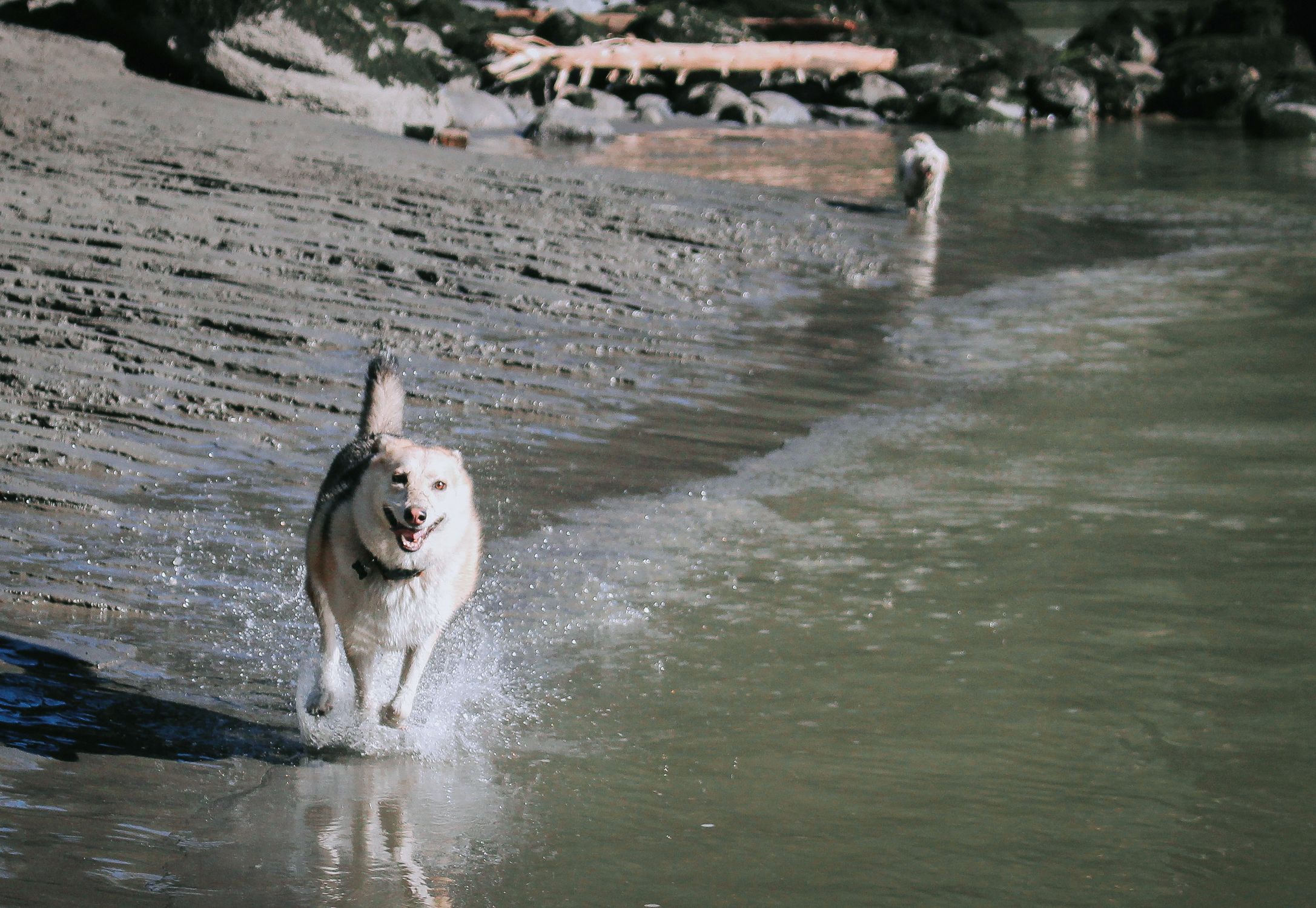
- Hadden Park near Kits Beach — Designated off-leash beach area, perfect for summer splashes in the calm water.
- Spanish Banks Dog Zone — A larger sandy stretch where leashed dogs can roam close to the water; off-leash is permitted only within the fenced zone during designated hours.
- Kitsilano Beach (Leash-Required Zone) — Dogs on a leash are allowed on the western side; the eastern side is dog-free.
All beach rules are posted on the City of Vancouver — Parks Department site and are updated seasonally. Check before you go, especially during breeding season for shorebirds, when temporary closures can apply.
Other Urban Green Spaces
- Queen Elizabeth Park — Leashed dogs can enjoy the landscaped gardens and the panoramic view from the highest point in the city, elevation 167 m.
- Pacific Spirit Regional Park — While most of the park is leashed, a small off-leash section near the University of British Columbia campus offers a forested escape with shaded trails.
- Mount Pleasant’s Guelph Park — A compact neighbourhood park with a fenced off-leash corner, popular on weekday mornings.

Getting Around with Your Dog
Public transit in Vancouver presents a unique challenge: TransLink requires all pets (except service animals) to travel in small, fully enclosed carriers that fit on your lap. Dogs cannot ride freely, even on a leash. The policy is enforced on SkyTrain, SeaBus, and most bus routes. As of 2024, a public petition with over 4,000 signatures called for policy reform, but the rule remained in place heading into 2026. Plan your transit strategy before you arrive to avoid surprises.
Practical Workarounds
- Rideshare services — Uber and Lyft drivers often allow well-behaved dogs in the vehicle, especially if you bring a portable carrier or a travel crate. Some drivers list “pet-friendly” in their profile; you can filter for them in the app.
- Biking the Seawall — Many cyclists attach a dog-specific bike trailer or a sturdy basket. Vancouver’s bike-share program (Mobi) allows you to rent a bike and attach your own carrier, keeping your pup safe while you enjoy the 8.8 km waterfront route.
- Walking the Seawall — The most dog-friendly way to experience the waterfront. Leashed dogs can walk the entire 8.8 km seawall loop, passing numerous water fountains and waste stations. Plan for approximately two to three hours at a relaxed pace.
- Car rentals — If you plan to explore beyond the downtown core, renting a car gives you maximum flexibility. Most rental agencies allow pets, but it is courteous to bring a seat cover and keep the vehicle clean.
For a deeper dive into Pacific Northwest road-trip ideas with your dog, read our Pacific Northwest Road Trip with Dog guide.
Alpine Adventures Within 30 Minutes
One of Vancouver’s standout features is its proximity to alpine terrain. Within a half-hour drive from downtown, you can reach three major mountain areas that welcome leashed dogs on summer trails. All three operate under BC Parks — Visiting Parks with Pets guidelines, which permit leashed dogs on most trails but prohibit them from ecologically sensitive zones and all campfire areas.
Grouse Mountain
- Dog-friendly trails — The Grouse Grind (“Mother Nature’s Stairmaster”) is off-limits to dogs, but the Lower Trail and Lions Trail are leashed-friendly during summer months.
- Facilities — Water bowls at the base, waste stations, and a dog-friendly cafe that serves pup-approved treats. The gondola to the summit does not permit dogs.
Cypress Mountain
- Dog-allowed paths — The Cypress Creek Trail and Murray Ridge are leashed-only. Dogs must be kept on a short leash (maximum 2 m) due to wildlife considerations including bears and mountain goats in the upper zones.
- Seasonal note — Trails close to dogs during the winter ski season and during specific wildlife protection periods. Always double-check conditions before driving up.
Mount Seymour Provincial Park
- Summer access — The Mount Seymour Trail and Lynn Headwaters allow leashed dogs from late May through early October. The park’s dog-friendly picnic area provides a perfect spot for a post-hike snack and rest before the drive back.
- Restrictions — No dogs in backcountry campgrounds or in any area marked as “Ecologically Sensitive.” These restrictions are strictly enforced during nesting and breeding seasons.
Always double-check the latest trail conditions on the BC Parks website before you head out, particularly after heavy rainfall when trail closures can be issued at short notice.

Regional Parks and Seasonal Wildlife Closures
Beyond the city’s municipal parks, Metro Vancouver manages 14 regional parks that provide extensive trail networks across Greater Vancouver. Dogs are allowed on-leash on all trails, but there are important seasonal restrictions. The Metro Vancouver — Dogs in Regional Parks page is updated regularly and is the authoritative source.
- Wildlife Protection Zones — Certain sections of Capilano River Regional Park and Burnaby Lake Regional Park close to dogs during breeding seasons for birds and other wildlife. Signage will indicate “No Dogs” periods, typically running from April through July.
- Off-leash running — Generally prohibited across all regional parks, except in a few designated zones such as the Dog Off-Leash Area at Deer Lake (open only from May 1 to September 30).
- Pet waste — All regional parks require owners to pick up waste; many trailheads provide biodegradable bags, but supplies can run out on busy weekends. Bring your own as a backup.
Planning ahead prevents disappointment, especially if you are targeting a specific trail for a sunrise hike that requires a 5 a.m. start when park staff are not yet on-site to answer questions.
Tips for Responsible Dog Ownership in Vancouver
Traveling responsibly ensures that Vancouver remains a welcoming city for all dog owners. Here are the essentials you should know before arrival:
- Licensing — Every dog over three months must be licensed with the City of Vancouver. The 2026 fee is $68 per year for standard registrations. Licenses can be renewed online or at a city service centre. Failure to license can result in escalating fines under the City of Vancouver Responsible Dog Ownership bylaw.
- Leash laws — Keep your dog on a leash unless you are in a clearly marked off-leash area. Even in off-leash zones, be prepared to recall your dog immediately; urban wildlife including raccoons and gulls can trigger an unexpected chase.
- Vaccinations and health — Carry a copy of your dog’s up-to-date vaccination record, especially if you plan to visit veterinary clinics or pet-friendly hotels. Vancouver’s climate can be humid; watch for signs of skin irritation or hotspots after beach visits in warmer months.
- Pet waste — Use the numerous waste stations found throughout parks and beaches. Vancouver provides free biodegradable bags at most trailheads; disposing of waste responsibly keeps the city clean and avoids fines.
- Respect signage — Some beaches and trails have seasonal “No Dogs” signs to protect nesting birds or fragile ecosystems. Ignoring these signs can lead to penalties and, more importantly, harms local wildlife that the entire community works to protect.
The city’s Responsible Dog Ownership page offers a comprehensive checklist and downloadable resources for visitors. Familiarizing yourself with local bylaws not only protects your dog but also helps maintain Vancouver’s dog-friendly reputation for the next visitor who follows you.
Related Reading
Get price-drop alerts and new guides from DogTripGuide
One email a week: price drops on the gear we recommend, new guides, and what changed. No spam, unsubscribe anytime.