Dog-Friendly Vacation Rental Guide 2026: Vet Listings, Avoid Fees
How to vet dog-friendly vacation rentals, decode hidden pet fees, navigate breed rules, and travel safely in 2026 with gear picks and a full checklist.
This post may contain affiliate links. Disclosure
The listing said “pets welcome.” The checkout total said otherwise — $175 pet fee, a 75-lb weight limit your 80-lb Lab doesn’t clear, and a breed restriction buried in page 3 of the house rules. In 2026, more vacation-rental platforms than ever list pet-friendly options, but the fine print hides traps that catch even experienced dog travelers off guard. This guide walks you through how to read every listing like a host, decode what fees are normal versus a red flag, understand the 2022 rule change that affected emotional support animals, and pack the nine items that make hosts say yes — and help you walk away with your full deposit.
Quick answer: A listing that says pets welcome can still hide a $175 pet fee, a 75-pound weight cap, and a breed restriction buried in the house rules. This guide shows how to read a pet-friendly listing properly, what pet fees are normal versus a red flag, what gets dogs denied, and which platforms are best for 2026.
How to Actually Read a Pet-Friendly Listing
The “Pets Allowed” filter on Airbnb and Vrbo is a starting point, not a guarantee. A listing can appear in filtered results while the host has quietly written breed bans, weight caps, or per-night surcharges into the House Rules section that the filter never reads.
On Airbnb, the Pets Allowed filter surfaces any host who has enabled pets in their settings. The actual restrictions — size limits, breed exclusions, maximum number of animals, outdoor-only rules — live in the House Rules tab, not the search result card. You need to scroll past the nightly rate to find them. The filter can also return listings where the host confirmed pets in the past but hasn’t updated their current settings, which is why Airbnb’s own pet-friendly search guide recommends messaging the host before booking.
On Vrbo, the House Rules section is where all pet-specific restrictions live. Vrbo’s pet-friendly rentals filter narrows down the inventory significantly, but weight and breed restrictions are property-level details that only appear inside each listing’s detail page.
The five-step vetting process:
- Read the entire description, not just the headline. Hosts often add a “Pets Welcome” badge at the top, but the body may limit size, breed, or number of animals. Look for phrases like “maximum 25 lb dog” or “no aggressive breeds.”
- Check the House Rules tab. This is where most hosts list extra fees, required pet deposits, and restrictions such as “no pets on balconies” or “no pets on furniture.”
- Search the Q&A section. Previous guests may have asked about pet-friendly amenities, nearby dog parks, or whether the host provides a pet-specific welcome kit — answers reveal what the listing description leaves out.
- Message the host directly before booking. Ask for written clarification on any ambiguous language, especially about outdoor access, fenced yards, breed and weight policies, and any additional charges not listed on the checkout page.
- Verify pet-specific amenities. Does the listing mention a dog crate, pet door, or a nearby dog-friendly beach? If not, you need to bring your own gear — see the gear section below.
Pro tip: Save screenshots of the pet policy page before you book. If a host later disputes a rule, you have documented evidence that predates your stay.

Understanding Pet Fees in 2026: What’s Normal, What’s a Red Flag
Pet fees vary widely, and knowing the market ranges protects you from overpaying — or from being blindsided at checkout.
Airbnb flat-rate fees in 2026 typically run $50-$200 per stay, with a flat-rate average around $100. Per-night pet fees run $10-$30, with 89% of hosts who charge nightly keeping it at $25 or under. What surprises most guests: only about 23% of Airbnb hosts who allow pets charge a separate pet fee at all. The majority absorb cleaning costs into their nightly rate or charge nothing extra. “Pets Allowed” does not automatically mean “cheap” — the fee can appear only at checkout after you’ve already fallen in love with the listing.
Airbnb’s fee cap rule is one of the most useful pieces of policy to know. No host can charge a pet fee higher than the property’s base nightly rate. If the cabin costs $120 per night, the total pet fee for the stay cannot exceed $120. This cap applies regardless of the number of nights. You can read how Airbnb pet fees are structured directly in their host help center.
Vrbo offers three pet-fee structures: per stay, per night, or per pet. Vrbo pet fees also follow the same refund rules as the rest of the booking — if the cancellation policy is non-refundable, the pet fee is non-refundable too. That distinction matters when comparing a Vrbo listing to an Airbnb listing with otherwise similar prices.
Security deposit rules differ between the two platforms. On Vrbo, a host can set a refundable pet deposit completely separate from the nightly fee — you pay it upfront and get it back after a damage-free stay. On Airbnb, hosts cannot require a separate pet security deposit outside of the standard reservation damage protection. Any damage claims go through Airbnb’s resolution system after checkout, which means your card isn’t held; instead, claims are filed after the fact. Knowing which platform’s system you’re on tells you whether to expect a pre-authorization hold on your card.
| Fee Type | Normal Range (2026) | Platform | Red Flag |
|---|---|---|---|
| One-time flat pet fee | $50-$200 | Airbnb | Over the base nightly rate |
| Per-night pet fee | $10-$30 | Airbnb | Over $30/night without explanation |
| Refundable pet deposit | $100-$300 | Vrbo | Non-refundable labeled as deposit |
| Per-pet per-stay fee | $50-$100 each | Vrbo | Not disclosed until checkout |
When you spot any ambiguous fee, request written clarification before confirming the booking.
Breed and Weight Restrictions: What Gets Dogs Denied
Breed and weight restrictions are among the most common reasons a booking falls apart after the guest has already committed emotionally to the property.
Common restricted breeds include Pit Bulls, Rottweilers, German Shepherds, and Dobermans. These restrictions frequently mirror the property owner’s homeowner insurance policy exclusion lists, not personal preference. When a host writes “no aggressive breeds,” they are often copying language directly from their insurer. This means appeals to the host’s goodwill rarely work — the restriction is contractual, not discretionary.
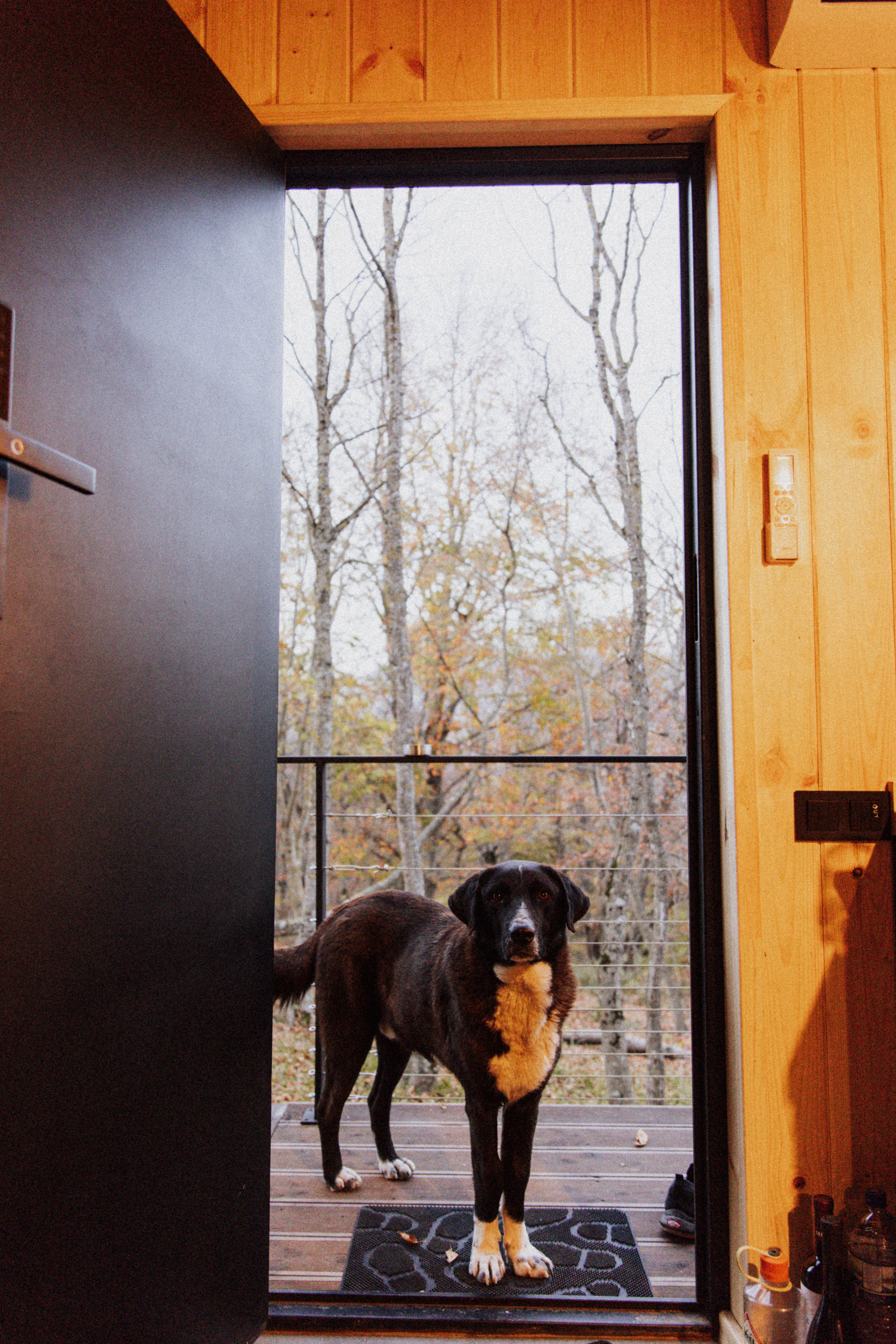
Weight limits at vacation rentals typically range from 25-75 lbs depending on the property. The most common cutoffs are:
- 25 lbs: Small-dog-only properties, often condos or city apartments
- 40 lbs: Mid-range cutoff common in beachside cottages
- 50 lbs: The most frequent single limit on Vrbo listings
- 75 lbs: Large-dog-friendly properties, typically rural cabins or houses with yards
These limits will not surface in search filters. The Pets Allowed filter on both platforms does not filter by weight. You have to open each listing and read the House Rules section to find the number.
What to do if your breed is on a restricted list:
- Do not book without written approval — a verbal “sure, bring your dog” in chat is not sufficient
- Message the host with your dog’s breed, weight, age, and temperament before booking
- Ask specifically whether the restriction is insurance-driven; if it is, the host cannot make an exception regardless of your dog’s history
- Move to the next listing rather than hoping for leniency after arrival
BringFido maintains a searchable database of 500,000+ pet-friendly properties that allows you to filter by dog size and often surfaces breed-specific policies before you waste time on listings that won’t work.
The ESA Rule Change Hosts and Guests Both Need to Know
In 2022, Airbnb removed the blanket exemption that had previously protected emotional support animals (ESAs) from pet fees. Under current policy, hosts may charge standard pet fees for ESAs and may decline bookings from ESA guests if they don’t otherwise allow pets. California and New York are the exceptions: state law in both explicitly protects ESA guests from extra fees and refusal at lodging accommodations.
Psychiatric service dogs (PSDs) and ADA-recognized service animals remain fee-exempt on all Airbnb and Vrbo properties in every state — no breed restrictions, weight limits, or deposits apply. If a host tries to apply any of these to a service animal, that violates both platform policy and federal law.
If you are traveling with an ESA, note that status when messaging the host before booking, confirm the policy in writing, and check whether your destination state provides additional protections beyond federal law.
Gear: The 9 Items That Make Hosts Say Yes
Showing up with the right gear signals responsible intent. Each item below addresses a specific host concern — floor damage, linen hair, muddy paws, scratched doors, accidents — that can cost you your deposit.
MidWest iCrate Single Door Folding Dog Crate, 30-Inch ($39-$52) — The leak-proof tray protects hardwood floors and the wire collapses to 2 inches flat. Use a bungee cord to stop rattling in the car.
Frisco 3-Door Collapsible Soft-Sided Dog Crate ($35-$55) — Under 6 lbs for a medium size, water-resistant base, three-door access. Best for confident non-chewers and owners flying carry-on.
Amazon Basics Foldable Octagonal Metal Exercise Dog Playpen, Small ($35-$50) — Eight ground anchors grip slick rental floors; configures into any shape to fit an open-plan space. Add rubber pads to protect hardwood.
Dexas MudBuster Portable Dog Paw Cleaner, Medium ($14-$18) — Silicone bristles clean between toes in 5-10 seconds per paw, stopping muddy tracks before they reach rental floors. Large breed: use B01N52Z30T.
Nature’s Miracle Stain and Odor Remover, 32 oz Enzymatic Formula ($11-$16) — Enzyme formula breaks odor molecules at the source; works on carpet, hardwood, tile, and upholstery. Act within minutes of any accident.
Ruffwear Trail Runner Ultralight Packable Dog Bowl ($16-$22) — Packs to the size of a deck of cards. Using your own bowl signals that you won’t contaminate the rental’s kitchenware.
VetriScience Calm & Confident Chews, 120 Count ($28-$36) — Clinically tested L-theanine and B1 formula, non-drowsy, chicken flavor. Give 30 minutes before the car ride or first night in a new space.
FurZapper Pet Hair Remover for Laundry, 2-Pack ($14-$18) — Reusable silicone discs remove hair in both washer and dryer cycles simultaneously. Running a courtesy laundry cycle on any blankets your dog touched is the most goodwill you can show a host.
CLAWGUARD Ultimate Door Scratch Shield, 18W x 43H ($18-$28) — Loops over any door knob in 5 seconds, no adhesive or tools. Protects the exact surface dogs damage most when left alone, and removes cleanly on checkout day.
Shedding Season, Odor, and the Etiquette No One Talks About
For double-coat breeds — Golden Retrievers, Huskies, German Shepherds, Labradors — shedding peaks in spring (March through May) and fall (September through November). During those windows: bring both the FurZapper for laundry and a separate portable lint roller for furniture (two different jobs), and confine your dog to one section of the rental rather than letting them roam white linen furniture freely.
For odor and accidents: spray Nature’s Miracle immediately, let it dwell five minutes, then blot — do not scrub. If damage occurred to a surface that cannot be fully cleaned, disclose it to the host before checkout. Voluntary disclosure nearly always results in a fair resolution; a host discovering concealed damage after the fact nearly always results in a formal dispute. What hosts most commonly cite as problem-guest evidence in photos: muddy paws on beds, visible fur on white linens, unsecured food near kitchen counters, and dogs left unattended near private pools. None of these require expensive gear to prevent — they require awareness.
Communicating With Hosts Before and During Your Stay
Most pet-related booking disputes come from communication gaps. Before booking, message the host with your dog’s breed, weight, age, and vaccination status, note that you bring your own crate and enzyme cleaner, and ask for any house rules not listed. This single message identifies your dog specifically, signals preparedness, and documents the exchange in the platform thread for dispute purposes.
At check-in, take timestamped photos of every room before your dog interacts with the space and upload them to the platform messaging thread. If damage occurs, disclose it to the host immediately — voluntary disclosure nearly always leads to a fair resolution. At checkout, a brief closing note confirming what you cleaned earns better reviews and protects your history at properties that screen guests by rating.
Bring vaccination records on every trip — some hosts require them, all responsible pet travelers should carry them. Pack your dog’s regular food in measured portions, enough medication to cover the trip plus two extra days, and your own dog bed or blanket; familiar scent reduces first-night anxiety in a new space significantly.
Best Platforms for Dog-Friendly Rentals in 2026
Airbnb has the largest inventory and the most granular pet filter — use it as a first pass, then apply the five-step vetting process to every listing it returns. Vrbo offers strong refundable pet deposit options and a House Rules section that tends to be more explicit than comparable Airbnb listings; particularly good for cabin and house rentals where outdoor access matters.
BringFido pet-friendly travel search is the leading dedicated pet travel platform, covering 500,000+ hotels, vacation rentals, restaurants, and activities across 100+ countries. BringFido’s Canine Concierge membership guarantees pet-friendly room assignments and protects members against unexpected charges at booking. Note: GoPetFriendly’s rental booking directory shut down in February 2025 — use BringFido as the direct replacement for any search you would have previously run there.
Rover dog boarding and house sitting is not a vacation rental platform, but it is the best backup option when a rental falls through or your dog needs day boarding at the destination. Rover’s up-to-$25,000 vet-care guarantee makes it the responsible choice over informal arrangements.
The AKC complete dog travel guide covers health prep, crating standards, and vaccination records — bookmark it as the pre-trip medical reference.
Complete Booking Checklist
| Checklist Item | Product (if needed) | When |
|---|---|---|
| Verify pet policy, weight, breed rules | — | Before booking |
| Message host; get fee confirmation in writing | — | Before booking |
| Pack crate or playpen | MidWest iCrate or Frisco Soft-Sided; Amazon Basics Playpen | Packing |
| Pack enzyme cleaner + paw cleaner | Nature’s Miracle; Dexas MudBuster | Packing |
| Pack calming chews + door scratch shield | VetriScience Calm & Confident; CLAWGUARD Shield | Packing |
| Bring FurZapper + travel bowl + vaccination records | FurZapper 2-Pack; Ruffwear Trail Runner Bowl | Packing |
| Take timestamped photos of every room | — | Check-in day |
| Run laundry with FurZapper before checkout | FurZapper | Day before checkout |
| Take departure photos; send closing message to host | — | Checkout day |
Following this process from vetting through checkout puts you in the strongest position on deposits, reviews, and future bookings.
Related Reading
Get price-drop alerts and new guides from DogTripGuide
One email a week: price drops on the gear we recommend, new guides, and what changed. No spam, unsubscribe anytime.