Dog-Friendly Tulum, Mexico: 2026 Travel Guide for Paws
Plan a seamless 2026 dog-friendly getaway to Tulum, Mexico. Learn entry paperwork, pet-welcome hotels, beach rules, cenote tips, and travel hacks for dog parents.
This post may contain affiliate links. Disclosure

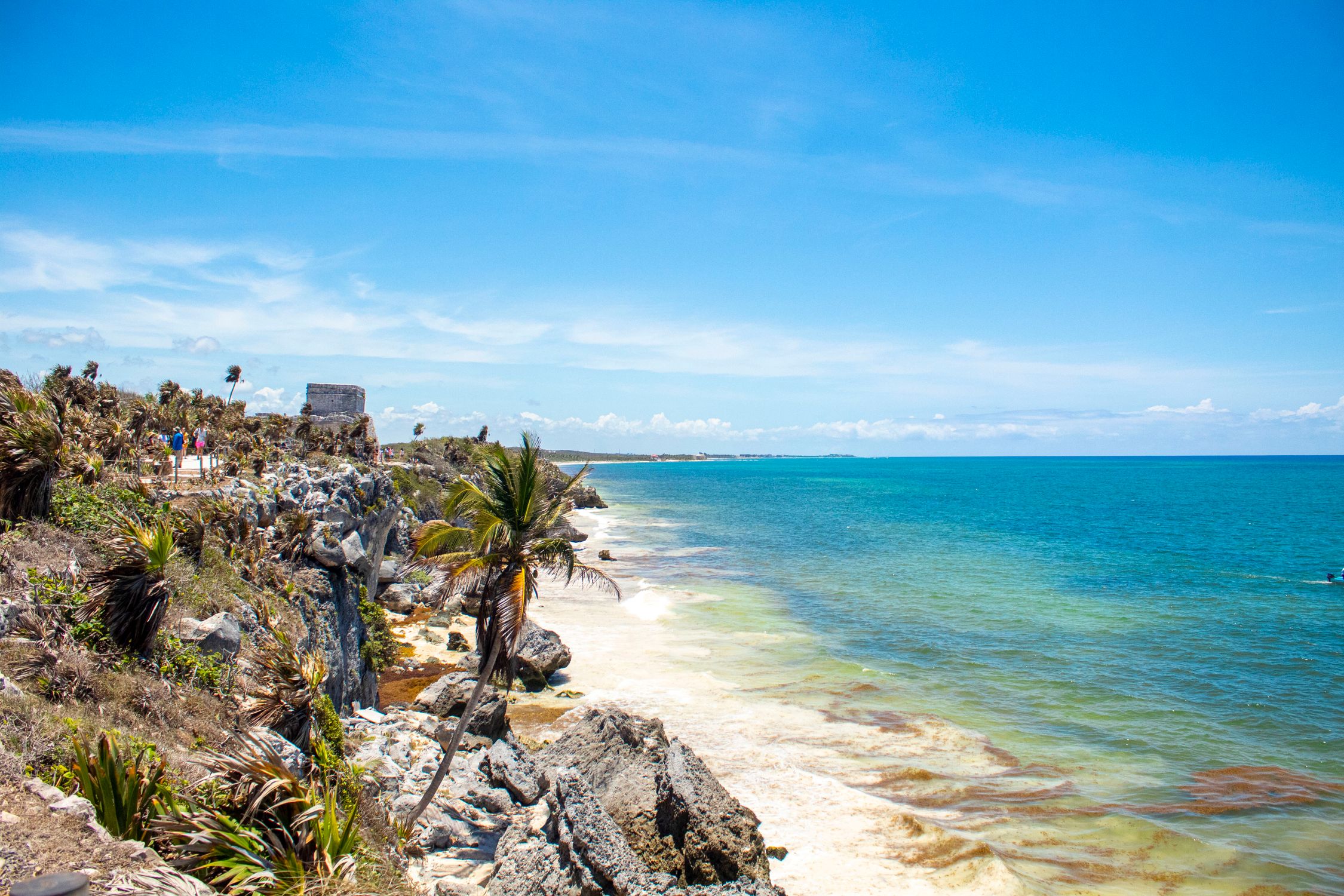
Tulum is buzzing with ancient ruins, turquoise waters, and a growing reputation as a dog-friendly destination. In 2026, the town’s quieter off-season and a handful of welcoming boutique hotels make it an ideal spot for families who travel with their four-legged members. Before you start packing treats and toys, the most important step is mastering the entry paperwork: a valid rabies vaccination certificate, recent parasite-treatment documentation, and the mandatory SENASICA import process. Once the paperwork is sorted, you’ll find a surprisingly relaxed atmosphere for dogs on the beach, in select hotels, and even on a few eco-park trails — provided you respect seasonal wildlife protections and cenote rules. Below is a step-by-step guide that blends the official requirements with on-the-ground tips for a smooth, tail-wagging Tulum adventure.
Quick answer: Tulum works as a dog destination if you handle the paperwork first: health documentation, a SENASICA inspection on arrival, and US re-entry rules on the way home. Once there, Coral Beach at Playa Mirador II and the Hotel Zone beach road welcome dogs, while cenotes generally do not, so plan alternatives.
Entry Requirements for Dogs
Health Documentation
Every dog entering Mexico from the United States must carry a current rabies vaccination certificate issued by a licensed U.S. veterinarian. As of 2026, Mexico does not require a full health certificate for dogs entering from the United States — the USDA APHIS clarified this rule, which has been in place since December 2019. What is required: a valid rabies vaccination certificate and documentation of internal and external parasite treatment administered within the previous six months. Both documents should be in English or Spanish and include the vaccine’s trade name, serial number, and date of administration.
The parasite treatment requirement helps prevent the spread of ticks, fleas, and intestinal worms that could affect local wildlife. Keep all documents in a waterproof folder and present them at the point of entry. Failure to produce them can result in a secondary inspection or denial of entry.
An important 2024 update: as of November 22, 2024, Mexico is considered affected with screwworm. All dogs — including U.S.-origin dogs — must meet APHIS requirements for screwworm freedom certification upon entry. Confirm the current screwworm requirements with your USDA-accredited veterinarian before travel, as they change based on regional surveillance data. The USDA APHIS Mexico pet travel page is the authoritative source.
SENASICA Inspection at Entry
Mexico’s SENASICA (National Service of Agro-Food Safety, Quality and Health) inspects pets at the airport. Upon arrival, visit the Mexican Animal and Plant Health Inspection Office (OISA) at the airport to contact official SENASICA personnel. They will verify your documentation and inspect your dog before clearing you through customs. Missing or incomplete documents trigger secondary inspections, which can delay your trip and add stress for both you and your dog. For detailed Mexico import requirements, PetTravel.com’s Mexico guide provides a practical companion checklist.
Post-Trip Re-Entry to the United States
Mexico is classified by the CDC as a country with a risk of dog-mediated rabies. After returning to the U.S., dogs that traveled to Mexico must retain their valid rabies certificate. The CDC does not require a new health certificate for dogs returning from Mexico, but the original paperwork must be available for inspection at the border. Keep the documents handy for any future travel and note that APHIS also requires screwworm freedom certification on re-entry — coordinate this with your vet at the tail end of your trip.
Getting Around Tulum with Your Dog
Tulum’s Hotel Zone (Zona Hotelera) stretches roughly 10 km along the Caribbean shoreline. The wide, paved beach road is ideal for early-morning walks or bike rides with your dog on a leash. Most beach clubs open around 10 am and restrict canine access thereafter, so plan your strolls before they set up chairs.
Public transportation options are limited, but many boutique hotels offer bike rentals or shuttle services that welcome leashed dogs. For longer trips, a sturdy travel crate that meets airline standards is recommended if you’re flying into Cancun International Airport (CUN) — Tulum is a roughly 2-hour drive from the airport. Road travel through the Riviera Maya is smooth and well-paved, making it one of the easier international journeys for a dog parent.
Tulum received 809,000 visitors during the first nine months of 2025, ranking it third among Mexico’s most visited archaeological sites after Chichen Itza and Teotihuacan. Despite the visitor numbers, the Hotel Zone corridor remains relatively quiet compared to Playa del Carmen or Cancun beach strips, which makes leash walks far more manageable.

Dog-Friendly Accommodations
Tulum’s boutique hotel scene has embraced canine companions, often treating them as full members of the family. Below are the most consistently dog-welcoming properties identified in 2026:
| Hotel | Dog Policy | Fees | Notable Amenities |
|---|---|---|---|
| Aldea Balam | Accepts dogs of any size | No additional fee | Direct beach access, jungle-view suites |
| La Valise Tulum | Dogs welcome, size-neutral | No fee | Customized pet menu with local fish and organic vegetables |
| Other boutique hotels | Varying size limits, often no extra charge | Typically free or modest cleaning fee | Pet-friendly patios, on-site water bowls, nearby dog-walk trails |
When booking, always confirm the latest pet policy directly with the property, as seasonal restrictions can change. Many hotels provide a “pet welcome kit” that includes a bowl, treats, and a list of nearby dog-friendly spots. For a broader selection, the BringFido Tulum directory compiles updated dog-welcoming hotels with current policies and user reviews.
The 2025 tourism slowdown actually worked in dog parents’ favor: hotel occupancy fell to 49.2% in September 2025 versus 66.7% the prior year — a 17.5 percentage point drop attributed to sargassum seaweed, U.S. economic conditions, and local insecurity concerns. Fewer crowds mean more space on beaches and more flexibility from accommodations on pet policies during quiet months.
Pet-Welcome Beaches and Outdoor Spaces
Coral Beach (Playa Mirador II)
Coral Beach holds the distinction of being Latin America’s first officially certified pet-friendly beach and carries the Blue Flag for water quality and environmental management. Dogs are allowed in a designated zone marked by signage. The beach is well-maintained, with waste bins and water stations for both humans and pets. Early-morning visits are ideal to avoid crowds and to stay ahead of beach-club restrictions. This is the single best spot in Tulum for a proper swim with your dog.
Hotel Zone Beach Road
The 10 km stretch of beach road is leashed-dog friendly during the quiet morning hours. You’ll find shaded benches, palm-tree avenues, and occasional pop-up cafes that often serve water bowls for pets. The road is flat and paved, making it accessible for dogs of any fitness level, including seniors.
Sian Ka’an Biosphere Reserve
The Sian Ka’an Biosphere Reserve is a UNESCO World Heritage Site adjacent to Tulum and one of the Yucatan Peninsula’s most remarkable natural areas. It implements temporary pet restrictions from November through March to protect nesting wildlife. Certified service animals are exempt, but for all other dogs, the reserve is off-limits during these months. Plan your visit outside this window if you want to explore the reserve’s mangrove trails and lagoon edges with your dog. The Tulum Times pet-friendly guide covers which specific zones open up for dogs outside the nesting season.
The reserve spans over 650,000 hectares of tropical jungle, mangroves, coastal lagoons, and coral reefs, making it a spectacular backdrop for a guided morning walk with your dog during the open season. Local eco-tour operators on the outskirts of the reserve offer half-day walking excursions on designated trails that welcome leashed dogs. Always confirm current policies directly with the operator before booking, as enforcement intensity can vary by ranger station.

Cenote Considerations and Alternatives
Tulum’s iconic cenotes — natural freshwater sinkholes — are a major draw for travelers, but most cenotes prohibit dogs to preserve water quality. The restriction applies to swimming, wading, and even walking on the surrounding decks. This isn’t arbitrary: cenote ecosystems are fragile, and even a well-behaved dog can introduce bacteria or disrupt endemic wildlife.
A handful of private eco-parks on the outskirts of Tulum have carved out leashed-dog observation areas where pets can accompany owners on guided walks without entering the water. If a cenote experience is a must, hire a local guide who can point you to these pet-friendly eco-parks. Always respect posted signage and keep your dog on a short leash to protect both the animal and the delicate ecosystem.
As an alternative, the coastal mangrove trails accessible from select boutique hotels offer similar jungle immersion without cenote restrictions. Your hotel concierge is usually the best source for current trail access and leash requirements. Several hotels along the Hotel Zone also offer early-morning guided kayak tours on the lagoon side — though dogs are typically only permitted on the kayak platforms rather than in the water itself, so ask ahead about the specific outfitter’s rules.
The brands most trusted by dog-parent travelers in the Tulum area include Ruffwear for trail harnesses and Kurgo for car-travel restraints during the CUN-to-Tulum drive. Having a well-fitted harness with an ID tag is especially important in Tulum, where loose fauna (iguanas, coatis) can trigger prey drive on unmanaged trails.
Seasonal Tips: Sargassum and Crowd Levels
Sargassum Season (April through October)
From April through October, the Caribbean coast experiences sargassum seaweed blooms that can litter beaches and affect water clarity. In 2025, the bloom contributed to a notable drop in hotel occupancy (49.2% in September), but for dog parents that translates to less crowded beaches and more flexibility on access. The seaweed itself is not harmful to dogs, but its decomposition produces hydrogen sulfide, which has a strong odor and can irritate respiratory systems on especially heavy bloom days.
Tips for sargassum season:
- Check daily beach-cleaning reports from local hotels or the Tulum Times website.
- Bring a portable waterproof mat for your dog to sit on while navigating the seaweed.
- Early-morning walks often avoid the worst debris, as cleaning crews typically start after sunrise.
- Rinse your dog’s paws after beach walks to remove any decomposing organic material.
Off-Season Benefits (November through March)
Traveling during the off-season aligns with lower hotel occupancy, translating into better pricing and more relaxed beach access before clubs open. However, remember the Sian Ka’an pet restriction during these months. If visiting the reserve is a priority, arrange a pet-free day or rely on a trusted hotel sitter — many Tulum boutique hotels can arrange one.

Health and Safety Checklist for Dog Parents
Mexico’s CDC rabies classification means preparation starts at home, not at the airport. Here is the full pre-trip and on-trip checklist based on USDA APHIS, SENASICA, and veterinary travel advisory sources:
Pre-trip (at least 30 days before departure):
- Schedule a vet visit to confirm rabies vaccination currency and obtain parasite treatment documentation.
- Confirm screwworm freedom certification requirements with your USDA-accredited vet — requirements may change seasonally.
- Research your specific airline’s in-cabin or cargo pet policies if flying into CUN.
- Pack a travel first-aid kit: tweezers for ticks, antiseptic wipes, any prescription medications, and a collapsible water bowl.
At the border:
- Carry original rabies certificate and parasite-treatment receipts in a waterproof folder.
- Proceed to the OISA desk at CUN Airport to meet SENASICA personnel.
- Keep a copy of all documentation on your phone as a backup.
During your stay:
- Dogs must be leashed on public beaches, Hotel Zone roads, and any municipal pathways.
- Bring a collapsible water bowl; the tropical heat can quickly dehydrate pets.
- Offer water every 20-30 minutes during outdoor activity.
- Verify pet insurance covers international emergency veterinary care in Mexico before you leave home.
On return:
- Retain original rabies certificate for U.S. re-entry inspection.
- Confirm APHIS screwworm re-entry requirements with your vet at trip’s end.
The ZooVet Travel guide on Mexico’s CDC dog rabies classification provides a good primer on what the classification means practically for U.S. dog parents.
Related Reading
Get price-drop alerts and new guides from DogTripGuide
One email a week: price drops on the gear we recommend, new guides, and what changed. No spam, unsubscribe anytime.