Best Dog-Friendly Ski Towns for 2026: Town-by-Town Guide
The 7 best dog-friendly ski towns for the 2026 winter season — a town-by-town ranking covering leash laws, vetted hotels, cross-border rules and paw safety.

This post may contain affiliate links. Disclosure
This is a 2026-season, town-by-town ranking — not a general gear-and-safety overview. The mountains themselves are almost never dog-friendly: ski lifts, gondolas and groomed pistes are off-limits at every major North American resort. What matters is the base town. This guide ranks the seven best dog-friendly ski towns for the 2025-26 winter season with the specific municipal leash-law citations, the vetted pet-policy hotel list, and the one cross-border pick (Whistler) that competes with the US options — so you can tell at a glance which town fits your dog, your budget and your travel paperwork before you load the car.
Quick answer: Ski lifts, gondolas, and groomed pistes are off-limits to dogs at every major North American resort, so what matters is the base town. The seven best for the 2026 season are Telluride, Park City, Steamboat Springs, Whitefish, Stowe, Aspen and Snowmass, and Whistler in British Columbia.
What “Dog-Friendly” Means at a Ski Resort
Before we get to the rankings, a reality check. No major North American ski resort allows dogs on lifts, on the groomed downhill terrain or inside lodge buildings during operating hours. Whitefish Mountain Resort spells this out plainly: in winter, dogs must be leashed and cannot leave the parking lot, and they are not permitted with uphill skinning traffic. Whistler Blackcomb prohibits dogs entirely on the alpine trails of Whistler and Blackcomb mountains. This is industry-standard.
What you are actually buying when you book a dog-friendly ski town is three things: (1) a hotel that welcomes pets without absurd fees, (2) a winter trail system — usually Nordic, snowshoe or valley path — where leashed dogs are permitted, and (3) an apres-ski culture that lets your dog sit on heated patios while you eat. Get those three and you have a great trip.
Cold-weather safety comes first. The American Veterinary Medical Association is direct: no pet should be outside for long periods in below-freezing weather, and frostbite can develop in under five minutes on exposed extremities. Plan around that.
1. Telluride, Colorado
Telluride genuinely earns its reputation. The town claims more dogs than people, and the infrastructure backs it up. Dogs ride for free on the Galloping Goose town bus and on the complimentary gondola between Telluride and Mountain Village — a rare exception to the no-lift rule, because this gondola operates as public transit, not a ski lift.
Leash law: Dogs must be leashed on Main Street (Colorado Avenue), at crossings, in Town Park and throughout Mountain Village. On any other hiking trail, dogs may be off-leash if under strict voice control.
Winter trails: The Valley Floor — a 570-acre conservation easement at the west end of town — is the local move. It is groomed for snowshoeing and Nordic skiing, leashed dogs welcome. Mountain Village maintains roughly 8 miles of dog-friendly Nordic trails.
Where to stay: The Hotel Telluride accepts two dogs of any size for $25 per pet per night and hands out a welcome package at check-in. Mountain Lodge Telluride offers ski-in/ski-out access with a $50/night pet fee capped at $150 per week. Use BringFido to filter further on size and breed.
2. Park City, Utah (“Bark City”)
The nickname is not a marketing invention — locals use it. Park City has built genuinely good off-leash infrastructure inside a ski-resort town, which is rare.
Leash law: Standard 6-foot leash within town limits, with one notable variance: Park City allows an e-collar in lieu of a physical leash, provided the handler maintains sight and voice control and is carrying a leash on their person.
Off-leash gold: Run-A-Muk is a 40-acre off-leash area near the Utah Olympic Park, accessed by a dog-friendly approach trail. Willow Creek Dog Park is a fenced facility with agility equipment. Round Valley — 1,400 acres with 30 miles of trail — permits voice-control off-leash across most of its terrain.
Where to stay: The Waldorf Astoria Park City sits at the base of the Canyons side of Park City Mountain and offers dog beds, bowls and specialty treats. Hyatt Place Park City allows two dogs up to 75 pounds combined, with a complimentary bone in the mini-fridge at check-in. Montage Deer Valley charges a flat $100 pet fee that includes a bed, stainless bowls and organic treats — worth it for a multi-night stay.
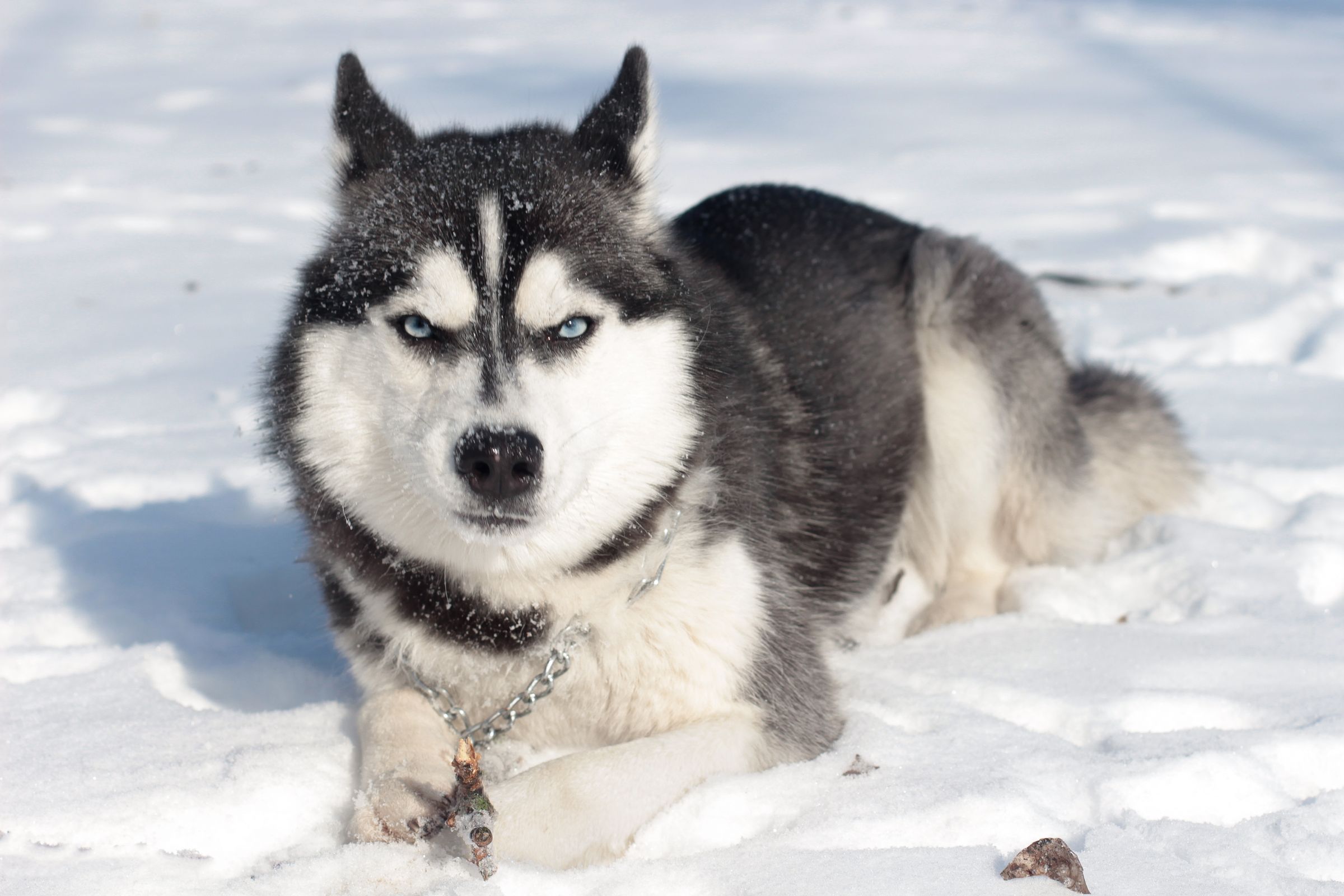
Photo by Pixabay on Pexels
3. Steamboat Springs, Colorado
Steamboat is the working-cowboy of dog-friendly ski towns: less luxe than Aspen, more honest. The Yampa River runs straight through downtown, and the trail system is built around it.
Leash law: Leashes required within city limits. Critically for winter visitors: some seasonal off-leash areas flip to leash-required from November 1 to April 30 — confirm at the city’s official off-leash page before you go. Rita Valentine Park and Spring Creek Park at the Lower Pond are the two year-round off-leash dog parks inside city limits.
Winter trails: The Yampa River Core Trail is a paved 7-mile valley-floor path that stays plowed and runs end-to-end through town — ideal for a leashed dog in winter when alpine trails like Fish Creek Falls are snowed in. Fish Creek Falls itself is ADA-paved at the upper lot for short outings.
Where to stay: The Rabbit Ears Motel — a vintage neon-sign property downtown — welcomes two dogs of any size for $25 per pet per night. Nordic Lodge sits within walking distance of dog-friendly restaurants. For longer stays, vacation rentals through local pet-policy-aware managers often beat hotel pricing.
4. Whitefish, Montana
Whitefish has flown under the radar for years, which is part of what makes it good. The resort is honest about its rules — and the surrounding trail system more than compensates.
Leash law: Pets must be leashed on a maximum 6-foot lead per Flathead National Forest regulation. Dogs are restricted to the parking lot at Whitefish Mountain Resort itself in winter and explicitly banned from uphill (skinning) traffic on the resort.
Winter trails: The Whitefish Trail is a 42-mile multi-use system connecting trailheads around town — sections of it stay accessible for snowshoeing with leashed dogs all winter. Glacier National Park is 30 minutes away but is one of the most restrictive parks in the system for pets, so plan trails outside its boundary.
Where to stay: North Forty Resort north of downtown is purpose-built for dogs, with cabin-style lodging and fenced runs. Properties listed on BringFido for Whitefish include several boutique downtown options with reasonable pet fees.
5. Stowe, Vermont
Stowe is the East Coast answer, and it punches above its weight thanks to one specific property and a Nordic trail system that connects directly to it.
Leash law: Standard leash requirement in town and on most trails.
Where to stay (this is the whole reason to pick Stowe): Topnotch Resort limits dog rooms to its first floor (three dogs maximum per room) and offers direct access to the Catamount Trail system from the property — which is one of the few places in this article where you can legitimately step from your hotel room onto a winter trail with your dog. The Roost, Topnotch’s bar, allows dogs on the courtyard patio. CBD treats and a doggie tea time are part of the program.
Winter context: Smugglers’ Notch Road closes to vehicles from the first snow through full spring thaw, becoming a quiet snowshoe corridor. Leashed dogs welcome.
6. Aspen / Snowmass, Colorado
Aspen and Snowmass are the luxury end of this list — the hotels are spectacular, and several have gone all-in on dog programs. The trade-off is price.
Where to stay: The Little Nell has a dedicated dog menu in-room. The Viceroy Snowmass offers treat room service. The Ritz-Carlton at Bachelor Gulch nearby runs a top-sirloin dog menu through room service. None of this is cheap.
Winter trails: The Rio Grande Trail is a paved valley-floor path from Aspen toward Woody Creek that stays plowed in most winters. Snowshoeing on Forest Service land surrounding the valley is open to leashed dogs under standard USDA Forest Service pet rules.
Reality check: Aspen pet fees at the high-end properties can rival or exceed your nightly room rate at a normal hotel. Budget accordingly or stay in Snowmass Village instead.
7. Whistler, British Columbia
Whistler is the cross-border pick and the only Canadian entry that really competes — but the rules are tighter than the US options, so know them.
Leash law: Dogs must be on-leash at all times in Whistler Village and across the wider Resort Municipality of Whistler, except in designated off-leash areas.
Where dogs cannot go: Whistler and Blackcomb mountains themselves are entirely off-limits, as are the Rainbow alpine trails, the Skywalk Trail and all provincial parks.
Where dogs can go: Whistler Olympic Park maintains 12 km of dedicated dog-friendly Nordic and snowshoe trails plus the largest off-leash area in the Sea to Sky Corridor. The Valley Trail through town allows off-leash on certain groomed multi-use sections in winter. Lost Lake Park’s “Canine Cove” is a designated off-leash area.
Cross-border note: Bringing a US dog into Canada requires a rabies certificate (in English or French) issued by a licensed vet — see the USDA APHIS pet travel hub for current country-by-country requirements before you cross.
Winter Gear: Non-Negotiables
This is where most ski-trip-with-dog plans go sideways. The town can be perfect and the trip still fails because the dog’s feet got salted, sliced or frozen on day one. Three categories of gear matter.
Booties. Ruffwear Grip Trex booties have rubber Vibram-style soles and a stretch-fit upper — they grip on packed snow and protect against road salt. Measure your dog’s paw at full weight (toes spread) and size up by one if between sizes. Alternatives: Muttluks Fleece-Lined Boots for colder, drier conditions. Practice at home for at least three sessions before the trip — most dogs hate booties on day one and walk normally by day four.
Paw balm. If your dog refuses booties (many do), Musher’s Secret is the industry default. Apply before walks; it forms a wax barrier against salt and ice without trapping moisture. Wipe paws on return regardless — University of Wisconsin School of Veterinary Medicine emphasizes that ingested deicer salt causes gastrointestinal upset and mouth irritation when dogs lick their paws after walks.
Insulated jacket. Short-coated breeds (Pit mixes, Vizslas, Greyhounds, Whippets, Boxers, Frenchies, French Bulldogs) cannot self-regulate below roughly 35°F and need a fitted insulated coat. Hurtta Extreme Warmer and Ruffwear Powder Hound are both reliable. Size by chest girth, not by weight. Double-coated breeds (Huskies, Malamutes, Bernese, Great Pyrenees, Newfoundlands) generally do not need a jacket and can overheat in one — observe behavior first.
For a deeper gear breakdown including tested booty fit and traction data, see our dog hiking boots and paw protection guide.

Photo by Elina Volkova on Pexels
Cold-Weather Safety Rules That Actually Matter
Five rules, in priority order. None are optional.
- Frostbite watch on ears, tail tip and paw pads. These are the first tissues to freeze. Check every 20-30 minutes in sub-20°F conditions. Pale, hard or unusually cold tissue is the warning sign — bring the dog inside and warm slowly with body heat or lukewarm (not hot) water.
- Time outside is short below 20°F. The AVMA’s guidance is plain: no extended outdoor time below freezing. For most non-Arctic breeds, 20-30 minutes is the cap; for short-coated breeds, 10-15 minutes.
- Antifreeze is fatal. Ethylene glycol antifreeze tastes sweet and a teaspoon can kill a medium dog. Parking lots at ski resorts have it. If your dog licks a puddle, go to an emergency vet immediately — do not wait for symptoms.
- Hydrate. Cold air is dry. Dogs do not feel thirsty in cold weather the way they do in heat. Offer water every 60-90 minutes; carry a collapsible bowl.
- No ice on lakes or rivers. Steamboat’s Yampa, Whitefish’s lake, Aspen’s reservoir — all look solid in January. They are not always. Keep dogs leashed within 20 feet of any frozen water.
Booking Tips for the 2026 Season
- Book lodging before lift tickets. Dog-friendly room inventory at the better hotels (Topnotch, Hotel Telluride, North Forty) is genuinely limited and sells out 60-90 days ahead of holiday weeks.
- Read pet fee fine print. Some hotels charge per pet per night; others a one-time fee; a few a refundable deposit. The difference on a 5-night trip with two dogs can be $400+.
- Filter by pet policy on Booking.com and BringFido — both have legitimate pet-aware filters as opposed to general “pet-friendly” tags that include $200/night surprise fees.
- Confirm winter leash law dates. Several towns (notably Steamboat) shift off-leash zones to leash-required during the November-April winter season. Call the town clerk if anything is ambiguous.
- Cross-state paperwork. Driving between states with a dog generally does not require a health certificate, but flying does — see the USDA APHIS pet travel hub for current rules. Crossing into Canada requires a rabies certificate.
A well-planned ski trip with a dog can be one of the better trips of the year — the dog gets snow, you get the mountain, and the apres-ski patio with a leash at your boot is genuinely good. Pick a town with the right infrastructure, get the booties and balm dialed in two weeks before you leave, and treat the cold-weather rules as the actual constraints they are.
Related Reading
Get price-drop alerts and new guides from DogTripGuide
One email a week: price drops on the gear we recommend, new guides, and what changed. No spam, unsubscribe anytime.